Health Benefits of Mulberry
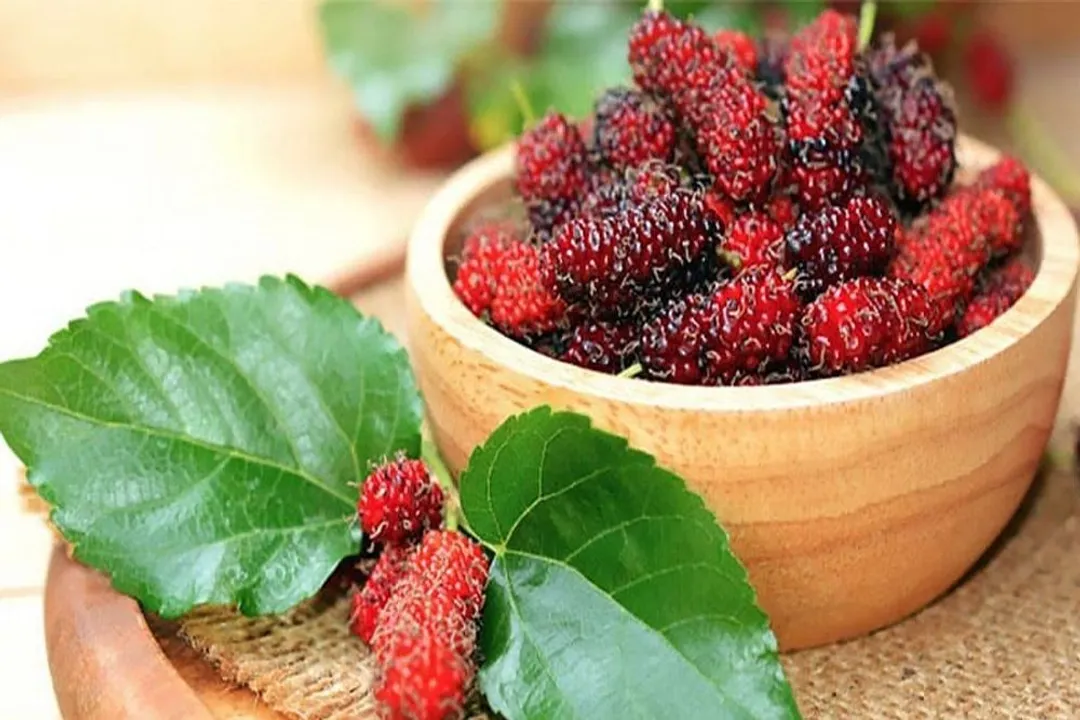
The humble mulberry, a fruit often overlooked in favor of more common berries, carries a surprisingly rich legacy of health support spanning centuries of traditional use and growing recognition in modern nutritional science. Whether consumed fresh, dried, or brewed as a tea from its leaves, this fruit of the Morus tree offers a spectrum of compounds beneficial to human wellness, from bolstering iron stores to actively supporting metabolic balance. [1][2][7] It is important to differentiate between the intensely sweet, dark berries, which are eaten for their vitamins and antioxidants, and the leaves, which are more often highlighted for their specific regulatory effects on blood sugar and inflammation. [3] Understanding both aspects reveals why this particular fruit warrants a closer look in any discussion about functional foods.
# Nutrient Profile
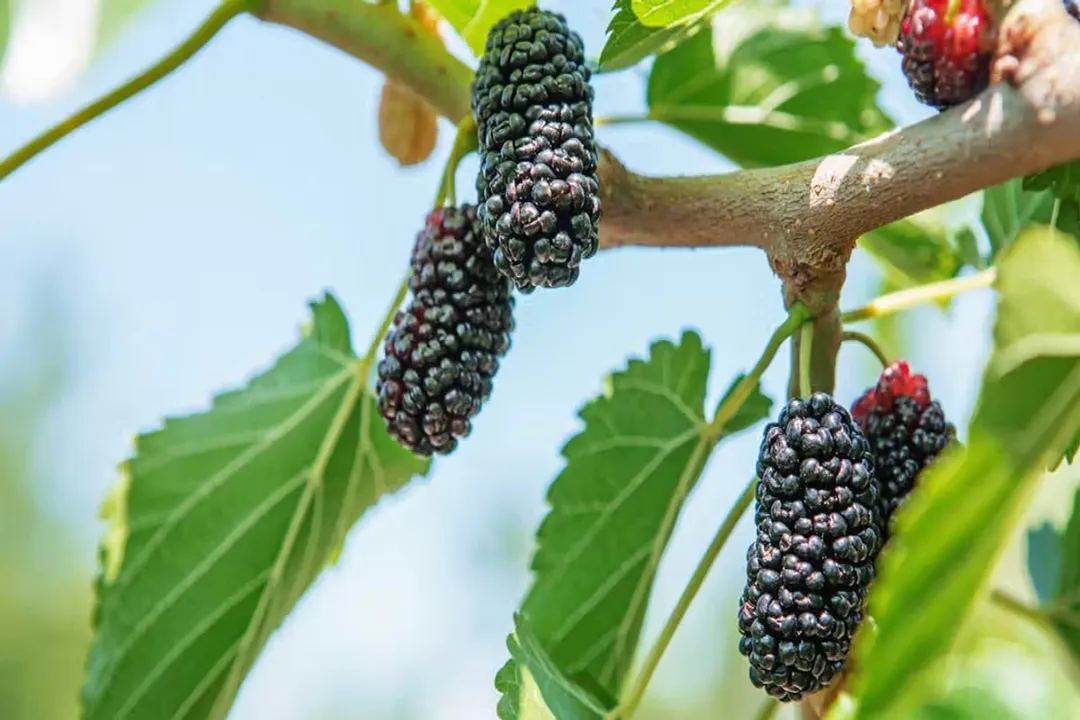
Mulberries are not just low in calories; they pack a significant punch regarding essential micronutrients, making them a dense addition to the diet. [1][5] For those tracking specific intake, their mineral and vitamin composition stands out. They are a notable source of iron, which is vital for oxygen transport in the blood, a benefit mentioned consistently across various sources detailing the fruit's makeup. [1][2][7] Alongside this, mulberries provide a good measure of Vitamin C, an antioxidant essential for immune function and collagen synthesis. [1][2]
Furthermore, the fruit contains Vitamin K, an important factor in blood clotting and bone health. [1][2] When comparing the nutrient density of a typical serving, it becomes clear why they are valued. For instance, a small serving offers a meaningful percentage of the daily recommended intake for several key vitamins and minerals, often exceeding what one might expect from such a small fruit. [5] It is worth noting that the nutritional profile can shift slightly depending on whether the berries are fresh or dried; drying concentrates the sugars but also the minerals, requiring mindful portion control. [1]
If you consider a standard one-cup serving of fresh mulberries, you are getting significant input for a relatively small caloric cost. For example, while total fat is minimal, the fiber content is relatively high, aiding digestive regularity. [1][5] This combination of high micronutrients and respectable fiber makes them an excellent choice for snacking, particularly when compared to processed sweets that offer calories without the co-factors of vitamins and minerals. [7]
# Antioxidant Capacity
The most frequently cited benefit of mulberries, both the fruit and extracts from the leaves, revolves around their antioxidant properties. [2][4][5] Antioxidants are the body's defense mechanism against oxidative stress, which is linked to aging and various chronic diseases. [1] Mulberries contain several potent antioxidant compounds, including anthocyanins, the pigments responsible for the deep purple or black color of some varieties. [1][2]
These anthocyanins are known to contribute to the berry's ability to combat free radicals. [1] Beyond these pigments, the fruit also houses other beneficial polyphenols, such as resveratrol and chlorogenic acid. [2] While resveratrol often gets attention for its presence in grapes and red wine, its presence in mulberries confirms their broad phytochemical similarity to other recognized "superfoods". [2] Scientific analysis often measures this power using metrics like the Oxygen Radical Absorbance Capacity (ORAC) score, which generally places mulberry extracts high on the scale for antioxidant capability. [4]
When looking at the sheer variety of active compounds, it’s fascinating to see how different parts of the plant contribute. While the fruit provides a rich profile of water-soluble antioxidants like Vitamin C and anthocyanins, research on leaf extracts points to slightly different, but equally important, mechanisms of action related to anti-inflammatory responses. [3][4] This suggests that incorporating both fruit and, where appropriate, leaf extracts (like tea) can offer a wider net of protective compounds than focusing on just one element. [3]

# Metabolic Balance
One area where mulberries show consistent promise is in supporting blood sugar management. [1][2][5] Several components within the berry appear to influence glucose metabolism. For example, certain compounds present in mulberries are thought to inhibit the breakdown of complex carbohydrates into simple sugars, thereby slowing down glucose absorption into the bloodstream after a meal. [5] This mechanism is particularly interesting for those looking to maintain stable energy levels throughout the day or manage insulin sensitivity. [2]
Studies have suggested that extracts derived from mulberries can help reduce post-meal spikes in blood sugar. [5] This effect is often compared to the action of acarbose, a medication used to treat Type 2 diabetes, though mulberry consumption should never replace prescribed medical treatment. [5] The fiber content also plays a secondary role here, as fiber generally contributes to slower digestion and more gradual sugar release. [1]
Similarly, the berries have been investigated for their positive impact on cholesterol levels. [2][5] Evidence suggests that regular consumption may help lower levels of LDL, or "bad" cholesterol, while potentially increasing HDL, the "good" cholesterol. [5] Maintaining healthy lipid profiles is fundamentally tied to long-term cardiovascular health, making this dual action—managing both blood sugar and fats—a key benefit of regular intake. [2][7]
# Heart Support
The combined influence of antioxidants, fiber, and positive effects on lipids directly contributes to the berries' reputation as a heart-healthy food. [7] By helping to keep blood vessels flexible and reducing the build-up of oxidized LDL cholesterol, mulberries assist the circulatory system. [2]
The presence of specific flavonoids and other phytochemicals is believed to help maintain proper blood pressure regulation, although the mechanisms are complex and vary depending on the specific compound studied. [7] For readers accustomed to thinking of heart health solely in terms of omega-3s or potassium, understanding that plant compounds can modulate inflammatory markers and oxidative stress in the vascular system offers a more complete picture of dietary defense. [4] A diet rich in these types of fruits, which help keep the internal environment less inflammatory, is fundamentally protective against cardiovascular strain over time. [1][5]
# Leaf Uses
While the fruit gets most of the culinary spotlight, the mulberry leaf holds significant traditional and emerging scientific interest, primarily used in infusions or teas. [3] The chemical composition of the leaf differs from the fruit, leading to unique applications. Traditionally, mulberry leaf preparations have been used to address issues related to allergies and as a mild anti-inflammatory agent. [3]
One of the most compelling uses for the leaf extract relates back to metabolic health: regulating blood glucose. [3] This is often due to specific compounds like 1-deoxynojirimycin (DNJ), which have been studied for their role in carbohydrate digestion, echoing the fruit's reported benefit but potentially through a more concentrated mechanism when using leaf preparations. [3]
If you are considering incorporating mulberry into your daily routine for general wellness, a simple comparative analysis can guide your choice. Are you seeking a sweet, nutrient-dense snack rich in iron and Vitamin C? Opt for the fruit. [1][2] Are you looking for a caffeine-free beverage specifically aimed at supporting stable blood sugar levels alongside a balanced diet? A tea made from the leaves may offer a more targeted approach based on historical use and current research into leaf phytochemistry. [3] This distinction in application is key to maximizing the potential of the entire mulberry plant. [4]
# Immune Function
Supporting the body's defenses is another general benefit often associated with eating mulberries. [7] This is largely attributed to the high Vitamin C content, which is a well-known immune system modulator. [1][2] Beyond the single vitamin effect, the collective impact of the various antioxidants—anthocyanins, resveratrol, and others—contributes to overall cellular health, which underpins a responsive immune system. [4][5]
When the body is constantly battling low-grade oxidative stress, the immune resources can become depleted. By supplying a steady stream of neutralizers through foods like mulberries, the system is theoretically better equipped to handle acute challenges. [1] While no single food guarantees immunity, high-antioxidant fruits are foundational components of an immunologically supportive diet. [2]
# Practical Incorporation
Incorporating mulberries into your daily eating habits is quite straightforward, whether you opt for the fresh or dried form. [1] Fresh mulberries, when in season, are best enjoyed immediately, perhaps added to breakfast cereals, yogurt, or blended into smoothies. [1] If you source them dried, they are incredibly convenient for topping salads, mixing into homemade granola bars, or eating out of hand as a substitute for raisins or other dried fruits. [1]
When purchasing dried mulberries, one practical tip is to check the label carefully regarding added sugars. Because they are naturally sweet, some commercial preparations add extra sucrose or syrup, which negates some of the metabolic benefits sought after. [5] Aim for varieties where the only ingredient listed is "mulberries," ensuring you are maximizing the natural fruit sugars rather than processed additions. This vigilance over processing is a small step that makes a big difference in the ultimate health impact of your dried fruit choices. Furthermore, if you have access to local or established growers, try to find out if their fruit was harvested at peak ripeness, as this is when the sugar-to-acid balance and overall nutritional density are highest. [7]
For those interested in the leaf benefits, look for reputable sources selling dried organic mulberry leaves specifically for infusion. The preparation is usually simple: steep a measured amount of dried leaf in hot water for several minutes to create a traditional herbal tea. [3]
# Context and Moderation
While the list of documented and suggested health advantages for mulberries is extensive—touching upon blood sugar, lipids, antioxidants, and key nutrients—it is crucial to maintain perspective. [1][2][5] No single food, even one as beneficial as the mulberry, functions as a magic bullet. The real power lies in consistent inclusion within an otherwise balanced dietary pattern. [7]
For example, while dried mulberries are nutritionally dense, their sugar content is concentrated, meaning portion control is an important consideration for weight management and blood glucose monitoring. [1] They are a beneficial source of natural energy and nutrients, but they should be treated like any other fruit—enjoyed as part of a varied intake alongside vegetables, lean proteins, and healthy fats. [5] The scientific findings, whether related to cholesterol reduction or anti-inflammatory pathways, are generally based on consistent, moderate intake over time, not massive, infrequent consumption. [4] Viewing mulberries as a valuable, nutrient-rich component rather than a sole remedy allows for a more sustainable and effective approach to health through food. [3]
#Videos
Mulberry Leaves Have Health Benefits - YouTube
Related Questions
#Citations
Mulberries 101: Nutrition Facts and Health Benefits - Healthline
Health Benefits of Mulberries - WebMD
Mulberry leaves: Uses and benefits - Vinmec
Effects of Mulberry Fruit (Morus alba L.) Consumption on Health ...
Health benefits of mulberries - Nutrition - Holland & Barrett
Mulberry – Nutritional Value, Health Benefits, and its Applications in ...
Mulberry (Shahtoot): Nutrition, Uses, Health Benefits & Side Effects
Mulberry Leaves Have Health Benefits - YouTube
Functional benefits of mulberry leaf tea or extracts to alleviate ...