Health Benefits of Monstera deliciosa
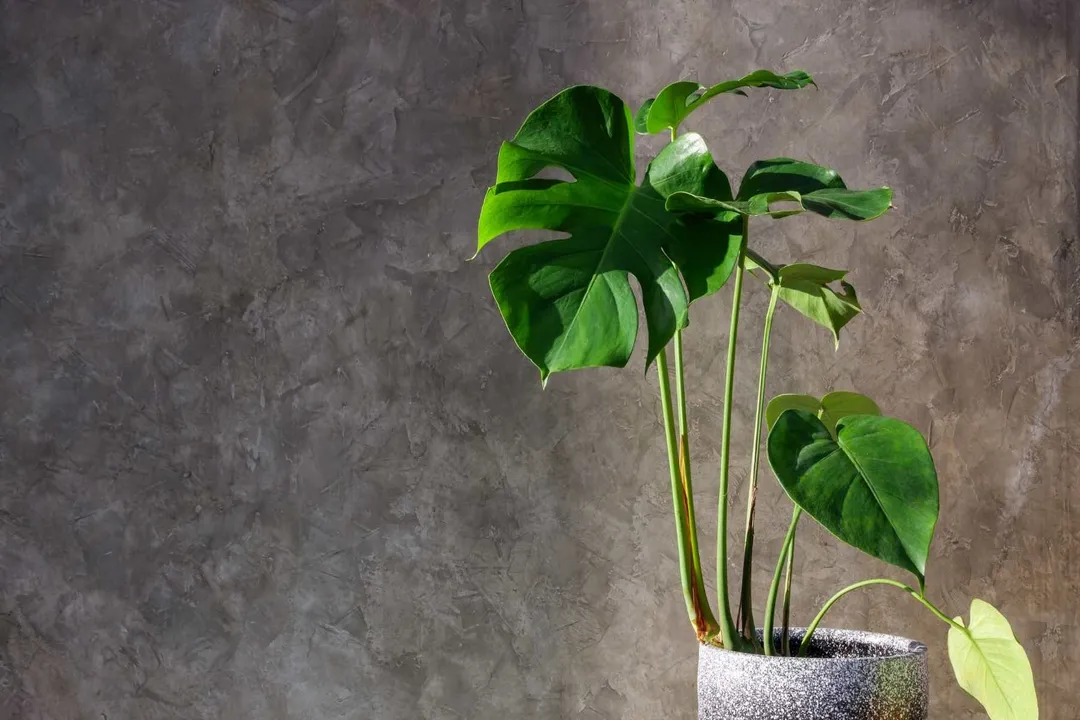
The Monstera deliciosa, often called the Swiss Cheese Plant due to the natural holes and splits (fenestrations) in its mature leaves, has surged in popularity, moving from an exotic rarity to a staple in homes and offices across the world. While its striking, tropical foliage is the primary driver for many acquisitions, this plant, whose name literally translates to "delicious monster," offers a spectrum of benefits that extend into air quality improvement and, surprisingly, has an edible fruit with a unique nutritional profile. For the general reader looking to integrate nature into their living space, understanding these multifaceted advantages is key to appreciating this botanical specimen fully.
# Air Quality

One of the most tangible benefits of hosting a Monstera deliciosa indoors relates directly to the atmosphere it helps create. These plants contribute to purifying the air you breathe through a couple of primary mechanisms.
First, like all photosynthesizing plants, the Monstera absorbs carbon dioxide () and releases oxygen (). What sets the Monstera apart, particularly as a houseplant, is the sheer scale of its presence. Its characteristically large, glossy, and textured leaves offer a substantial surface area, making it an efficient contributor to this gas exchange process in an indoor setting.
Second, those expansive leaves act as natural dust trappers. Debris, which might otherwise settle on furniture or remain suspended as airborne particles, often adheres to the large, waxy surfaces of the Monstera leaves. This means a simple routine of wiping down the foliage allows both the owner and the plant to "breathe easily". Furthermore, the plant aids in boosting ambient moisture through transpiration, releasing water vapor into the environment. This increase in humidity can be a practical benefit, particularly in homes relying heavily on artificial heating or cooling systems that dry out the indoor air, potentially warding off ailments exacerbated by dryness, such as certain skin conditions or respiratory irritation.
It's an interesting dual action: the plant is aesthetically large, contributing to the visual appeal of a space, and that same large size translates directly into greater capacity for environmental improvement, whether managing gas exchange or collecting dust.
# Mood Boost
Beyond the physical aspects of air quality, the presence of large, green foliage like that of the Monstera deliciosa has been linked to positive mental well-being. This connection between nature and our state of mind is widely acknowledged, even if the exact mechanisms remain theoretical or based on evolutionary psychology.
The color green itself is thought to have a direct, positive impact on human perception, encouraging feelings of health and alertness, which can, in turn, support better decision-making and a more vibrant feeling throughout the day. Placing these big green plants in areas where focus is required, such as a living room or an office desk area, may subtly support higher energy and productivity levels.
Moreover, researchers suggest that plant forms that are top-heavy, featuring large, overhanging canopies, can trigger subconscious feelings of safety in humans. This theoretical response may stem from ancestral memory, where such dense, plant-laden landscapes signaled a suitable, safe environment similar to the shelter found beneath trees on the Savannah. Having a thriving, established Monstera in your personal space can thus contribute to a more relaxing and secure home atmosphere. This psychological comfort is a key health benefit derived simply from coexisting with the plant.
# Low Effort
While the benefits are numerous, the plant's reputation is also bolstered by its relative ease of care, which minimizes stress for the caretaker. This accessibility means more people can integrate the benefits of nature without undertaking high-maintenance horticulture.
The Monstera is generally considered quite forgiving. It adapts well to a range of light conditions, thriving in bright, indirect light but also enduring lower-light settings, which makes finding an appropriate spot simpler than for more demanding tropical species. Similarly, their watering needs are not overly demanding; while they prefer consistently moist soil, they can tolerate occasional lapses, partly due to the moisture-conserving nature of their thick leaves.
This resilience to less-than-perfect conditions means the process of tending to the plant can itself be low-stress. It is important, however, to view care as a reciprocal agreement. For instance, lightly misting the plant every five to seven days to mimic its native rainforest humidity is an example of active plant care that directly enhances the humidity benefit for the owner. When performing this action, it is often advised to mist in the morning so the moisture can evaporate during the day, preventing leaves from sitting soggy overnight. A consistent, yet undemanding, care routine ensures the plant remains healthy, offering its aesthetic and atmospheric benefits continuously.
Thinking about integrating this green presence into your daily routine, consider the value-to-effort ratio. A Monstera provides immediate aesthetic and environmental returns (dust trapping, visual appeal) with relatively infrequent major demands (watering perhaps once a week, feeding monthly in warmer seasons). This ease of integration is a practical health benefit in itself, allowing for connection with nature without adding significant time pressure to a busy schedule. Unlike highly sensitive specimens that might cause anxiety if a leaf yellows, the Monstera's durable nature promotes a more relaxed interaction with the indoor garden.
# Edible Wonder

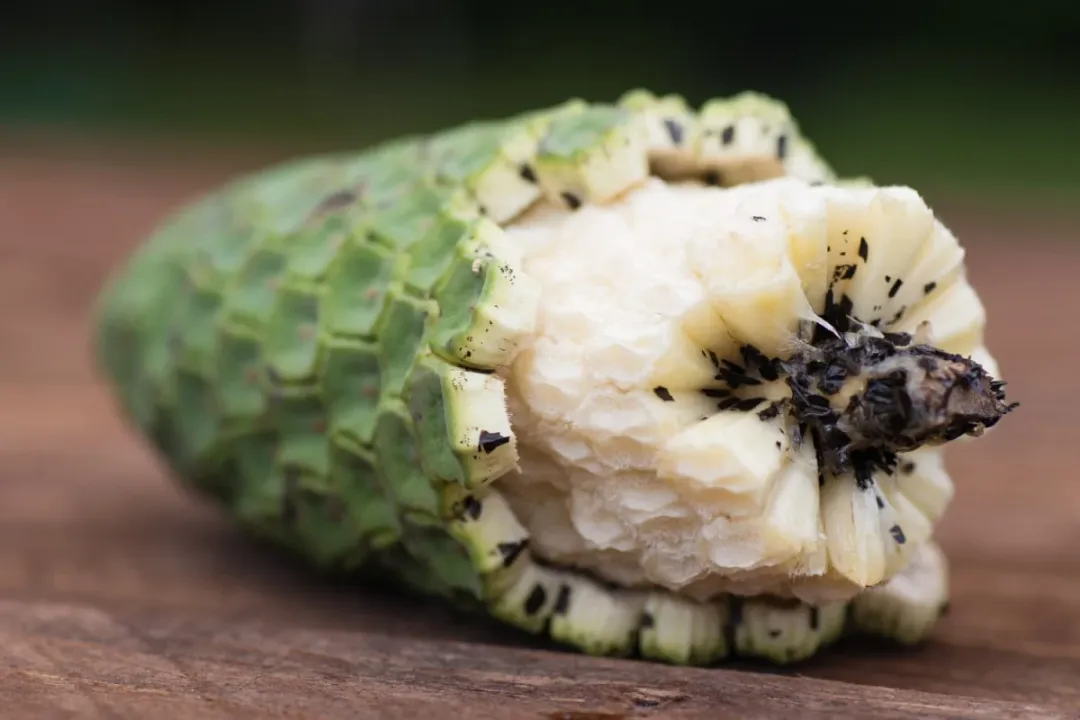
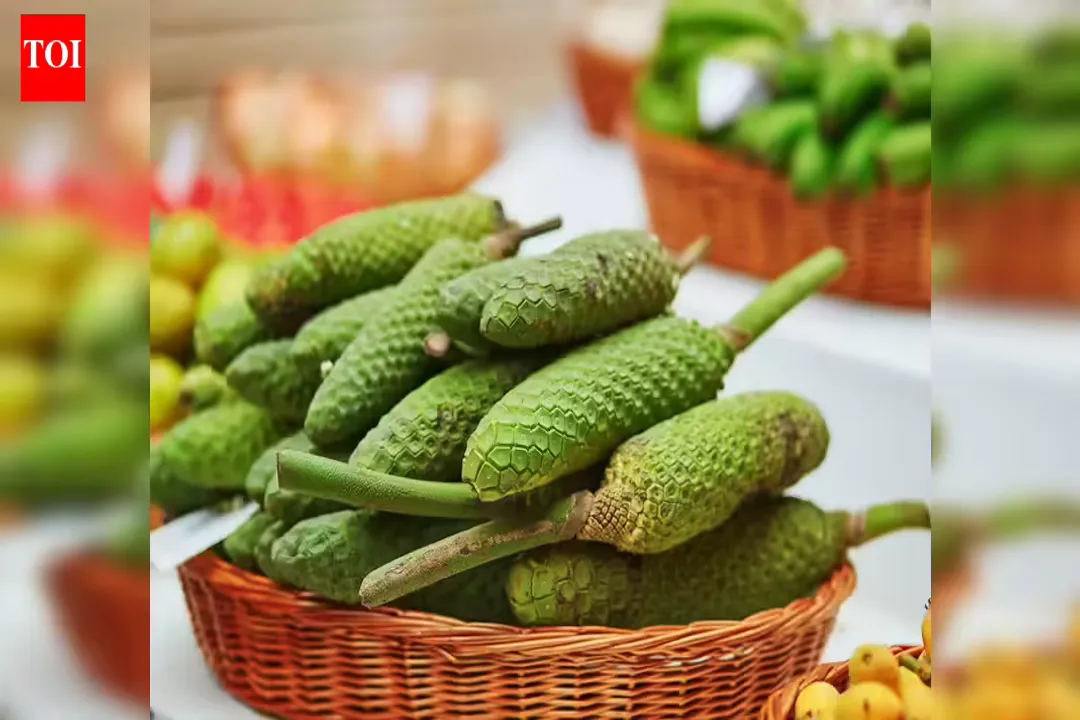
Moving from the aesthetic and atmospheric value of the foliage to the deliciosa aspect of its name, this plant can produce a unique, edible fruit. This fruit is often described as resembling a green ear of corn or an elongated cylinder covered in hexagonal green scales. Native to wet regions of Mexico and Central/South America, it can also be found in places like Australia and the Mediterranean coast of Italy.
When fully ripe, the green scales begin to lift, break open, and fall off, revealing the creamy flesh beneath. The taste profile is what has earned it the viral nickname "fruit salad" plant because the flavor seems to encompass several other tropical fruits simultaneously. Descriptions vary but commonly include combinations of pineapple, mango, and banana. One observer noted the experience as starting sweet, moving through pineapple, then hints of coconut, and finishing with banana, with a texture reminiscent of a ripe banana but with a hard, corn-on-the-cob-like core. Another account suggested a flavor explosion reminiscent of mango, raspberry, strawberry, and even passion fruit. The texture of the edible portion is often noted as soft, custard-like, and creamy, though it might contain some fibrous strands.
# Nutritional Profile
The health advantages of the Monstera deliciosa fruit, when safely consumed, stem from its nutritional composition. Because it is rare in large commercial distribution, it is not always cataloged in standard nutritional databases, but it shares characteristics with other fruits.
The fruit is known to be a good source of several key nutrients:
- Vitamins: It contains Vitamin C, a potent antioxidant that assists the body in fighting free radicals and supports immune function. It also provides Vitamin B6, which is important for brain development and function.
- Minerals: Essential minerals present include calcium and phosphorus, as well as iron (needed for oxygen transport via red blood cells) and potassium (necessary for proper muscle and heart function).
- Macronutrients: The fruit offers good amounts of dietary fiber and carbohydrates while containing no fat.
The presence of antioxidants is a significant factor, as they can help protect the body against oxidative stress and may potentially lower the risk of certain chronic diseases, including some cancers and heart disease. The fiber content directly benefits digestive health by promoting regular bowel movements and preventing constipation. Moreover, fruits generally have high water content, meaning the Monstera fruit contributes to necessary hydration. The combination of vitamins and minerals may even assist in boosting endorphins, potentially helping to treat symptoms of stress and fatigue.
While the foliage offers air purification, the fruit, when ripe, offers internal support through its nutrient density.
# Caution Ripe
The "delicious monster" part of the name carries a serious warning: the fruit is considered dangerous if consumed before it reaches full ripeness. Unripe fruit is loaded with calcium oxalate crystals. These crystals are notorious for causing a sharp, burning sensation in the mouth, tongue, and throat if ingested. Skin irritation on the face or scalp can also occur from contact.
Digestive distress, including nausea, vomiting, and diarrhea, is another potential side effect linked to consuming the unripe fruit due to these same compounds. It is critically important to know that once the fruit is fully mature, the calcium oxalate dissipates, making it safe.
Determining ripeness hinges on visual cues: the fruit must be at least 12 inches long, change color toward yellowish-green or cream, and most importantly, the hexagonal outer scales must naturally lift and flake off. If you pull the scales off yourself before they are ready, that section is still chemically irritating. Some advise placing the fruit in a brown paper bag at room temperature to encourage even ripening once the process begins. Even when ripe, consuming only small amounts at a time is recommended, and the fruit should not be given to household pets like dogs or cats.
For the vast majority of indoor plant enthusiasts, the fruit will likely never materialize. As a houseplant, the Monstera rarely achieves the necessary size or light exposure to flower and subsequently set fruit. Therefore, while the fruit offers a unique set of nutritional benefits, the primary, reliable health advantages remain tied to the plant's role as an ornamental air improver and mood stabilizer.
# Traditional Uses
The utility of the Monstera deliciosa plant extends beyond modern home décor and documented nutrition, showing up in traditional practices across its native range. While the modern focus is on the leaves and fruit, historical applications often involved other parts of the plant.
In parts of Mexico, infusions made from the plant's roots have been used in traditional remedies, specifically to help relieve arthritic pain. Elsewhere, in Martinique, the roots have reportedly been used topically to soothe the effects of snakebites. Even the leaves have seen traditional applications; in Brazil, they are heated and mashed to be used as a cauterizing agent for wounds. Furthermore, in societies within Mexico and Peru, various parts of the plant were sometimes processed and used as material for weaving baskets and rope. These historical uses suggest a broad understanding of the plant's properties within local pharmacopeia, even if they are not supported by contemporary clinical trials.
# Green Life
Ultimately, the Monstera deliciosa provides a rewarding duality for its caretaker. It is celebrated for its aesthetic value—its large, split leaves bring a jungle-like, vibrant appeal to any room, and its evergreen nature ensures visual interest year-round. Its versatility allows it to function as a striking floor plant, a dramatic trailing accent from shelving, or a commanding centerpiece. The connection established through active care—the regular misting to increase humidity to support respiratory comfort or the monthly feeding during growing seasons—is itself a subtle wellness practice. Observing its growth, from a pale lime-green unfurling leaf to its full, dark, fenestrated state, offers a tangible, evolving connection to the natural world that many find deeply satisfying. Enjoying the plant’s ease of care while benefiting from cleaner, more humid air creates a rewarding environment, even if the exotic fruit remains a potential rarity rather than a daily dietary staple.
#Videos
16 Amazing Uses and Health Benefits of a monstera Plants - YouTube
Related Questions
#Citations
5 Amazing Benefits of Monstera Plants in Your Home - Greenboog's
VIRAL: All you need to know about Monstera Deliciosa fruit, its ...
Monstera care cheatsheet! This has helped me take care of ... - Reddit
How To Eat Monstera Deliciosa Fruit - Everyday Health
16 Amazing Uses and Health Benefits of a monstera Plants - YouTube
Monstera Deliciosa Fruit - Healthier Steps
Swiss Cheese Plant : The Ultimate Care & Benefit Guide