Health Benefits of Medlar
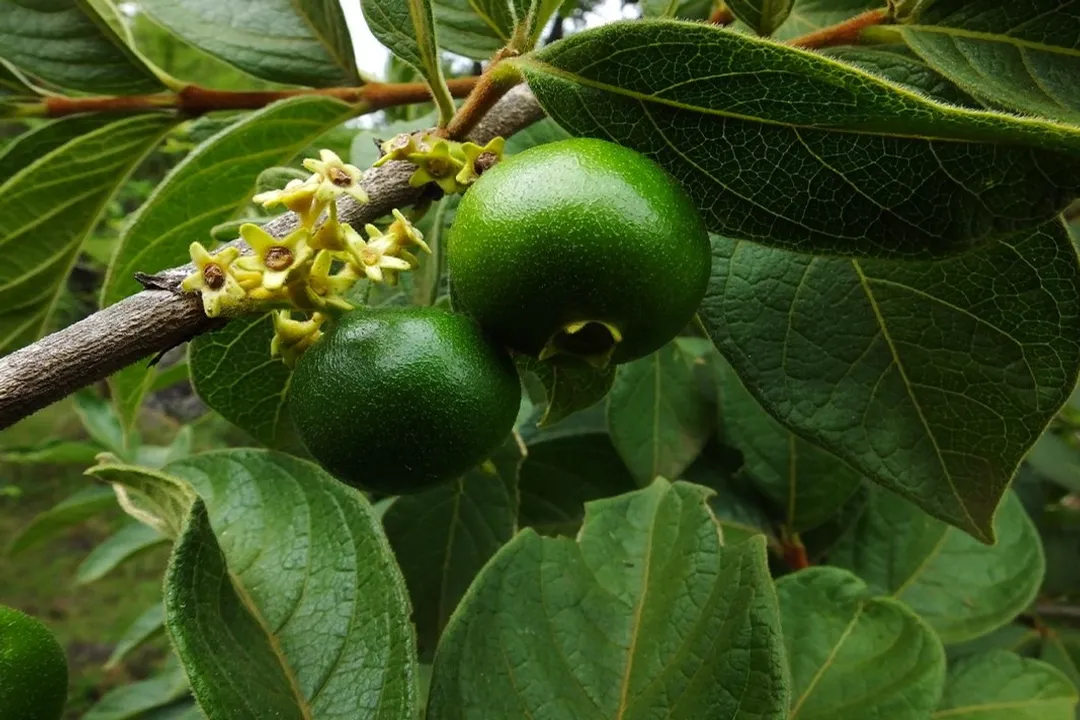
The medlar fruit, often overlooked in the modern fruit aisle, carries a history as rich and complex as its flavor profile. Unlike apples or pears, which are ready to eat off the tree, the medlar demands patience, undergoing a fascinating transformation known as bletting before it becomes palatable. [7][8] This seemingly obscure fruit—or rather, group of fruits—offers a spectrum of potential health advantages rooted in its unique composition, spanning traditional lore to contemporary scientific inquiry. [2][4]
# Naming Confusion
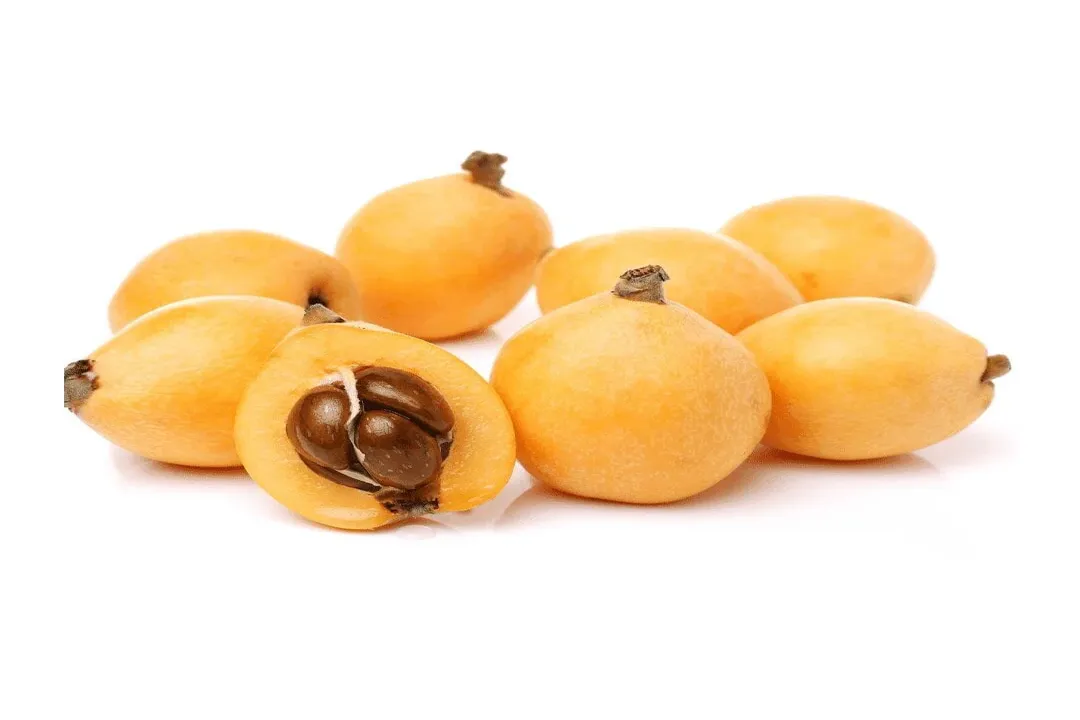
One of the first things a curious newcomer encounters with the medlar is the complexity of its identity. The name applies to several distinct species depending on the region. In many contexts, particularly in Europe, the focus is on Mespilus germanica, sometimes simply called the Mispel in German-speaking areas. [1][8] However, other regions boast their own varieties worth noting. The African medlar, Vangueria infausta, presents its own set of traditional uses and benefits. [5] Similarly, the Indian Medlar, known botanically as Manilkara hexandra (or Mimusops hexandra), is valued in Ayurvedic traditions for health and beauty applications. [6] While this article will largely draw upon the known properties of the European variety, it is essential to recognize that the term "medlar" covers a diverse family of beneficial produce. [1][5][6]
# Bletting Process
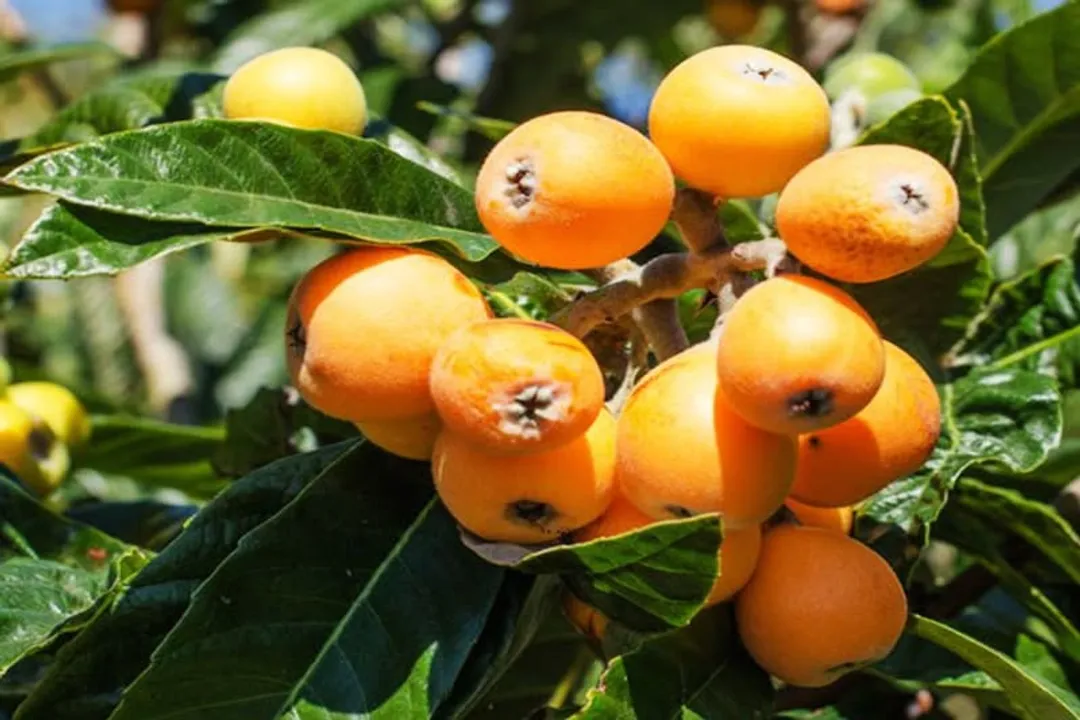
The journey from hard, astringent orb to edible delight is defined by bletting. [8] Medlar fruits are traditionally harvested in late autumn or early winter after the first frosts, or they are allowed to fall from the tree naturally. [7][8] At this stage, the fruit is firm and possesses a rather unappealing, sharp taste due to high levels of tannins. [7] Bletting is essentially controlled decomposition; the fruit softens dramatically, turning dark brown or black internally, and develops a sweet, spiced apple-like flavor reminiscent of brown sugar or dates. [7][8] This change is significant not just for taste but likely for nutrient availability and digestibility. The enzymatic breakdown during bletting converts starches into simpler sugars. [7]
If you are trying this for the first time, an easily replicated technique involves placing the fruit in a cool, dark environment—perhaps a bowl covered with a cloth in a cool cellar or pantry—for several weeks until the skin wrinkles and the flesh becomes mushy. [8] A point worth noting for the home forager or gardener: while the fruit must soften, waiting too long means you are essentially dealing with a spreadable, sweet pulp, which is delicious but shifts the textural element of the experience entirely away from a typical fruit consumption. [7]
# Nutritional Content
While not topping the charts for every single vitamin like some mass-market fruits, the medlar provides a respectable nutritional package, especially when considering its other phytochemical contributions. [4] The fruit is recognized for being a good source of dietary fiber. [4] For Mespilus germanica, the composition includes significant amounts of carbohydrates, and it is known to contain vitamins, though the specific profiles can vary based on maturity and species. [4][6] The Indian Medlar, for instance, is noted for its high content of beneficial compounds that contribute to skin health and beauty applications. [6]
A general overview of compounds often cited in relation to medlar consumption, based on different sources, suggests the presence of:
- Fiber: Essential for digestive regularity. [4]
- Vitamins: Including Vitamin C, although specific amounts are not universally standardized across the different medlar types mentioned in the literature. [4][9]
- Minerals: Trace minerals are present, supporting overall bodily function. [4]
It is helpful to view the medlar not as a singular source of one nutrient, but as a whole fruit whose benefits are derived from the synergy of its components, particularly its phenolic compounds. [3]
# Antioxidant Activity
The most compelling area of study regarding medlar health benefits often centers on its antioxidant capacity. [2][3] Scientific investigations into Mespilus germanica and related species frequently highlight high levels of polyphenols and flavonoids. [2][3][10] These compounds are crucial because they help combat oxidative stress in the body, which is linked to aging and chronic diseases. [2]
Research analyzing the chemical makeup has pinpointed several key antioxidant groups:
- Phenolic Acids: These are major contributors to the fruit's radical scavenging activity. [3][10]
- Flavonoids: Compounds known for their wide-ranging protective effects. [2][3]
One study examining medlar fruit extracts noted significant activity against harmful free radicals, suggesting a strong potential for in vivo protective effects. [10] Furthermore, the bletting process itself, which softens the fruit, might influence the release or availability of these healthful substances, a phenomenon worth further exploration in preparation methods. [7] Comparing the chemical findings from various studies demonstrates that while Mespilus germanica is well-studied, different populations or related species like Vangueria infausta also possess considerable antioxidant potential relevant to local traditional medicine. [5][2] This consistency across species, despite geographical separation, suggests a core protective mechanism inherent to the fruit class. [5]
# Digestive Well-being
Given the inherent structure of the medlar fruit, its impact on the digestive system is a significant benefit, largely attributed to its fiber content. [4] Dietary fiber is vital for maintaining gut motility and supporting a healthy microbiome. [4] Before bletting, the high tannin content can sometimes be associated with astringency, which historically might have lent itself to traditional uses for managing certain digestive upsets, although consuming it unripe is not recommended today. [7] Once properly ripened, the fruit is much gentler.
To maximize the digestive benefit, consider incorporating the fully softened pulp (the result of thorough bletting) into simple recipes like fruit compotes or blending it into smoothies. This ensures you are consuming the maximum amount of softened structural material, providing a significant dietary fiber boost compared to simply eating a small, under-bletted piece. [4]
# Traditional and Aesthetic Uses
Beyond immediate nutritional intake, medlars have historical applications that suggest broader wellness benefits. [6][7] Traditional herbal uses often point toward remedies for gastrointestinal complaints, leveraging properties that might soothe the digestive tract once the harsh tannins have mellowed. [4][7]
The Indian Medlar (M. hexandra) specifically draws attention for its use in beauty and skin care. [6] Extracts from this variety are sometimes incorporated into formulations aimed at improving skin health, suggesting components that are beneficial topically as well as internally. [6] This duality—being useful both for internal sustenance and external application—underscores the fruit's perceived value across different cultures. [6] While modern Western science focuses heavily on the fruit's phytochemical profile for systemic health (like antioxidants), indigenous knowledge often views these compounds through the lens of immediate, observable benefits like skin appearance. [5][6]
# Preparation Nuances
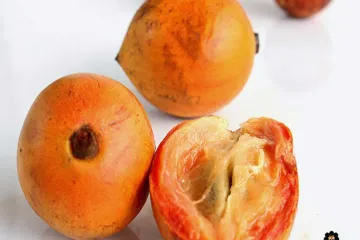
The critical aspect of consuming the medlar is timing the bletting process correctly, which dictates both texture and perceived health benefits. [7][8] An insightful comparison can be drawn between the texture of a Mespilus germanica fruit eaten just as it turns soft (a slightly grainy, very sweet interior) versus one left longer until it becomes almost liquid (a smooth, date-like paste). [7] For those looking to incorporate this into a standard dietary pattern, aiming for that slightly firm, fully softened stage—where it can still be spooned out without being completely runny—offers the best balance between concentrated sweetness and structural integrity for pairing with other foods like yogurt or cheese. [8]
Furthermore, when considering the health profile, it is important to acknowledge the context of consumption. Unlike fruits consumed year-round, the medlar is inherently a late-season, winter fruit. [1] Integrating a naturally seasonal food into the diet, as our ancestors did, can sometimes offer a nutritional boost precisely when other fresh produce sources are dwindling, providing essential fiber and antioxidants during colder months when the body may benefit from extra support. [1][2] This seasonality is less about an absolute superiority over year-round staples and more about providing specific, timely support within an annual dietary cycle.
# Research Outlook
The ongoing scientific interest in medlar fruit, particularly Mespilus germanica, is evident in recent biochemical analyses. [2][3][10] The consistency in reporting high levels of bioactive compounds, such as various phenolic acids, supports the traditional claims of medicinal value through mechanisms like antioxidant defense. [3][10] For instance, the detailed analysis of certain phenolic profiles underscores why researchers continue to investigate this fruit—it contains an array of compounds that work together, which often means the whole, unprocessed fruit may provide synergistic health effects greater than isolated extracts. [2] This scientific validation helps bridge the gap between anecdotal evidence and evidence-based dietary advice. [3] It suggests that future research may pinpoint specific dosage ranges or preparation methods that optimize the bioavailability of these helpful components.
# Common Species Comparison
While much of the detailed phytochemical data often relates to M. germanica, recognizing the broader family is key to appreciating the global reach of the "medlar" benefits. [1][5] The African medlar (Vangueria infausta) is a significant food source in its native region, consumed both fresh and processed, and its nutritional value contributes to local dietary health. [5]
| Species Name | Common Name | Primary Region/Context | Noteworthy Characteristic |
|---|---|---|---|
| Mespilus germanica | European Medlar | Europe | Requires bletting; high in polyphenols [1][8] |
| Vangueria infausta | African Medlar | Sub-Saharan Africa | Traditionally consumed both fresh and processed [5] |
| Manilkara hexandra | Indian Medlar | South Asia | Valued for skin/beauty applications [6] |
This table illustrates that although the mechanism (like bletting) might differ, the underlying theme across these species is their contribution to human health and sustenance, whether through fiber, antioxidants, or cosmetic applications. [4][6][10]
# Final Considerations
The medlar remains a delightful curiosity and a source of tangible nutritional value, provided one is willing to wait for its unique maturation. [7] Its benefits are tied closely to its composition—rich in fiber and loaded with protective antioxidants derived from its phenolic compounds. [2][4][3] For those interested in rediscovering historical produce, the medlar offers a taste of the past supported by modern chemical analysis, inviting a thoughtful approach to seasonal eating. [1][8]
Related Questions
#Citations
GYO fascinating facts: medlars / RHS
Phytochemistry, nutritional composition, health benefits and future ...
Phytochemistry, nutritional composition, health benefits and future ...
Common Medlar - healing herbs - Herbs2000.com
Discover the Surprising Benefits of African medlar for Your Health ...
Indian Medlar Tree: Unlocking the Secrets of Nature's Hidden Gem ...
Medlar - Humanitas.net
Medlars: Fruit enjoyment for nature lovers – Fruit World Blog - Obstwelt
Medlars are a good source of dietary fiber, particularly ... - Facebook
[PDF] Medicinal benefits and usage of medlar (Mespilus germanica) in ...