Health Benefits of Mangosteen
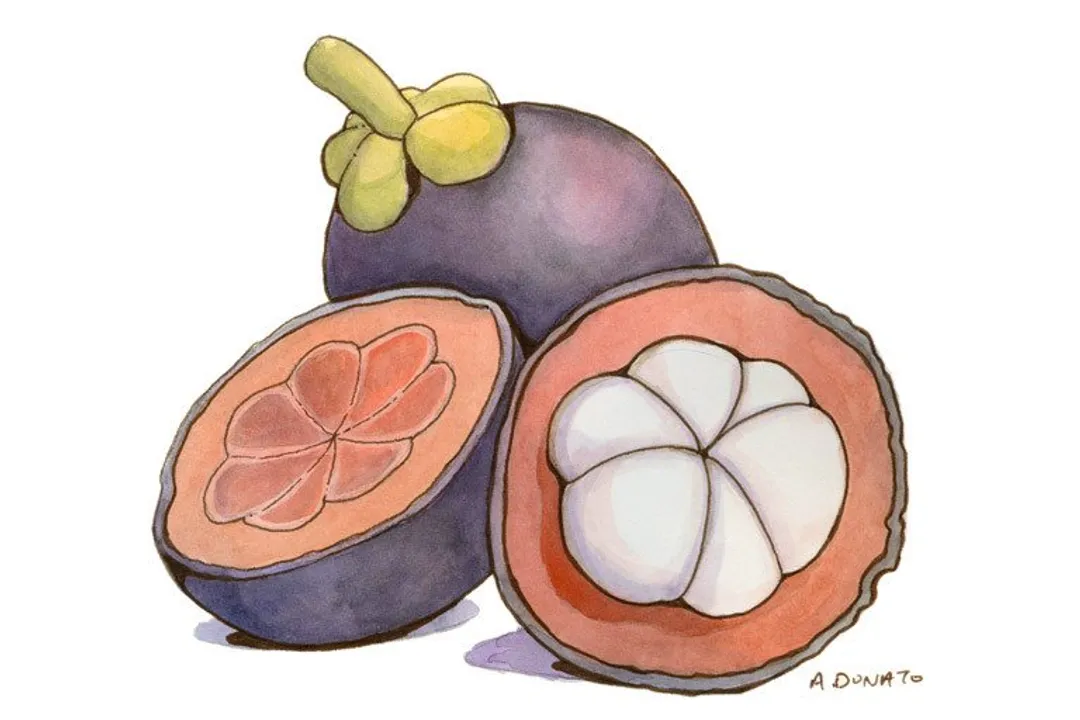
The deep purple rind and snow-white, segmented flesh of the mangosteen, often hailed as the "Queen of Fruits," carry a history steeped in traditional use and modern intrigue. [1][2] Beyond its exquisite, sweet-tart flavor, this tropical gem is celebrated for a variety of potential health advantages that have drawn attention from nutritionists and health enthusiasts alike. [1][5] While many fruits offer vitamins, mangosteen possesses unique compounds that set it apart in the realm of functional foods. [4] Understanding its full spectrum of benefits requires looking past simple vitamin counts and delving into its complex phytonutrient profile. [10]
# Fruit Profile

The core appeal of mangosteen begins with its basic nutritional composition when consumed as fresh fruit. [7] It is relatively low in calories, which can be helpful when incorporating it into a balanced diet. [1] The edible portion, the arils, provides a decent source of dietary fiber, supporting regularity and gut health. [7] Furthermore, it contains essential micronutrients, including a good amount of Vitamin C, which is vital for immune function and acts as an antioxidant. [1][2] Trace minerals like manganese and copper also feature in its makeup. [7]
Comparing the fresh fruit to processed derivatives, like juices or teas, is an important distinction for consumers focused on maximizing benefit. [8] While a tea might offer hydration and some warm, comforting qualities, the whole fruit provides the complete spectrum of fiber and phytonutrients contained within the flesh and sometimes, the rind extracts. [8] When considering packaged options, paying attention to added sugars is key, as these can quickly negate the positive caloric profile of the fresh fruit. [1]
# Antioxidant Compounds

The most compelling health narrative surrounding mangosteen centers on its extraordinary antioxidant capacity. [1][3] While many fruits are rich in standard antioxidants like Vitamin C and polyphenols, mangosteen contains a specific class of potent compounds known as xanthones. [1][3][9] These are naturally occurring polyphenolic compounds found primarily in the deep purple hull, though smaller amounts exist in the fruit flesh. [9]
Xanthones are polycyclic compounds that researchers believe offer powerful protective effects against cellular damage caused by free radicals. [1][3] The sheer number and variety of these compounds within mangosteen fruit extracts—sometimes cited as over 40 different xanthones—is what generates significant interest. [1][3][9] For instance, compounds like alpha-mangostin and gamma-mangostin are frequently singled out in research for their pronounced activity. [3]
When we think about the cumulative effect of environmental stressors, processed foods, and normal metabolism, the body accumulates damaging free radicals. [3] Integrating foods high in broad-spectrum antioxidants, like those found in mangosteen, is a proactive step in managing this oxidative stress. [1] This contrasts with fruits that rely predominantly on a single class of antioxidants; mangosteen offers a suite of unique compounds that work synergistically. [9]

# Inflammation Management
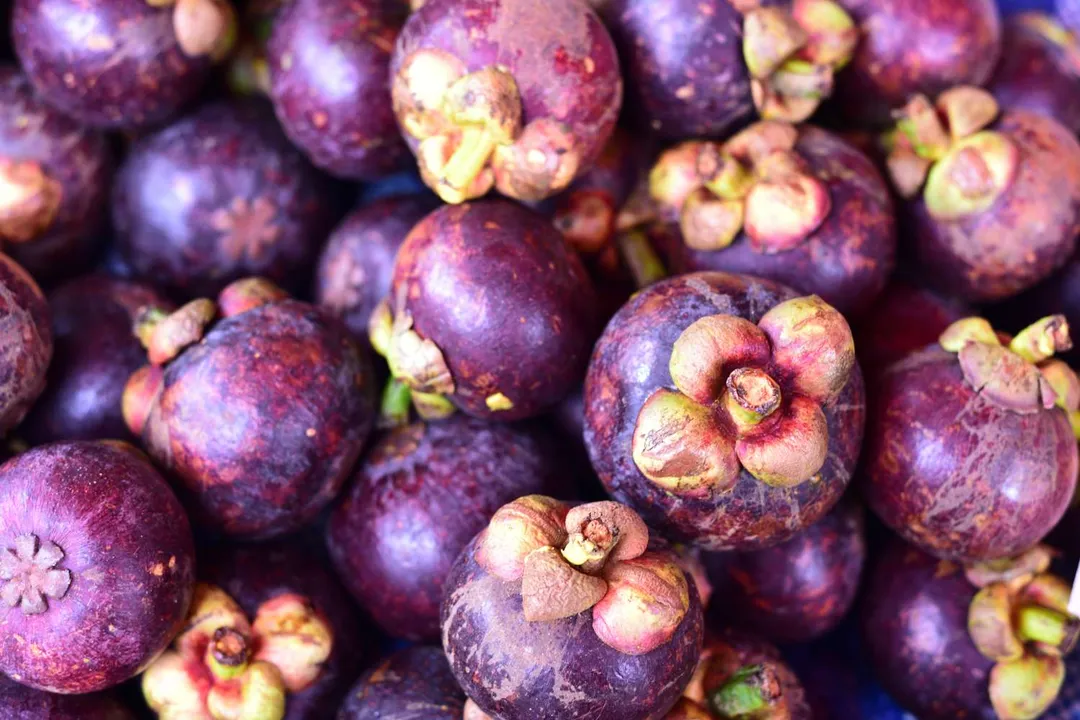
Oxidative stress and chronic inflammation are often linked, and the unique properties of mangosteen may extend to modulating inflammatory responses within the body. [1][3] The same xanthones lauded for their antioxidant capabilities are also being studied for their potential to inhibit certain enzymes and pathways associated with inflammation. [3]
If you've ever experienced mild, lingering soreness after physical exertion or notice general bodily discomfort that seems to come and go, this suggests an underlying inflammatory process. [1] While mangosteen is certainly not a replacement for prescribed anti-inflammatory medication, incorporating it into a diet rich in other whole foods may contribute to better overall balance. [1][10] Traditional medicinal uses often point toward its efficacy in addressing discomfort, which aligns with modern investigations into its active constituents. [2][5]
# Immune Support
A strong immune system relies on consistent nourishment, especially adequate intake of vitamins and minerals that support cellular function. [2] Mangosteen provides Vitamin C, a well-established immune supporter that aids in the production of white blood cells. [1][2] However, the immune benefit likely isn't solely derived from this single vitamin. [10]
The fruit's broad array of phytochemicals may offer a wider-ranging support structure for the body’s defenses. [10] Some traditional uses suggest mangosteen aids in recovery and general vitality, which points toward a systemic rather than singular immune action. [5] Think of it less like taking a single 'booster shot' vitamin and more like providing a diverse, high-quality nutrient foundation upon which your immune cells can operate efficiently. [10]
# Skin Health
The external appearance of health often mirrors internal well-being, and mangosteen has gained traction in cosmetic and dermatological discussions due to its potential topical and ingestible benefits. [1][5] The high concentration of antioxidants, particularly those found in rind extracts, is frequently cited when discussing skin applications. [5]
These compounds may help protect skin cells from environmental damage, such as UV exposure and pollution, which accelerate visible aging. [1] For individuals concerned with maintaining skin suppleness and clarity, consuming the fruit or using products derived from its extracts could be a complementary approach. [5] In Asian traditional medicine, applications have long involved treating skin irritations, suggesting an empirical understanding of its soothing properties. [5] This localized benefit is an interesting parallel to its systemic anti-inflammatory potential.
# Metabolic Balance
Maintaining stable blood sugar levels is a continuous health objective for many people. [1] Research suggests that compounds within mangosteen may play a role in glucose metabolism. [1] Specifically, some studies indicate potential mechanisms where mangosteen constituents might help improve insulin sensitivity or modulate carbohydrate absorption. [1]
It is crucial to differentiate between the established nutritional facts of the fresh fruit and the results derived from concentrated extracts used in clinical studies. [1] While eating the whole fruit provides natural sugars alongside fiber to slow absorption, the extract research hints at specific molecular interactions. [1][7] For general health, replacing high-glycemic processed snacks with fresh mangosteen fruit is a practical, beneficial substitution that naturally supports better metabolic pacing due to the included fiber. [7]
# Digestive Function
Fiber is an unsung hero of daily health, and mangosteen contributes to this essential macronutrient group. [7] Dietary fiber helps maintain regular bowel movements, preventing issues like constipation, and feeds beneficial gut bacteria, which is foundational for overall wellness. [7]
When considering consumption methods, remember that while the flesh contains fiber, many topical or supplement-based mangosteen products focus only on the rind extract for xanthones, potentially missing out on the digestive benefits provided by the fruit pulp. [8] If you are seeking digestive regularity alongside antioxidant intake, prioritizing the whole, fresh fruit is the most straightforward way to achieve both goals simultaneously.
# A Note on Traditional and Clinical Context
Mangosteen has a deep provenance in Southeast Asian herbal traditions, where various parts of the plant—not just the fruit flesh—have been applied for various ailments. [2][5] This long history of use lends weight to current scientific investigations. [5]
It is important to note the difference in focus between traditional application and modern clinical studies. Traditional healers often used parts of the plant not commonly eaten in the West, such as the bark or rind preparations, to address specific issues. [5] Modern studies, often supported by the sources, frequently concentrate on isolating and testing the impact of xanthones found in concentrated extracts on cellular models or limited human trials. [3][9] The authority of the traditional use supports the exploration of the modern science, but the mechanisms studied are not always identical to how a person consumes the fresh fruit daily. [5]
# Practical Integration and Consumption
Incorporating mangosteen into your regular routine can sometimes present a small logistical challenge depending on your geographic location. [4] In regions where it grows abundantly, purchasing the fresh fruit is ideal. [4] Look for fruits where the deep purple rind is intact and firm, avoiding those that are excessively soft or bruised. [4]
For those accessing mangosteen through processed forms, such as dried powder, juice, or capsule supplements, reading the label becomes the most crucial step for ensuring quality and avoiding overconsumption of sugars or fillers. [8] If you purchase juice, check for added sweeteners, as pure mangosteen juice can be quite tart and is often blended. [8] If you are trying to maximize your intake of the unique xanthones, supplements derived from the rind will contain higher concentrations than simply eating the sweet flesh. [9]
Here is a simple way to think about structuring your intake if you have access to the fresh fruit: Consider eating one or two whole fruits as a mid-morning snack, focusing on the pulp for a fiber and vitamin boost, and perhaps reserving an extract supplement (if using) for a time when you might be facing higher environmental stress, like before an extended period outdoors or during periods of high-intensity work. This approach acknowledges both the general nutrition of the edible pulp and the targeted phytonutrient load of the extracts.
This fruit's appeal is multifaceted: it satisfies a sweet craving, offers meaningful fiber, and delivers a unique suite of compounds unlike many commonly available fruits. [1][7] While it is not a cure-all, its strong antioxidant profile makes it a highly valuable addition to a diet aimed at long-term wellness and cellular defense. [1][3] The ongoing research continues to illuminate the pathways through which this "Queen of Fruits" earned its royal reputation. [2][9]
Related Questions
#Citations
11 Health Benefits of Mangosteen (And How to Eat It) - Healthline
13 Health Benefits of Mangosteen and What It Can Treat
Daily consumption of a mangosteen-based drink improves in vivo ...
10 Benefits of Mangosteen for Your Health - prodia
Mangosteen - Memorial Sloan Kettering Cancer Center
Mangosteen - Uses, Side Effects, and More - WebMD
What Happens to Your Body When You Eat Mangosteen Regularly
The Potential Health Benefits of Mangosteen Tea
The Powerful Health Benefits Of Mangosteen Fruit
Mangosteen: What it is, benefits, how to eat it - Medical News Today