Health Benefits of Mangelwurzel
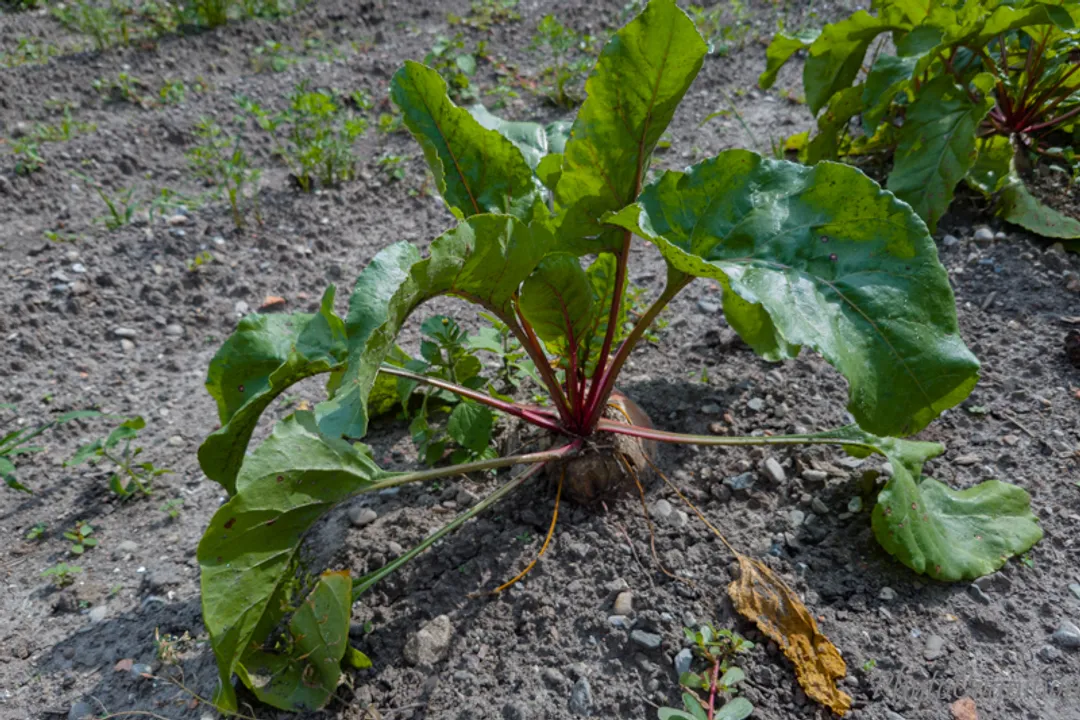
The mangelwurzel, sometimes called the field beet or mangold, belongs to the Beta vulgaris species, putting it squarely in the same botanical family as the familiar garden beetroot. [2][9] While modern culinary discussions often center on the deep red garden variety, the mangelwurzel has historically held a significant, though different, place, primarily recognized for its large size and use as animal fodder. [2][7] Despite its reputation in agriculture, this root vegetable possesses a nutritional composition that warrants a closer look at its potential health contributions for humans, particularly when understanding its composition relative to its more common cousin.
# Botanical Kinship
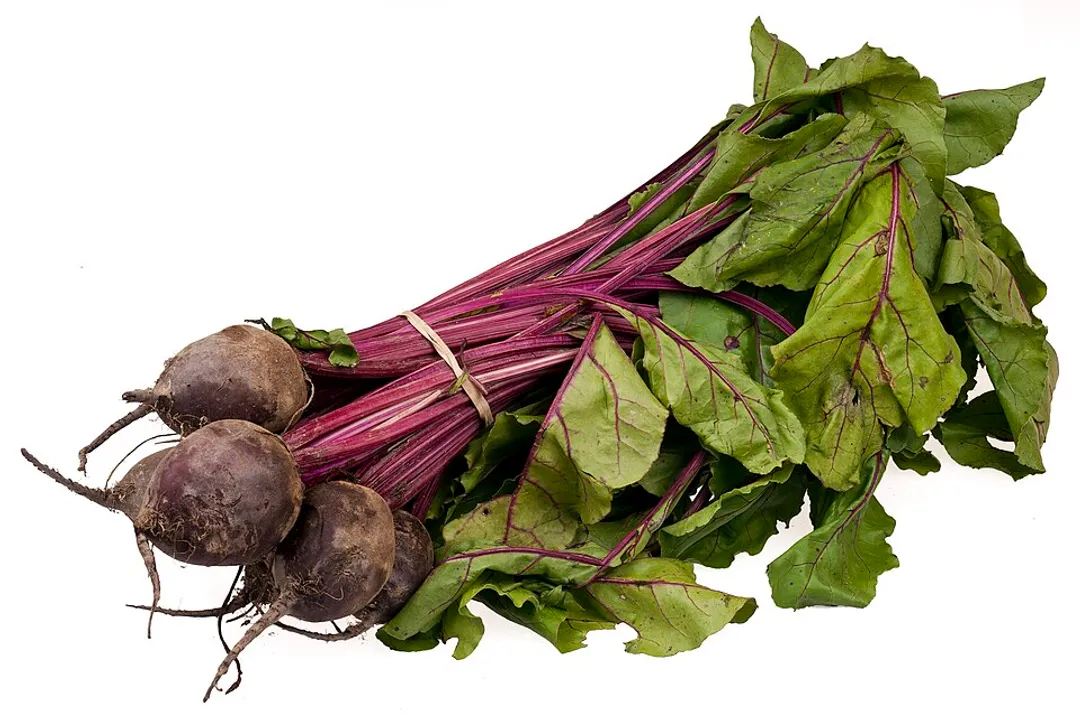
The scientific name Beta vulgaris encompasses several subspecies, including the sugar beet, the leaf vegetable chard, the garden beet, and the fodder beet, which is what the mangelwurzel generally represents. [9][7] This classification confirms that the underlying genetic material is similar to the beetroot known for its vibrant color and associated health compounds. [1] However, the cultivation focus for mangelwurzel has historically been on producing a large, high-yield root suitable for livestock, rather than on maximizing the sweetness or tenderness preferred for human plates. [2] This difference in breeding objective means that while they share a lineage, their physical characteristics and palatability for human consumption diverge noticeably. [2]
# Nutrient Profile

The nutritional makeup of the mangelwurzel root, even in its less-refined form, offers several valuable components. Researchers analyzing different Beta vulgaris varieties have noted that fodder beets, like the mangelwurzel, tend to have a high content of dry matter, which includes carbohydrates, protein, and fiber. [7] Specifically, mangelwurzel is recognized for containing a substantial amount of Vitamin C. [2] Furthermore, analyses comparing fodder beets to garden beets often show that the fodder varieties can contain higher levels of certain minerals and protein relative to their sugar content. [7] It is important to remember that raw consumption, while possible, is often challenging due to the root's dense texture. [2]
# Digestive Support
One measurable benefit derived from the mangelwurzel’s structure is its contribution to dietary fiber intake. [2] Fiber is essential for maintaining digestive regularity and supporting a healthy gut environment. [7] As a root vegetable, mangelwurzel provides bulk in the diet, which can aid in promoting satiety and stabilizing blood sugar levels when consumed as part of a balanced meal plan. [4] While the specific types and quantities of fiber are often extrapolated from general Beta vulgaris studies, the fibrous nature of this large root is a definite feature. [7]
# Traditional Uses
Historically, the mangelwurzel has found its way into folk medicine practices, suggesting an established, though perhaps unstandardized, recognition of its properties. [2] In traditional systems, root vegetables were often valued for their grounding energy and ability to fortify the body through winter months, given their storage capabilities. [5] Although specific, documented trials on the mangelwurzel's medicinal effects in modern literature are scarce compared to the red beet, its inclusion in folk remedies points toward an early understanding of its nourishing capacity. [2]
# Culinary Differences
The most significant barrier to frequent human consumption of mangelwurzel lies in its culinary profile when contrasted with the common garden beet. [2] Garden beets are celebrated for their intense, sweet flavor imparted by high sugar levels and their deep red pigments, known as betalains, which are linked to various antioxidant effects. [1][3] Mangelwurzel, on the other hand, is generally described as being tougher, less sweet, and possessing a milder flavor profile. [2]
| Feature | Mangelwurzel (Fodder Type) | Garden Beetroot (Common Type) |
|---|---|---|
| Primary Use | Livestock feed [2] | Human consumption [1][6] |
| Texture | Tougher, denser [2] | Tender when cooked [2] |
| Flavor | Milder, less sweet [2] | Distinctly sweet [2] |
| Pigmentation | Often pale yellow or white [2] | Deep red/purple (Betalains) [1][3] |
This comparison highlights why the garden beet has dominated the kitchen shelf: its texture is softer and its flavor more appealing for raw or lightly cooked preparations. [2] For someone accustomed to standard beets, integrating mangelwurzel would require a shift in expectation and preparation technique. [2]
Here is an actionable consideration for integrating this root: If preparing mangelwurzel for human consumption, treat it more like a turnip or rutabaga than a delicate garden beet. Its dense structure means it will likely require longer, moist cooking methods—such as slow roasting or stewing—to break down the tougher fibers and release its stored nutrients, rather than quick pickling or steaming. [2] This preparation approach respects the root's inherent toughness, aiming to make it palatable rather than forcing it into a delicate role it was not bred for.
# Mineral Content
Root vegetables are known accumulators of minerals from the soil, and the Beta vulgaris group is no exception. [7] Mangelwurzel, grown for bulk and hardiness, is known to concentrate various micronutrients. [7] For instance, information pertaining to the broader beet family indicates notable levels of iron. [8] Iron is a key component in hemoglobin production, essential for oxygen transport throughout the body. [8] Beyond iron, these root vegetables generally contain other vital minerals such as potassium, magnesium, and calcium, which support functions ranging from blood pressure regulation to bone health. [7] The exact concentration will vary dramatically based on soil quality and growing conditions, but the potential reservoir of micronutrients exists within the root structure. [7]
# Energetics and Food Quality
From an energetic perspective, which considers how food affects the body's systems, beets (and by extension, the related mangelwurzel) are often described as having a cooling and moistening nature. [5] This classification suggests they are beneficial for cooling down excess heat or inflammation within the body. [5] Furthermore, the sheer density of the root allows it to store energy, making it a substantial food source. [5] This aligns with its historical agricultural role: providing significant caloric and nutrient bulk for large animals. [7] While energy content is often discussed in terms of raw calories, the presence of various vitamins and minerals contributes to the overall quality of that stored energy. [2][7]
A subtle point often missed when comparing Mangelwurzel to garden beets is the implication of its pale color. Garden beets owe their intense color to betalains, which are powerful antioxidants. [3] Since the mangelwurzel often lacks this intense pigmentation, it is reasonable to infer that its betalain content is substantially lower than that of a standard red beet, meaning one should not expect the same level of specific antioxidant punch commonly associated with beetroot juice. [1][3] Instead, the health value of the mangelwurzel shifts more heavily toward its fiber, carbohydrate bulk, and general mineral profile. [7][2] This is a critical differentiation for anyone looking to utilize the root specifically for its phytochemical benefits versus its structural, fibrous benefits. [4]
Related Questions
#Citations
9 Impressive Health Benefits of Beets - Healthline
15 Health Benefits of Mangelwurzel
Red Beetroot – Health benefits for a healthy heart and a longer life
Beetroot: Health Benefits, Nutrients, Preparation, and More - WebMD
Energetics of Beet Root: Red and Delicious - East West Wellness
Beets — The History, Myriad Uses, and Health Benefits of These ...
[PDF] Nutritional and Health benefits of beet root leaves
BEETROOT: A NATURAL SOURCE OF IRON AND MORE - crystalnutri
Beetroot - Wikipedia