Health Benefits of Lychee
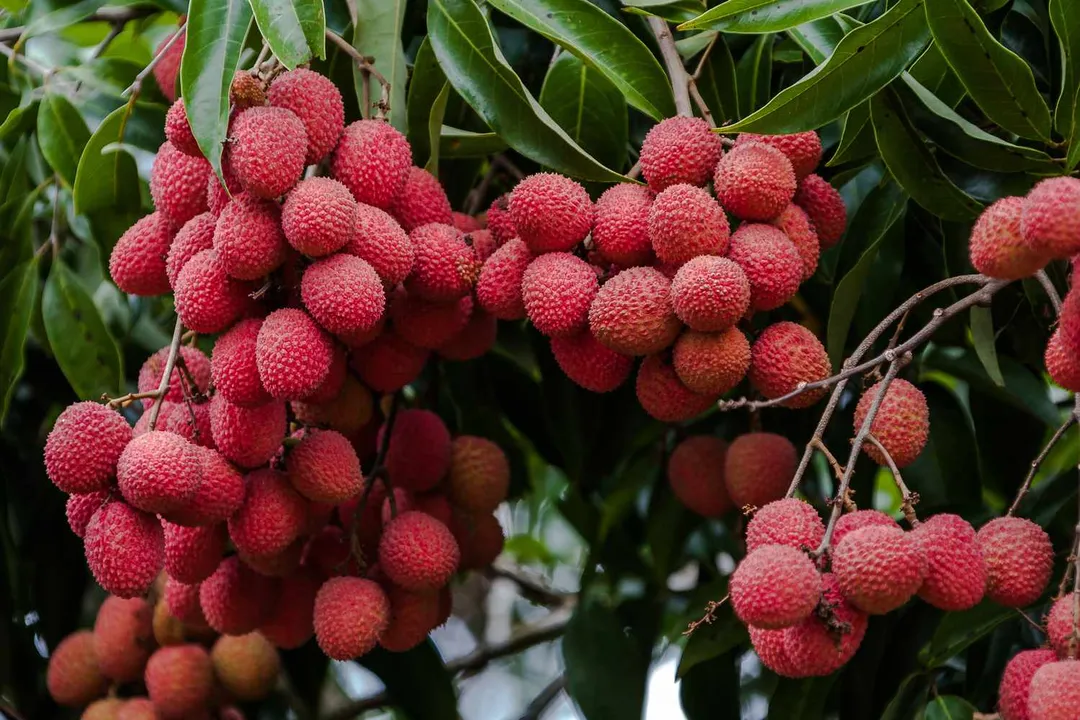
This exotic fruit, often recognized by its rough, reddish-pink skin and sweet, translucent flesh, offers more than just a delightful tropical flavor; it comes packed with a surprising array of nutrients beneficial for overall wellness. [1][7] Lychee, which means "gift for joyful life" in Chinese, has been enjoyed for centuries, not only as a refreshing snack but also in traditional medicine systems. [5] When considering integrating this fruit into a modern diet, it’s helpful to look closely at the science backing up its traditional uses, particularly focusing on its impressive micronutrient and antioxidant profile. [2][3]
# Nutritional Content

A single serving of lychees, roughly ten fruits or about 3.5 ounces (100 grams), provides a small but significant energy boost, usually clocking in around 66 calories. [1][7] This serving size offers nearly 75% of the recommended daily intake for Vitamin C, making it a potent source of this essential nutrient. [1][4] Vitamin C is crucial for supporting the immune system and plays a part in collagen production, which maintains skin structure. [4]
Beyond Vitamin C, lychees contribute a notable amount of copper, which is vital for red blood cell formation and maintaining healthy blood vessels. [1][2] They also contain moderate amounts of B-complex vitamins, such as niacin, riboflavin, and folate, which are necessary for the body's metabolic processes—turning food into usable energy. [1][4] While the fruit is composed mostly of water (around 82%), the remaining dry weight is rich in dietary fiber, which aids in digestive health. [6][7]
Here is a look at the approximate nutritional breakdown for a standard 100-gram serving (about 10 fruit):
| Nutrient | Amount (Approx.) | Primary Role |
|---|---|---|
| Calories | 66 kcal | Energy Source |
| Vitamin C | 72 mg (79% DV) | Immune Support, Antioxidant |
| Potassium | 171 mg | Fluid Balance, Blood Pressure |
| Copper | 0.15 mg (17% DV) | Red Blood Cell Formation |
| Fiber | 1.3 grams | Digestive Regularity |
It’s interesting to note that while lychees are sweet, their carbohydrate content is moderate compared to many dried fruits, making them a relatively low-calorie way to satisfy a sweet tooth, provided consumption remains within reasonable serving limits. [1][6]
# Potent Antioxidants
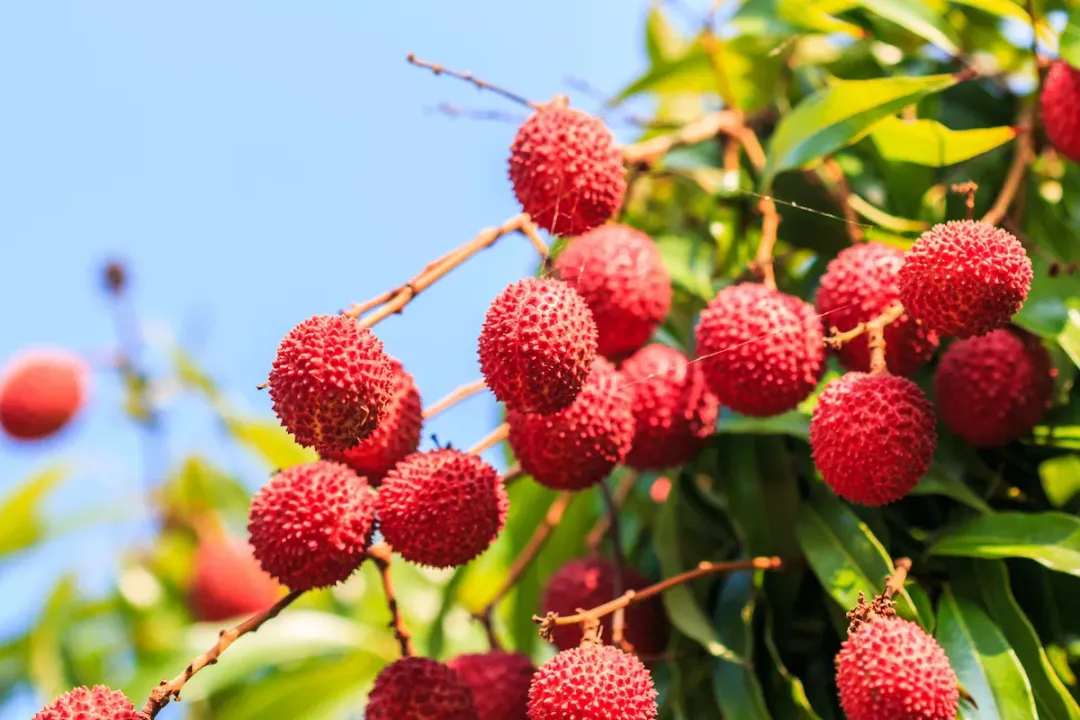
The health-promoting properties of lychee are largely attributed to its rich supply of bioactive compounds, specifically polyphenols, which act as powerful antioxidants. [3] These substances help combat oxidative stress in the body by neutralizing unstable molecules known as free radicals, which can otherwise cause damage to cells and DNA. [3][7]
Several specific flavonoids stand out in the lychee composition. Rutin and quercetin are two such compounds frequently mentioned for their protective capabilities. [3] Quercetin, for instance, is known for its anti-inflammatory effects, which can be beneficial across various bodily systems. [3] Another significant compound identified is epicatechin, which has been studied for its potential role in supporting cardiovascular function. [3]
When comparing lychees to other common fruits, their antioxidant activity is notable. For example, the abundance of Vitamin C alone provides significant free radical scavenging power, but the synergy with plant compounds like polyphenols offers a broader spectrum of protection. [1][4] To maximize the intake of these valuable antioxidants, one should aim to consume the fruit shortly after peeling, as certain delicate compounds can degrade with prolonged exposure to air and light. [9] This is a practical consideration for enjoying fresh lychees, as processed or canned versions may have reduced efficacy of these volatile compounds.

# Heart Support

Maintaining a healthy heart involves managing factors like blood pressure and circulation, areas where the mineral and antioxidant content of lychee may contribute positively. [2][3] Lychees are a good source of potassium, a mineral essential for regulating fluid balance and counteracting the negative effects of sodium on blood pressure. [1][7] Adequate potassium intake helps keep blood pressure within a healthy range, reducing strain on the cardiovascular system. [2]
Furthermore, the presence of compounds like rutin, identified as one of lychee's key antioxidants, is specifically linked to potential circulatory benefits. [3] Rutin may help strengthen capillary walls and improve overall blood flow. If we consider the typical Western diet, often high in sodium and low in potassium, incorporating potassium-rich fruits like lychees becomes a simple dietary adjustment for better heart maintenance. [2]
# Immune Function
The standout nutritional feature for immune health is undoubtedly the high concentration of Vitamin C. [4] Vitamin C is indispensable for the proper functioning of various immune cells, helping the body defend against pathogens. [7] Since the body does not store Vitamin C, daily dietary intake is necessary, and a small serving of lychees can meet a significant portion of this requirement. [1]
The antioxidant power discussed earlier also supports immunity indirectly. By reducing the oxidative stress caused by inflammation or fighting infections, these compounds help keep the immune response efficient rather than overtaxed. [3] For instance, in traditional contexts, consuming fresh fruit was a practical way to bolster defenses during seasonal changes, a concept that aligns well with modern understanding of nutrient timing for immune support. [5]

# Skin and Digestion
Healthy skin relies on both internal support (nutrition) and external care. Internally, lychees contribute via Vitamin C, which is vital for synthesizing collagen, the protein that gives skin its strength and elasticity. [4][7] By aiding collagen production, the regular, moderate consumption of lychees can theoretically support the skin's structural integrity over time.
In terms of digestion, the fiber content, though not exceptionally high compared to fruits like berries or apples, still plays an important role. [6][7] Dietary fiber promotes regular bowel movements and can contribute to a feeling of satiety, which might assist in weight management efforts. [7] For those who struggle with constipation, incorporating high-water-content, fiber-rich snacks like fresh lychee can be a pleasant addition to a regular hydration and fiber routine.
# Potential Protective Effects
Scientific investigation into lychee extends beyond basic nutrition, delving into its potential protective effects against more serious conditions, primarily stemming from its unique blend of bioactive substances. [3]
# Cancer Research
Studies have looked into the anti-cancer potential of lychee extracts. Research suggests that compounds within the fruit may inhibit the growth of cancer cells in vitro (in lab settings). [3] This effect is often linked to the fruit's high concentration of polyphenols, which can influence cell signaling pathways related to proliferation and programmed cell death (apoptosis). [3] It is important to maintain perspective here: while promising laboratory results exist, consuming lychees should be viewed as part of a generally healthy diet, not as a replacement for established cancer prevention strategies or medical treatments. [3]
# Brain Health
Emerging areas of interest include the neuroprotective aspects of lychee. Some research indicates that certain extracts may offer protection to brain cells against damage, potentially due to their ability to reduce inflammation and combat oxidative stress within the nervous system. [3] This area requires more clinical study in humans, but the general principle—that strong antioxidants protect vulnerable cells, including neurons—is a consistent theme in nutritional science. [3]

# Traditional Use and Ayurveda
In systems like Ayurveda, lychee is valued for its balancing properties, often associated with cooling the body and supporting overall vitality. [5] Ayurveda suggests that lychee has properties that can help manage Pitta imbalances, which are often associated with heat, inflammation, and acidity in the body. [5] Furthermore, it is traditionally believed to possess aphrodisiac qualities, though modern scientific validation for this specific use is limited. [5]
The traditional utilization often involved using the fruit for its perceived ability to clear heat and improve complexion, linking back to its Vitamin C and antioxidant contributions that support skin health. [4][5] When looking at traditional applications, one practical takeaway is that utilizing seasonal fruits like lychee aligns perfectly with the idea of eating foods that are naturally suited to the local climate and time of year. [9]
# Practical Consumption Notes
Enjoying lychees is straightforward, but there are a few points to keep in mind for both safety and optimal enjoyment. Always purchase fruit that is firm and clean, and consume it soon after peeling due to the delicate nature of its nutrients. [9]
# Safety Considerations
While lychees are overwhelmingly safe and healthy when eaten in moderation, there is a known risk associated with consuming unripe or unripe fruit, particularly on an empty stomach, which is more relevant to certain regions where the fruit grows abundantly. [2] In cases of undernourishment or when consuming large quantities of unripe fruit, a condition involving acute hypoglycemia can occur due to compounds in the fruit that may interfere with the body's ability to produce glucose. [2] For the average, well-nourished person eating ripe fruit as part of a balanced diet, this risk is negligible, but it serves as an important caution, especially when introducing this fruit to children or individuals with existing metabolic concerns. [2]
If you are aiming to maximize the health advantages, consider making a simple lychee infusion. Slice the peeled fruit and let it sit in cold, filtered water for an hour or two before drinking. This creates a refreshing, slightly flavored beverage where the water-soluble Vitamin C and some minerals can naturally infuse, providing hydration alongside the nutrients, without the heavy sugar load of commercial sodas. [1] This method offers a low-impact way to benefit from the fruit’s properties throughout the day.
The appealing taste of fresh lychee makes incorporating it into daily meals simple. Whether served chilled as a dessert, added to a green salad for a burst of sweetness, or blended into a smoothie for an antioxidant boost, the key remains variety and moderation to reap the full spectrum of its documented benefits. [4][7]
Related Questions
#Citations
Lychees 101: Nutrition Facts and Health Benefits - Healthline
Health Benefits of Lychee Fruit - WebMD
Lychee Health Benefits: Antioxidant, Neuroprotective, and Anti ...
5 Health Benefits of Eating Lychee Regularly
Lychee: Uses, Benefits, Side Effects and More | PharmEasy
Lychee Fruit: 9 Benefits & How to Eat (w/ Recipes) - Tua Saúde
Health Benefits of Lychee Fruit, According To a Dietitian
Nutrient components, health benefits, and safety of litchi ... - PubMed
Lovely lychees – how healthy is the fruit of love? - Dole