Health Benefits of Loquat
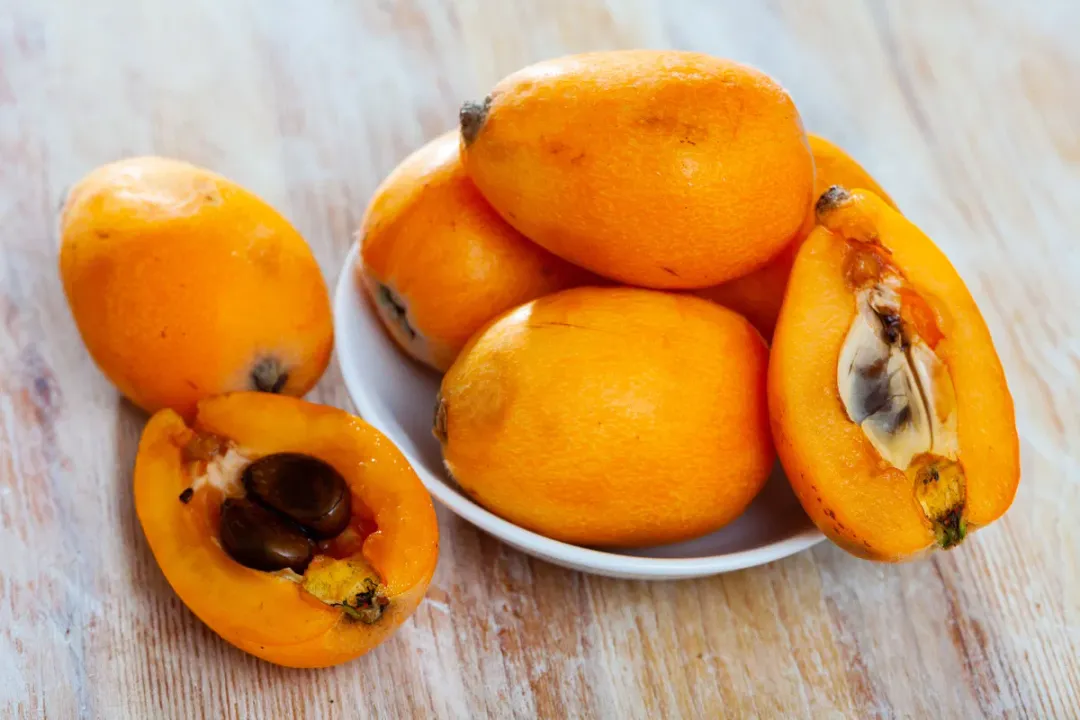
The small, oval fruit known as loquat, often compared visually to a small pear, carries a flavor profile that blends tartness with sweetness, sometimes carrying hints of citrus, apricot, or cherry. [3][4] Native to China, this fruit, scientifically classified as Eriobotrya japonica, is part of the Rosaceae family, placing it among familiar fruits like apples and pears. [1][3] Historically, the Chinese culture has valued both the fruit and the leaves of the loquat tree for thousands of years, employing them in traditional remedies for ailments ranging from coughs to diabetes and even cancer. [4][8] While it has naturalized across various subtropical and temperate regions globally, its rich nutritional makeup and potent bioactive compounds are what truly make it a subject of modern health interest. [1][8]
# Nutrient Snapshot

To appreciate the health claims, one must first examine the raw nutritional data. Loquats are notably low in calories while delivering a respectable amount of dietary fiber. [1][4][9] For instance, a 100-gram serving generally contains around 47 calories. [1][4] Carbohydrate content hovers around 12 grams per 100g, with fiber contributing about 1.7 to 3 grams, depending on the data source consulted. [1][2][3][4] Fat and protein levels are quite low, usually less than 1 gram. [2][3][7]
The true value, however, lies in the micronutrient density. Loquats are particularly recognized for their contribution of several key vitamins and minerals. [3][5][9]
| Nutrient | Approximate Content (per 100g) | Key Function Highlighted in Sources |
|---|---|---|
| Potassium | ~266 mg | Blood pressure regulation, cardiac muscle activity [1][6] |
| Vitamin A (Provitamin A) | ~76–113 mcg | Eye health, immune function, cellular growth [1][3][7] |
| Manganese | ~0.15 mg | Bone health, metabolism, enzyme cofactor [2][3][9] |
| Vitamin B6 | ~0.1–0.149 mg | Brain function, energy production, antibody creation [1][3][9] |
| Vitamin C | ~1 mg (low quantity noted) | Immune system support, collagen synthesis [1][5][6] |
| Magnesium | ~13 mg | Muscle function, bone strength [1] |
It is interesting to note the slight variations in reported figures; for example, one source indicates Vitamin C at 1 mg per 100g, [1] while another suggests a single cup (149g) may provide over 60% of the daily recommended intake of Vitamin C, making it a superb immune booster. [6] This discrepancy highlights the variability across different sampling and analysis methods, though the overall takeaway remains that loquats are a good source of several essential compounds. [6][8] The fiber content, primarily pectin, is crucial for satiety and digestive regularity. [2][6]
# Potent Antioxidants

The defense against cellular damage is a major theme in the health literature surrounding loquats. These fruits are abundant in plant compounds that act as antioxidants, neutralizing harmful substances known as free radicals. [3][4][8]
The primary players here are the carotenoids, which give the fruit its rich yellow-orange hue, along with phenolic compounds and flavonoids. [3][7][8]
Carotenoids, such as beta-carotene, not only function as antioxidants but also serve as precursors to Vitamin A in the body. [3][7] Diets rich in beta-carotene have been associated in older reviews with a lower risk of certain cancers, including colorectal and lung cancer. [3][4] However, it is important to remember that while the whole food provides these benefits, supplemental beta-carotene has not shown the same protective effects in human trials. [3]
Phenolic compounds, which include flavonoids like quercetin and rutin, and phenolic acids such as chlorogenic acid, contribute significant anti-inflammatory and antioxidant effects. [2][3][8] Research has isolated many active substances—one study identified as many as 349 active substances in loquat fruit—demonstrating a complex chemical profile deserving of further study. [7][8]

# Heart Health Focus

The convergence of minerals and antioxidants makes the loquat a potentially supportive food for cardiovascular well-being. [3][5][7] A key component is potassium, which works alongside the fruit's relatively low sodium content (only 1 mg per 100g noted in one dataset) to assist in maintaining normal blood pressure levels. [1][6] Potassium is vital for proper artery function and cardiac muscle activity. [3][6]
Furthermore, the carotenoids and phenolic compounds present in loquats may protect against heart disease by actively combating inflammation and preventing cellular damage in the arteries. [3][7] This protective effect stems from their ability to mitigate oxidative stress, which is a key driver in the formation of arterial plaque, or atherosclerosis. [3][7] People consuming higher amounts of carotenoid-rich foods have shown a reduced risk of heart disease, heart attack, and stroke in population studies. [3]
When considering these circulatory benefits, it’s worth noting that the high magnesium content, also present in loquats, is essential for overall muscle and nerve function, indirectly supporting healthy circulation and reducing strain on the cardiovascular system. [1][3]
# Metabolic Balance
Loquats have a historical reputation in traditional Chinese medicine for assisting with metabolic disorders, particularly high blood sugar. [4][8] Modern research supports this, suggesting that loquats may help improve overall metabolic health by positively influencing blood sugar, insulin, and triglyceride levels. [3][8]
The fiber content, especially pectin, slows the absorption of carbohydrates from food, helping to manage blood glucose levels and potentially preventing insulin resistance. [2][3] On the chemical side, extracts from the leaves and seeds have shown promise in animal studies for lowering blood sugar. [3] For example, specific compounds like corosolic acid, found in the leaves, have been investigated for their ability to reduce glucose levels in cellular models and rodents. [8] Additionally, studies in mice suggest that loquat fruit extract can improve lipid profiles and liver inflammation when combined with a high-sugar/high-fat diet, indicating potential benefits for nonalcoholic fatty liver disease, which is closely linked to Type 2 diabetes. [3][8]
If you are looking to manage weight, the combination of being low in calories and high in fiber makes loquats a satisfying choice, as the fiber slows digestion, promoting a longer-lasting feeling of fullness and potentially curbing unplanned cravings for processed snacks. [1][2][5][9]
# Digestive Tract Support
A well-functioning digestive system relies on adequate fiber, and loquats deliver. [5][9] The dietary fibers, including pectin, add necessary bulk to stool, encouraging regular and prompt bowel movements, which is key to preventing issues like constipation and hemorrhoids. [1][2][6]
Beyond simple bulk, the bioactive components created during digestion encourage a more favorable environment internally. Upon processing in the gut, these compounds can create an alkaline environment, which helps maintain a normal, healthy stomach pH. [1] Furthermore, some animal research suggests that loquat fruit extracts may improve the composition of gut microbes, contributing to overall digestive health. [4]
# Inflammation and Disease Defense
Chronic, long-term inflammation is now understood to be an underlying factor in numerous serious conditions, including heart disease and diabetes. [3][8] Loquat appears to possess notable anti-inflammatory capabilities due to its wide array of antioxidants and specific triterpenoids. [3][4][8]
Mechanistically, research indicates that compounds within the loquat can suppress the production of pro-inflammatory signaling molecules, such as interleukin-6 (IL-6) and tumor necrosis factor-alpha (TNF-alpha), while simultaneously promoting anti-inflammatory factors like IL-10. [3][8] Certain flavonoids found in loquats have been shown to inhibit the NF-κB signaling pathway, a central regulator of the inflammatory response. [8] Triterpenoids like ursolic acid also interfere with pathways like MEK/ERK and AKT/mTOR, which are involved in cell proliferation and inflammation. [8] This multi-pathway action suggests a synergistic effect where the collection of compounds is more powerful than any single isolated element—a phenomenon often observed in whole-food consumption. [8]
The fruit's potential anticancer properties have also been noted, with early in vitro and animal studies showing that extracts from the skin and leaves can inhibit the growth and spread of certain cancer cells, including bladder cancer cells. [3][4][8] For example, ursolic acid, a prominent triterpenoid, has been studied for its anti-tumor effects by modulating cell proliferation and apoptosis signaling. [8]
This fruit may also defend against issues related to bone density. Compounds in loquat leaves have been shown to restrain the generation of osteoclasts (cells that break down bone), potentially offering a mechanism to alleviate bone resorption diseases. [8]
# Vision and Structure Support
The connection between loquat and eye health is strong, largely due to its Vitamin A content and specific carotenoids. [1][4][7] The fruit contains Vitamin A, lutein, and zeaxanthin. [3][7] These nutrients help shield the retina and optic nerve from damage and injury. [1] Regular intake of foods high in these carotenoids is linked to a significantly lower risk of developing age-related macular degeneration (ARMD), the leading cause of vision loss in older adults. [3][7]
For skeletal structure, the minerals calcium, magnesium, and phosphorous are essential for building and maintaining strong bones. [1][5] By ensuring adequate uptake of these minerals, loquats may help in fortifying connective tissue and improving the condition of brittle bones, which is relevant for warding off conditions like osteoporosis. [1][5]
# External Beauty Applications
The benefits of loquat aren't limited to internal consumption; extracts are being explored for skin and hair health. [1][7]
For the skin, loquats contain spermidine, a compound associated with delaying cellular aging processes. [1] Combined with antioxidants like carotenes, this may help reduce the appearance of wrinkles and fine lines. [1] Furthermore, the inherent amino acids and flavonoids can assist in cell repair, diminish skin irritation, and boost the production of collagen, which is vital for maintaining firmness and elasticity. [1][7]
When addressing hair care, the inherent Vitamin C and antioxidant profile are suggested to strengthen hair roots (follicles), encouraging longer, more robust growth and countering brittle hair caused by free radical damage. [1] The juice or extract may even help manage scalp conditions, as its anti-fungal properties are noted for potentially eliminating dandruff and related itching. [1]
# Culinary Versatility and Practical Use
Loquats are a very versatile fruit, moving easily between savory and sweet applications. [3][4] They can be eaten raw, often when fully ripe, which is indicated by a bright yellow-orange color and a soft feel. [3][6] They pair well with ingredients like cheese or nuts for a quick snack. [3][7] If you find yourself with a surplus, they are excellent candidates for making jam (due to natural pectin content), jellies, compotes, or additions to baked goods like pies and cakes. [1][6][4] You can even use them in a fresh salsa with peppers and herbs for a tangy kick. [3][7]
However, when preparing them, it is crucial to be mindful of the seeds. The seeds contain trace amounts of cyanogenic glycosides (like amygdalin), which can release cyanide, a poison, upon ingestion. For this reason, the seeds should never be consumed, whether raw or cooked. [1][4][6]
If you are not using them right away, refrigeration can extend their short shelf life, often up to two weeks, though some sources suggest only a few days for peak freshness. [3][7] This short window means having preservation methods like canning, dehydrating, or freezing ready is a good strategy if you have a prolific tree. [3][6]
One practical consideration for home growers is that the tree prefers full sun and well-draining soil, and because they fruit quite early in the season (late spring), they can offer a welcome harvest before many other fruits are ready, potentially bypassing certain seasonal pests like fruit flies. [6]
# The Untapped Resource of Byproducts
While the flesh of the fruit receives the most attention, the scientific literature emphasizes that the leaves, flowers, and seeds represent significant, often underutilized resources. [8] For example, loquat leaves are rich in polyphenols and triterpenoids, showing strong antioxidant activity—in one study, loquat leaves demonstrated a stronger antioxidant effect than 54 other medicinal plants tested. [4][8] The processing waste, particularly the seeds, is often discarded but contains starch that researchers are investigating for use in biodegradable films and as an alternative starch source. [8]
Focusing on maximizing the utility of the entire plant, rather than just the edible flesh, exemplifies a move toward resource efficiency. If you happen to have a tree, composting the fruit pulp and seeds (after removing the toxic seeds for proper disposal/crushing) is a good garden practice, but understanding that the leaves hold concentrated bioactive compounds—such as those used in traditional cough remedies—provides an extra layer of appreciation for this plant beyond its status as a simple fruit provider. [1][4][8] Utilizing the leaves to make a tea, for instance, is a way to access compounds studied for their anti-inflammatory effects on conditions like bronchitis, though human studies are still awaited for many of these topical/tea applications. [2][4]
# Navigating Safety and Sensitivities
While loquats are safe for most people when eaten in moderate amounts, two primary safety concerns exist beyond seed ingestion. The first is general digestive distress if consumption becomes excessive, particularly due to the high fiber load. [1][4] The second is the potential for allergic reactions. [1][7] In rare cases, individuals can experience true allergies, which in severe instances can escalate to anaphylaxis, characterized by difficulty breathing. [1][4][7] Anyone experiencing adverse symptoms like rashes, nausea, or vomiting after consuming loquats should cease eating them and consult a healthcare provider. [1] Furthermore, in studies of people consuming large amounts of loquat leaf extract (not the fruit), isolated cases of muscle weakness have been reported, underscoring the difference between consuming the ripe fruit and using concentrated plant parts medicinally. [4]
If you are new to loquats, a wise approach is to start with a few pieces of ripe fruit to gauge personal tolerance, especially concerning fiber intake, before incorporating them heavily into your diet or recipes. Pairing a small portion of the fruit with a source of protein, like nuts or a slice of cheese, can help slow digestion further and create a more sustained energy release from the natural sugars, something often recommended when eating sweet fruits for balanced snacking. [3][7] This simple pairing strategy is an easy, actionable step to ensure you are getting the most benefit without the sudden blood sugar spikes sometimes associated with fruit eaten alone. [3]
Related Questions
#Citations
Loquat: Health Benefits & Nutrition - WebMD
7 Surprising Benefits of Loquats - Healthline
Discover the Remarkable Health Benefits of Loquats
Phytochemicals, Extraction Methods, Health Benefits, and ... - NIH
The benefits of a loquat tree (and 5 delicious recipes)
Loquats: Benefits, Nutrition, and Uses - Health
Loquat: 8 Health Benefits, Nutrition & How to Eat - Tua Saúde
Loquat - Dr Earth
Loquat: Health Benefits, Nutrition, Uses For Skin And Hair, Recipes ...