Health Benefits of Jabuticaba (Plinia)
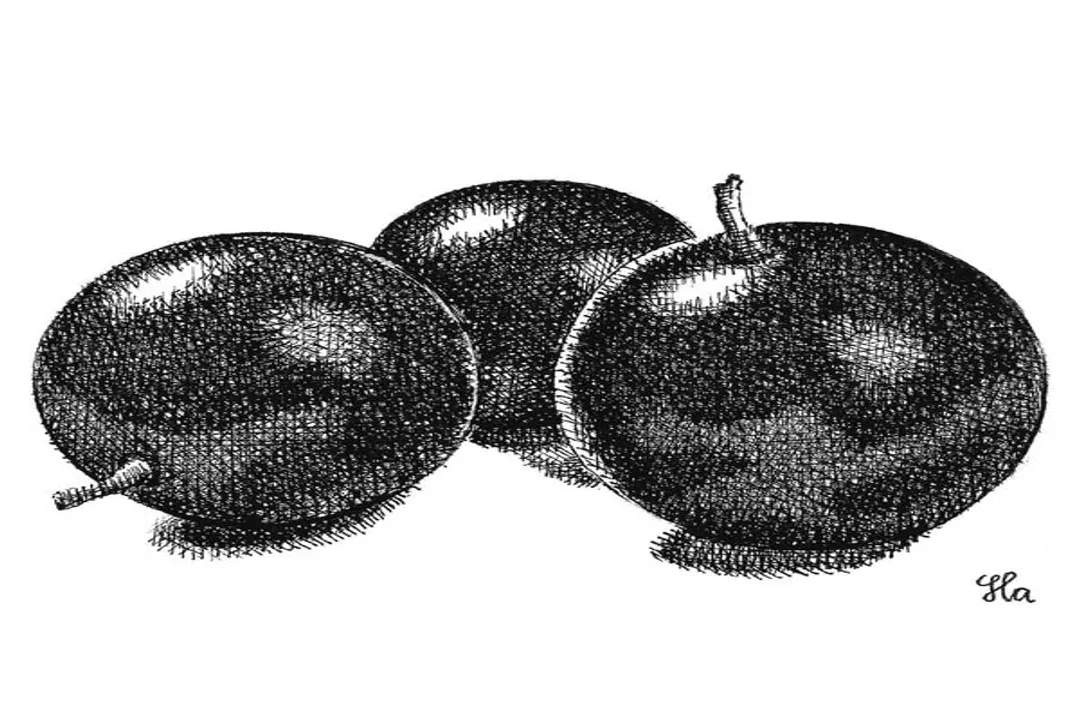
The sight of the jabuticaba fruit, Plinia cauliflora, is arresting; instead of hanging from branches, these dark, purplish-black berries sprout directly from the trunk and woody limbs of the tree, looking almost like small, exotic grapes glued onto the bark. [1][7] This unique growth habit, called cauliflory, makes harvesting a distinctive experience. [7] While many people enjoy the fruit fresh for its mildly sweet and slightly acidic pulp, the true health story of the jabuticaba often lies within its skin. [7] This exotic fruit, native to Brazil, offers a surprisingly concentrated package of beneficial compounds that scientists are increasingly recognizing for their potential impact on metabolic health and defense against cellular damage. [5][8]
# Fruit Profile
Botanically classified under the Myrtaceae family, jabuticaba bears small, round fruits that typically measure between 2.5 to 4 centimeters in diameter. [1] When ripe, the skin is thin and deep violet or black. [7] The interior consists of a translucent, gelatinous white pulp that surrounds one to four seeds. [7] The texture of the pulp is often described as soft and juicy. [7] From a taste perspective, the experience is often a pleasant balance; some describe it as being similar to a Concord grape, while others note a more pronounced tartness accompanying the sweetness. [7]
When considering local sourcing or home cultivation, the speed at which the fruit develops is notable. From flowering to full ripeness, the process can take as little as 40 to 50 days. [7] This quick turnaround makes it an attractive backyard addition for those in suitable climates, offering frequent harvests of a fruit rich in various bioactive substances. [6]
# Antioxidant Strength
One of the most celebrated aspects of jabuticaba is its high concentration of antioxidants, compounds essential for protecting the body’s cells from oxidative stress caused by unstable molecules known as free radicals. [2] The fruit, particularly its skin, is loaded with polyphenols. [5] These phytochemicals function as powerful scavengers of free radicals. [2]
Research examining the chemical makeup of the fruit has specifically identified high levels of anthocyanins, which are pigments responsible for the deep purple-black coloration. [5] These compounds are frequently associated with numerous health-protective effects in other dark-colored fruits and vegetables.
It is interesting to note the distribution of these powerful agents. While the juicy pulp is what is typically consumed raw, scientific analysis often points to the peel as the most nutrient-dense part, holding a significantly higher concentration of these beneficial polyphenols and flavonoids compared to the inner flesh. [8][5] For the casual consumer accustomed to discarding the skin, this distinction highlights a missed opportunity for maximum nutritional intake. For a truly impactful experience regarding antioxidant load, one must consume the entire fruit structure or specifically focus on peel-derived products.

# Blood Sugar Control
The potential for jabuticaba to support metabolic health is a key area of scientific investigation, especially concerning the management of blood sugar. [8] Studies focused on individuals with metabolic syndrome have indicated that extracts derived from the jabuticaba peel demonstrated an ability to reduce inflammation and assist in controlling elevated blood sugar levels. [8] This suggests that the fruit may offer a natural approach to supporting glucose homeostasis in those facing metabolic challenges. [8]
The anti-inflammatory properties observed in the peel are closely linked to its polyphenol content. [8] Chronic, low-grade inflammation is a hallmark of many modern chronic diseases, including conditions affecting blood sugar regulation. By potentially mitigating this inflammation, the bioactive components in the jabuticaba may offer synergistic benefits for overall metabolic function. [8]
If you are aiming to incorporate this fruit for its blood sugar modulating effects, simply drinking a commercial jabuticaba juice might not deliver the same results as consuming the whole, minimally processed fruit, because industrial processing can sometimes reduce the effective concentration of the beneficial compounds found primarily in the skin. [8]
# Gut Immunity
Beyond specific disease markers, the general nutritional profile contributes to well-being, particularly supporting the digestive system and immune response. [1] Like many fruits, jabuticaba provides dietary fiber, which is fundamental for promoting healthy bowel movements and maintaining regular digestion. [1] A well-functioning gut is intrinsically linked to a strong immune system, as a significant portion of immune activity resides in the digestive tract. [3]
The presence of high levels of various vitamins and phytochemicals naturally aids the body’s general defense mechanisms. [3] While specific immune cell activation studies might be limited in the available data, the collective antioxidant and anti-inflammatory actions contribute to an environment where the immune system can operate more efficiently, free from the drag of excessive cellular stress. [2][5]
For those looking to maximize digestive and immune benefits without relying on highly processed forms, one practical suggestion is to dry the peels after consuming the fresh pulp and grind them into a fine powder using a coffee grinder or high-powered blender. This powder can then be added in small amounts (perhaps half a teaspoon daily) to smoothies or morning oatmeal, providing a consistent, low-level dose of the concentrated skin nutrients without altering the flavor of a main meal too drastically. This method allows for the retention of fiber and active compounds that might otherwise be lost if the peels were simply discarded after juicing. [6]
# Consumption Methods
The most straightforward way to benefit from jabuticaba is by eating the fruit straight off the tree or out of the basket. [7] Due to the delicate nature of the fruit, spoilage begins relatively quickly after picking, meaning it is best enjoyed immediately. [7] This rapid perishability often restricts its availability to local markets or the immediate vicinity of the growing tree. [7]
However, the fruit’s versatility extends beyond fresh eating. It is commonly transformed into several other products that allow for slightly longer preservation or different flavor profiles. [1] These include:
In some traditional uses, the pulp is used as a base, while the skins have been used in herbal remedies or teas due to their concentration of beneficial compounds. [3]
# Nutritional Composition
While the focus is often on the phytochemicals, understanding the basic vitamins and minerals present provides context for its general health contribution. [1] Jabuticaba contains notable amounts of Vitamin C, which is essential for immune function and acts as an antioxidant itself. [3] It also provides minerals such as potassium, which is important for maintaining healthy blood pressure levels. [1]
When you compare jabuticaba to other common berries, its unique profile shines through, particularly in its blend of Vitamin C and high levels of skin-bound polyphenols. [5] While an exact daily nutritional breakdown varies based on ripeness and variety, its density in these specific protective compounds places it firmly in the "superfruit" category, especially when considering the evidence supporting its role in managing aspects of metabolic syndrome. [8][6] This combination of fundamental vitamins and specialized plant compounds suggests that integrating it into the diet supports both immediate physiological needs and long-term cellular protection. [2]
Related Questions
#Citations
Jaboticaba: 12 Health Benefits & How to Eat (w/ Recipes) - Tua Saúde
Unlocking the Health Benefits of Jabuticaba Fruit - Jugo Superfoods
Jabuticaba : 9 Fantastic Health Incentives Of This Exotic Fruit
Introduction to Jabuticaba Fruit and its Health Benefits - Facebook
Effects of the Brazilian Native Fruit Jaboticaba (Plinia cauliflora) Peel ...
Jaboticaba: A Backyard Superfood - Ka Wai Ola
Health benefits of jaboticaba skins - The Tropical Fruit Forum
Jaboticaba peel reduces inflammation and controls blood sugar in ...
Bioactive compounds, health-promotion properties and ...