Health Benefits of Huckleberry
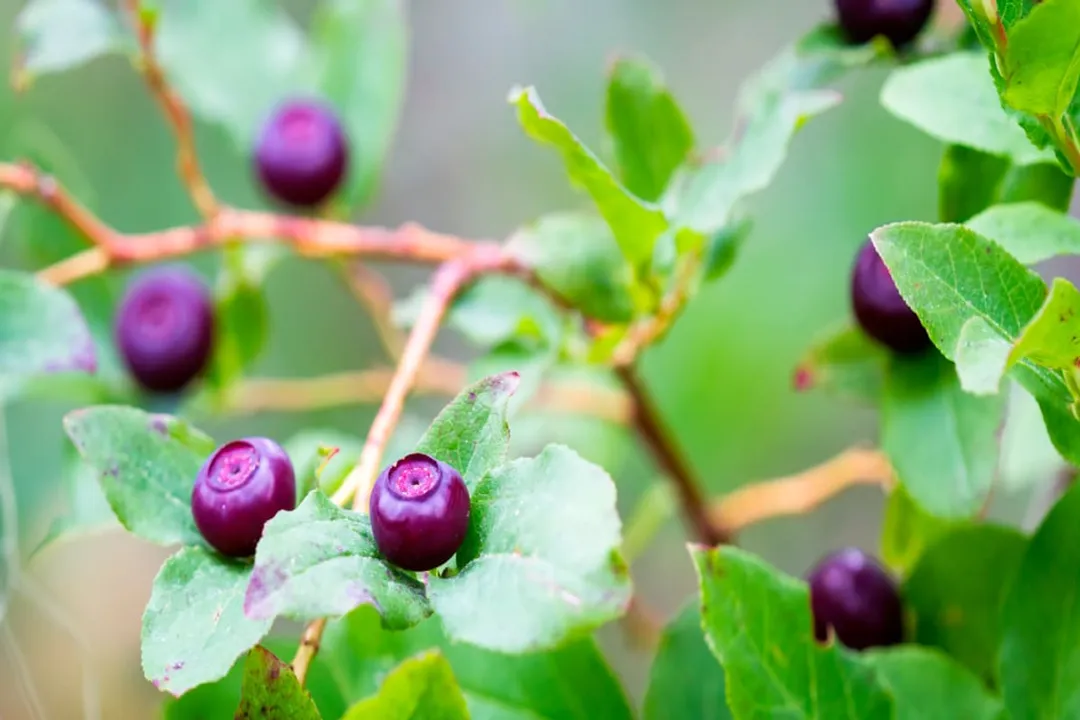
Huckleberries are small, intensely flavored berries that carry a deep history, particularly within Indigenous cultures across North America. While they often stand in the shadow of more commercially popular relatives like blueberries, these tangy fruits, which grow on deciduous shrubs, offer a nutritional profile that demands attention. Found primarily in temperate regions, including the wild areas of the Northwestern United States, Montana, and parts of Europe, huckleberries are not all uniform; they belong to the Vaccinium and Gaylussacia genera, resulting in variations in color and taste. You might encounter dark red, deep purple, or black varieties, all distinct from the more common cultivated blueberry.
# Berry Distinction

The most immediate difference between a huckleberry and a blueberry, beyond the cluster size they grow in, often lies in the texture experienced when you bite into them. Huckleberries possess seeds that are relatively larger and possess a slight bitterness, lending a subtle crunch to the experience. In contrast, blueberries are known for their soft interior and softer seeds. Furthermore, while the outside appearance can be deceiving, the interior flesh of a blueberry is typically white, whereas the flesh of a huckleberry is often dark purple or red. This textural difference is something to keep in mind when planning recipes; if you are aiming for a perfectly smooth purée for a delicate sauce, the seeds in huckleberries might require extra straining compared to their smoother counterparts. For those foraging in the wild, recognizing species like the Evergreen Huckleberry (Vaccinium ovatum), which has glossy, evergreen leaves and whose berries ripen late in the fall, around October or November, is important for seasonal harvesting. Native American tribes in the Pacific Northwest traditionally esteemed these late-ripening berries, sometimes traveling long distances for them, and noting that they taste even better after being naturally frozen.
# Nutritional Profile
When assessing the health value of these small orbs, it becomes clear why they have been valued for so long: they are dense with essential compounds. Nutritionally, huckleberries share common ground with other members of the Vaccinium genus, providing significant amounts of Vitamin C, Vitamin B complexes, and Vitamin A (in the form of beta-carotene). Potassium is also present, playing a part in essential bodily functions.
A look at the macronutrients shows a fruit that is low in calories. One hundred grams typically yields about 37 calories, containing minimal fat (around 0.1 grams) and protein (around 0.4 grams). The carbohydrate content hovers around 8.7 to 9 grams per 100 grams, which includes dietary fiber. One report suggests that half a cup of fresh berries offers 21 grams of fiber, indicating a very high concentration, and in some analyses, sugars are reported as 0 grams per 100 grams. They also provide small but notable percentages of the daily value for iron and calcium.
# Antioxidant Strength
The true star of the huckleberry's nutritional show is its exceptional concentration of phytochemicals, particularly anthocyanins and polyphenols. These powerful compounds are the source of the berry’s deep coloration, with darker varieties generally indicating higher antioxidant levels. Research suggests that huckleberries, along with related berries, rank among the richest sources of these protective compounds across nearly all foods, sometimes quantified by their Oxygen Radical Absorbance Capacity (ORAC) score.
Anthocyanins and polyphenols are fundamentally linked to fighting oxidative stress—the cellular damage caused by unstable molecules known as free radicals. By neutralizing these free radicals, the compounds present in huckleberries offer potential anti-aging benefits both internally and externally, which may contribute to slowing the visible signs of skin aging. Beyond general protection, specific compounds like pterostilbene have been identified in these berries; this compound is a derivative of resveratrol and functions as an antioxidant that actively helps combat free radical damage. The presence of these high-level antioxidants is often cited as a primary reason huckleberries are linked to defense against various chronic diseases.
# Heart Support
The same powerful antioxidants that fight cellular damage also contribute significantly to cardiovascular wellness. A diet incorporating foods rich in polyphenols can support arterial health, help modulate inflammation within the system, and promote healthier cholesterol profiles. The presence of potassium is also key here, as it assists the body in regulating blood pressure levels. By contributing to lower blood pressure and managing cholesterol, huckleberries offer multiple avenues for supporting a strong heart. Furthermore, the berries are associated with protection against general heart disease.
# Digestive and Metabolic Function
Huckleberries are an excellent source of dietary fiber. This fiber content is crucial for digestive health, aiding in smooth processing and supporting a beneficial gut microbiome, which in turn may lower the risk associated with several gut-related chronic conditions. Fiber also has the added benefit of assisting in weight management efforts.
Metabolically, the combination of B vitamins and iron found in huckleberries is important. Iron is necessary for the creation of new red blood cells, helping to prevent the fatigue associated with iron deficiency anemia. The B vitamins, meanwhile, are essential components in various metabolic processes. Proper functioning of nerve and muscle tissues, including the heart muscle and skeletal muscles, is supported by the potassium content.
# Vision and Skin Protection
Two areas where huckleberries show specific promise relate to the maintenance of the eyes and skin, thanks largely to their Vitamin A (or beta-carotene) and Vitamin C content. Adequate intake of these vitamins is associated with supporting overall vision health. Specifically, consumption may help ward off age-related conditions such as cataracts and macular degeneration, a primary cause of vision loss. Topically, the antioxidants help promote skin cell turnover, which can contribute to a more youthful appearance as one ages. Some evidence even suggests that nutrients within wild huckleberries can be helpful in addressing common skin irritations like eczema.
# Wild vs. Cultivated Advantages
For those who have the choice, understanding the difference between wild mountain huckleberries and cultivated blueberries reveals why the wild variety often garners higher praise, not just for folklore, but for nutritional intensity. Wild mountain huckleberries frequently boast a superior flavor profile, described as an intense mix between a raspberry and a blueberry. This difference in taste stems from the varied minerals and natural habitats in which wild berries grow, contrasting with the more uniform conditions of industrial agriculture.
Wild growth means the berries develop without synthetic fertilizers or pesticides, leading to what some perceive as a purer, healthier fruit available for consumption. Furthermore, the natural stresses endured by plants growing in the wild can stimulate the production of higher concentrations of beneficial phytochemicals, potentially boosting the levels of antioxidants compared to their farmed counterparts. Choosing wild-harvested berries also intersects with sustainability; it supports local foragers, preserves cultural harvesting traditions, and minimizes the environmental impact associated with large-scale monoculture farming, which can involve deforestation and heavy water usage.
# Culinary Integration and Storage
The versatility of huckleberries means they can be enjoyed in numerous ways, much like their blueberry cousins. They are wonderful eaten fresh, tossed into morning oatmeal or salads, or mixed into yogurt. For preservation, they shine in classic preparations like pies, cobblers, muffins, jams, jellies, and syrups. If you find yourself with a seasonal bounty, immediate action is necessary, as they are rarely found in standard supermarkets outside of their growing region.
This limited availability outside of peak season—typically late summer in the Pacific Northwest—underscores the value of preservation techniques. Drying the berries, or freezing them, perhaps even as a purée, ensures you can access their health advantages year-round. If you are near an area where they grow, like the Western US, asking local residents, Forest Service offices, or Extension services can often point you toward local berry stands or established picking spots.
# Traditional Uses and Caveats
Historically, the uses of huckleberries extended beyond simple nutrition. Native Americans incorporated various parts of the shrub—flowers, leaves, and fruit—into traditional medicine, using them for ailments ranging from infections to pain. For instance, the leaves of the Evergreen Huckleberry have been traditionally used by herbalists to help stabilize blood sugar levels in diabetes cases, with some medical research indicating that leaf extract can indeed lower blood sugar shortly after administration. The leaves can be dried and steeped to create a fruity, caffeine-free tea.
Despite their many advantages, careful consumption is advised. Individuals sensitive to related berries like cranberries or bilberries should proceed with caution, watching for any signs of allergic reaction such as hives or mouth tingling. Additionally, consuming berries that are not fully ripe may lead to mild toxicity. In terms of quantity, eating too many huckleberries at once can irritate the digestive system, potentially causing stomach cramps or diarrhea. It is always wise to start with a small portion to gauge personal sensitivity. Should you encounter any unidentified wild berries, never assume edibility; confirmation of the species is non-negotiable when foraging. If you decide to cultivate them, remember that these shrubs generally prefer acidic, well-drained soil and thrive best with a mix of shade and filtered light.
Related Questions
#Citations
Wild Huckleberries- A Simple Boost to Your Health
[PDF] Health Benefits of Huckleberries
What Is a Huckleberry? Benefits, Nutrition, Recipes, Side Effects
The Benefits of Wild Mountain Huckleberries Over Cultivated ...
[PDF] EVERGREEN HUCKLEBERRY - USDA Plants Database
Five Health Benefits of Huckleberries
Huckleberries: History, Health Benefits, Uses, Precautions And ...
Huckleberry - Farm Star Living