Health Benefits of Honeyberry
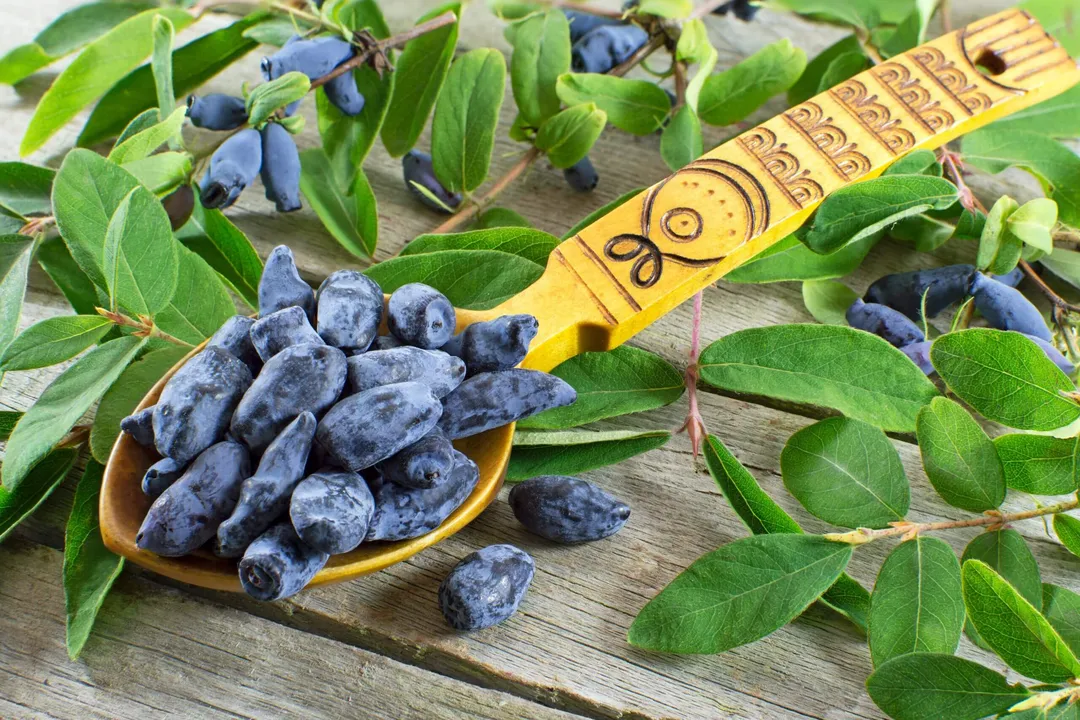
The honeyberry, sometimes called haskap, is emerging from relative obscurity to stake its claim as a notable addition to the world of nutrient-dense superfruits, offering a unique combination of flavor and high levels of beneficial compounds. [1][6][10] This small, elongated blue fruit, native to regions of northern Asia, is increasingly being cultivated globally, partly due to its hardiness in colder climates. [5][7] For many consumers, it represents a new, local, and seasonal option for incorporating more antioxidants into their diet. [5] It is botanically known as Lonicera caerulea, distinguishing it from the toxic red berries of other Lonicera species. [6] The flavor profile is often described as a tangy mix reminiscent of blueberries, raspberries, and black currants, making it surprisingly versatile for fresh eating or processing. [2][10]
# Berry Identity
Understanding what you are eating is the first step toward appreciating its benefits. The honeyberry is botanically distinct, belonging to the honeysuckle family, Lonicera caerulea. [6] While it shares a genus with common ornamental honeysuckles, it is the one species prized for its edible fruit. [6] In several regions, particularly where it is gaining traction for commercial cultivation, it is known by its Japanese name, haskap. [5] This fruit ripens quite early in the season compared to many other soft fruits, sometimes even preceding strawberries, which speaks to its potential for extending the local fruit-eating window. [5][7]
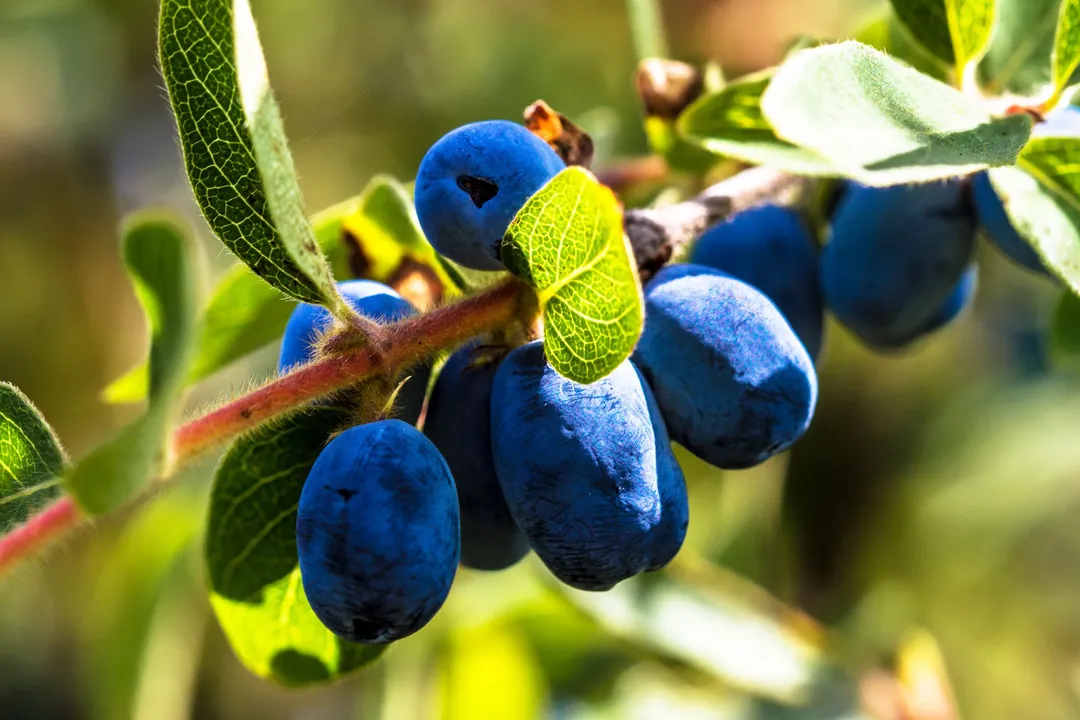
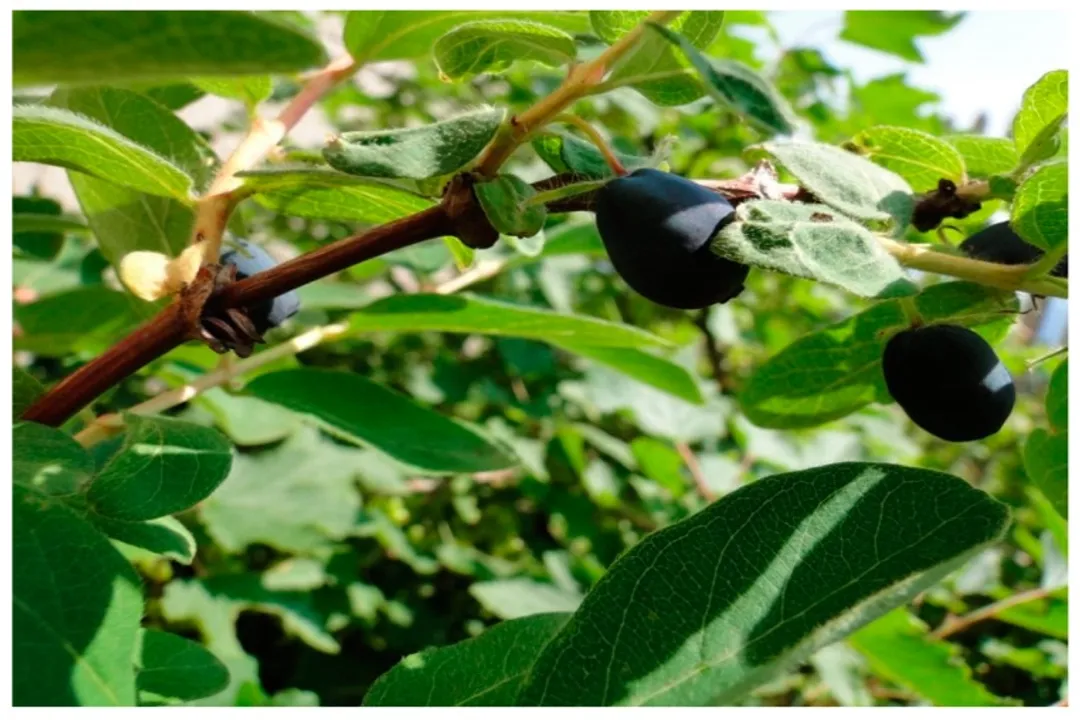
The appearance of the berry is somewhat unusual; it is typically oblong or cylindrical, unlike the round shape of a blueberry. [6][8] Its skin is a deep blue color, often covered with a slight, natural bloom, and the flesh inside is usually purple or blue. [8][10] This vibrant coloring is a direct indicator of its powerful nutrient composition.
# Nutrient Profile
The rising interest in the honeyberry is strongly linked to its impressive nutritional makeup, positioning it firmly in the "superfruit" category. [1] Like many dark-skinned berries, its value lies in its concentration of phenolic compounds, which act as powerful antioxidants. [3]
# Antioxidant Content
The presence of significant amounts of antioxidants is perhaps the most frequently cited health attribute of the honeyberry. [1][3] These compounds help combat oxidative stress in the body, which is linked to aging and various chronic diseases. [3] Studies have indicated that honeyberries contain high levels of total phenolic content and anthocyanins. [3] Anthocyanins are the pigments responsible for the deep blue and purple hues in many fruits and vegetables, and they are particularly recognized for their protective effects on the cardiovascular system and their potential anti-inflammatory action. [3]
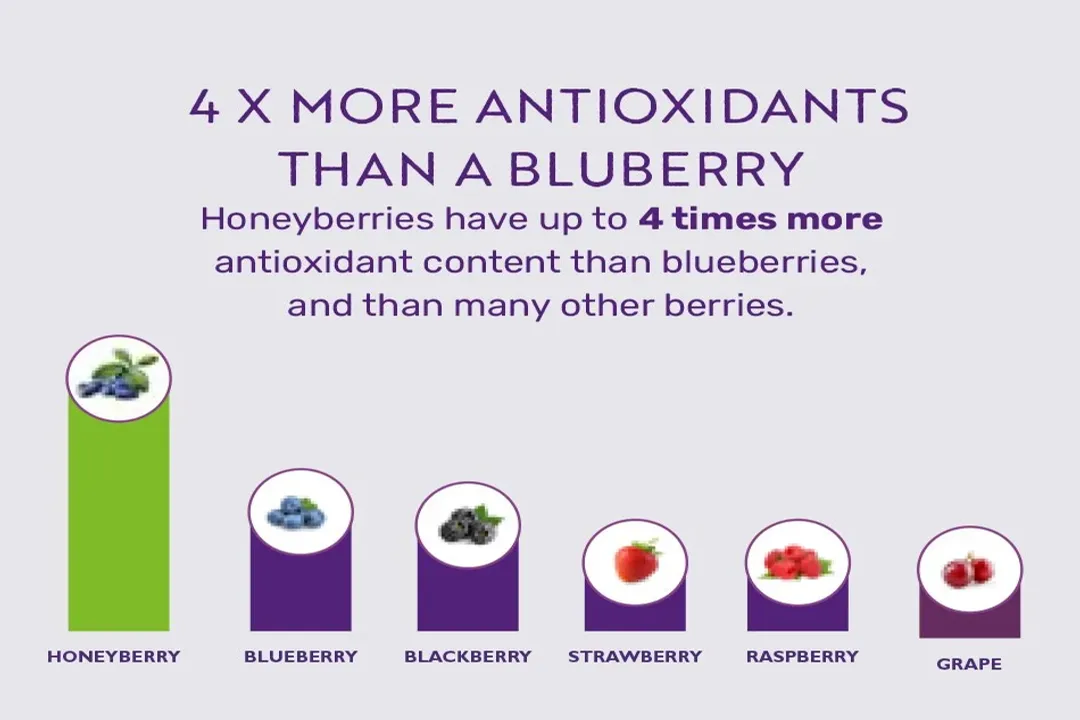
When comparing its antioxidant capacity to other common berries, the honeyberry often holds its own or surpasses them in certain metrics. For instance, the levels of antioxidants found in honeyberries are comparable to, or sometimes higher than, those found in familiar fruits like blueberries and raspberries. [1] This makes it a strong candidate for inclusion in diets focused on disease prevention through nutrition. [3]
# Key Compounds
Beyond general antioxidant capacity, honeyberries provide specific beneficial substances. They are a source of various bioactive components, including polyphenols, which have been researched for their roles in reducing inflammation and scavenging free radicals. [3] Furthermore, the berries contain essential vitamins and minerals, though the exact profile can vary based on growing conditions and cultivar. [1] They are known to contribute to daily intake of Vitamin C and certain B vitamins. [2]
To offer some context on how these components accumulate, consider the growing environment. A plant thriving in cooler, northern climates, where it needs protection from harsh conditions, often concentrates protective secondary metabolites like phenolics. This natural defense mechanism translates directly into a higher concentration of beneficial compounds for the consumer. [5] This inherent hardiness is something to keep in mind when selecting local produce; a berry that has successfully weathered a tough growing season might be packing an extra nutritional punch.

# Health Effects
The specific compounds within honeyberries translate into several potential benefits for human health, often centering on systemic protection and improved bodily function.
# Cognitive Support
One area of particular interest highlighted in research is the impact of honeyberry consumption on brain health. [3] The high concentration of polyphenols is thought to play a role in neuroprotection. Oxidative damage is a factor in cognitive decline, and by mitigating this damage, the bioactive compounds in honeyberries may support better brain function and potentially guard against age-related mental health issues. [3] While more human trials are often needed to cement these claims, the in vitro and animal studies point toward this promising area of benefit.
# Vision Health
Berries rich in anthocyanins are commonly associated with eye health, and honeyberries are no exception. [3] These pigments are believed to help maintain the integrity of blood vessels, including those in the eyes, and may offer protection against conditions exacerbated by free radical damage, such as cataracts or macular degeneration. [3] Integrating these fruits regularly could be a simple dietary step toward protecting sight over the long term.
# Immune System
The presence of Vitamin C, alongside the broader antioxidant profile, supports a healthy immune response. [2] A strong intake of antioxidants helps keep the body’s systems running optimally, enabling the immune system to respond effectively to challenges. [3]
# Culinary Use
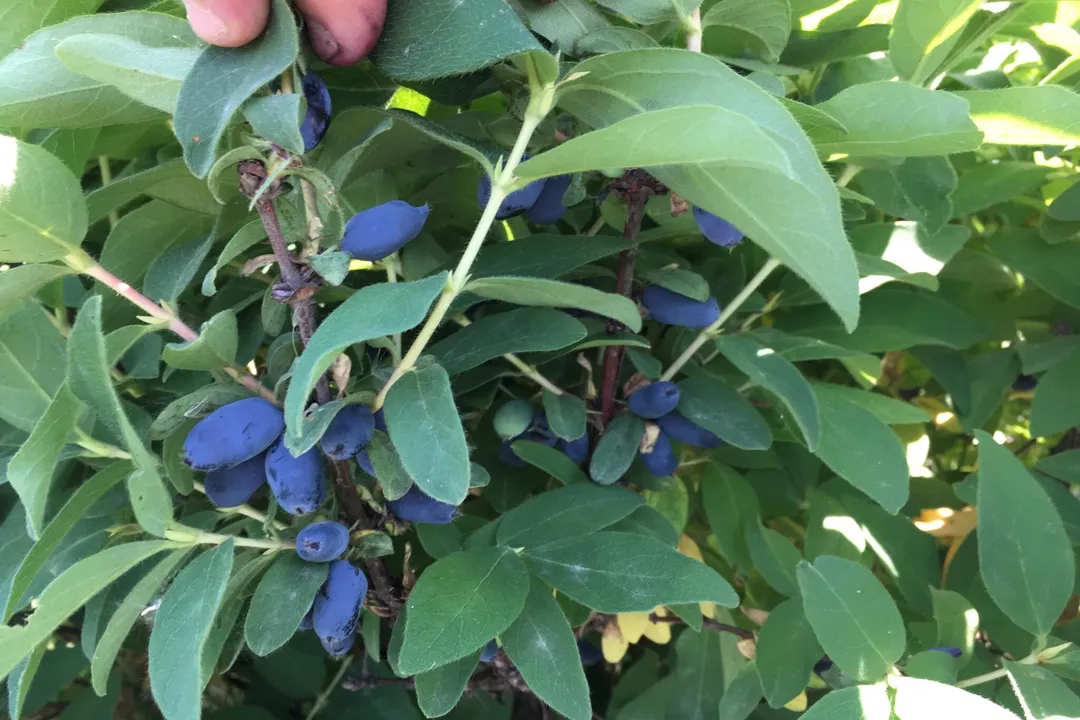
While the health profile is compelling, the fruit needs to be appealing enough for regular consumption, and fortunately, the honeyberry delivers on taste and versatility. [2][10]
# Fresh vs. Processed
Honeyberries are excellent eaten fresh right off the bush due to their sweet-tart flavor. [2] However, their structure and composition make them fantastic candidates for processing. [10] Because they have a slightly firmer skin than some other berries, they hold up well in various preparations. [4] They can be made into juices, jams, jellies, and incorporated into baked goods like muffins or pies. [2]
The method of preservation also matters for nutrition. While fresh is always wonderful, one highly effective way to ensure you benefit from these berries year-round, regardless of your local growing season, is freezing. [4] Freezing fresh-picked berries quickly after harvest generally locks in the majority of their vitamins and antioxidant capacity, meaning frozen honeyberries are an excellent, nutrient-dense staple for smoothies and winter cooking. [4] For instance, a simple, easy dessert involves macerating frozen honeyberries with a touch of sweetener and serving them over yogurt or ice cream—a quick way to get a serving of potent antioxidants. [2]
# Growing Considerations
For home gardeners, honeyberries present a low-maintenance option compared to some fussier fruits. [7] They thrive in cooler climates and are quite cold-hardy, which is why they are gaining popularity in northern latitudes. [7] They generally require full sun for the best fruit production. [7] A practical consideration for any gardener or small-scale producer is that most honeyberry varieties require cross-pollination, meaning you need at least two different cultivars planted near each other to ensure a good yield. [7] If you are planning a small patch, selecting two distinct varieties (for example, one early ripener and one mid-season ripener) will significantly increase your overall harvest volume.
# Final Thoughts on Integration
The honeyberry offers more than just a pleasant taste; it provides a concentrated source of proven health-promoting compounds, particularly those excellent antioxidants that fight cellular stress. [1][3] As a local and seasonal fruit in many growing areas, it supports smaller agricultural efforts while providing consumers with a high-value nutritional choice. [5] Whether you are buying them frozen from a reputable supplier to ensure year-round access, or enjoying them fresh during their short season, incorporating this tart blue gem into your diet is an accessible way to boost your intake of beneficial polyphenols and vitamins. [2][4]
Related Questions
#Citations
Honeyberries - The Next Nutrient-Rich Superfruit | Lyman Orchards
Honeyberry: Benefits, Nutrition And Delicious, Easy To Make ...
Health Properties and Composition of Honeysuckle Berry Lonicera ...
Fresh Frozen Organic Honeyberries - Northwest Wild Foods
Honeyberry or Haskap - another healthy, local and seasonal berry ...
The Science | Explore Natural Benefits - Scottish Honeyberry Growers
Meet Honeyberry: A Blueberry-Like Fruit Full of Antioxidants
Honeyberries - Blue Fruit Farm
What to do with 14 lbs of haskaps? - Facebook
Healthy, tasty and blue: Meet the honeyberry - SVZ International