Health Benefits of Guarana

The extract from the Paullinia cupana plant, known commonly as guarana, carries a rich history rooted deep in the Amazon basin, where indigenous tribes recognized its potent properties centuries ago. While today it is heavily integrated into the modern energy drink industry, often masking its original form, the plant seed itself offers a fascinating profile of bioactive compounds worth understanding outside of those heavily processed beverages. From ancient remedies for fever and fatigue to contemporary supplements promising better focus, guarana presents a complex picture of potential benefits balanced by the effects of its most famous constituent: caffeine.
# Amazonian Roots
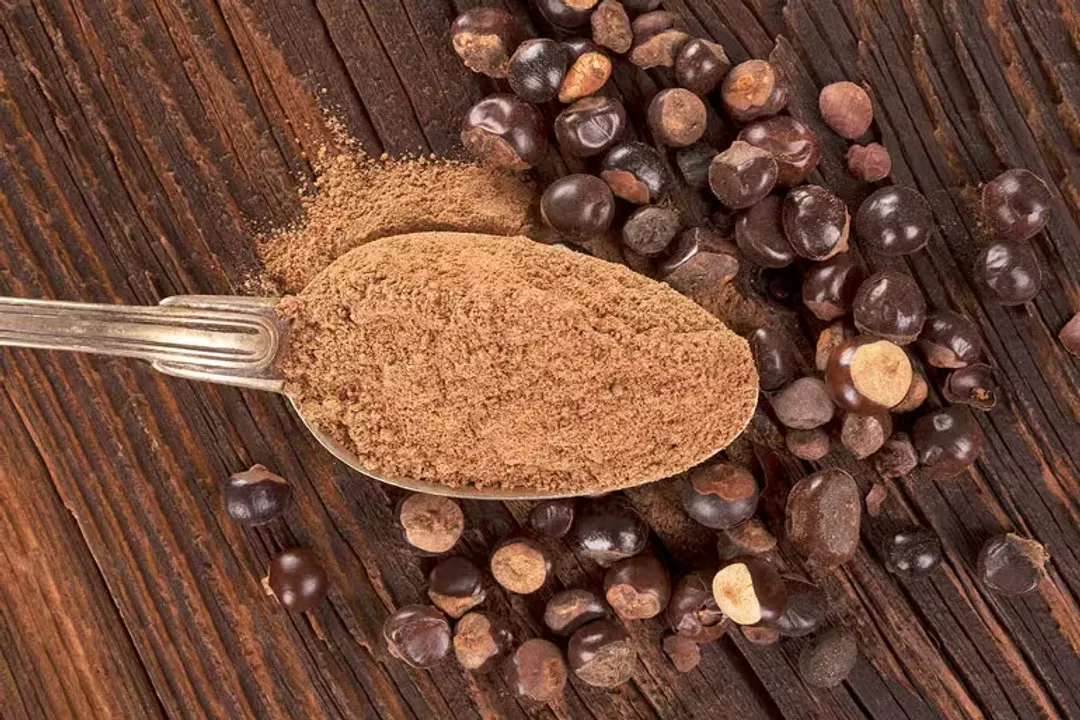
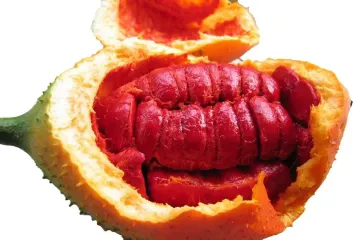
Guarana is a climbing vine belonging to the Sapindaceae family, found naturally in the Amazon region, particularly prevalent in Brazil. Its fruit is visually striking, often described as resembling a human eye, featuring a red shell that splits to reveal a black seed covered by a white aril. Traditionally, Amazonian peoples, like the Tupi and Guarani, utilized the roasted and ground seeds, often formed into a paste or kneaded into "guaraná bread," to create stimulating drinks. Their uses centered on combating fatigue, supporting endurance during long journeys, and treating ailments like headaches and cramps.
The modern commercial landscape sees about 70% of the annual guarana harvest diverted to the beverage sector, commonly powering energy drinks and sodas, with the remaining 30% turning into powder or extract form for dietary supplements. This wide application underscores its reputation as a natural energizer, yet it also raises questions about how processing affects the plant's natural integrity.
# Chemical Makeup

The powerful reputation of guarana stems from its unique phytochemical composition. Most significantly, its seeds boast an exceptionally high concentration of caffeine—sometimes cited as reaching up to 8% by dry weight, which is considerably higher than the 1–3% found in coffee beans. Guarana also naturally contains other methylxanthines, namely theobromine and theophylline, which contribute to its stimulating action.
However, guarana is more than just a caffeine delivery system. Its seeds are rich in various polyphenols, including tannins, saponins, and catechins. These compounds are responsible for its noted antioxidant properties. Interestingly, the presence of tannins and saponins within the seed may play a role in regulating how quickly caffeine enters the system, a crucial difference when comparing it to a simple cup of coffee. For instance, some studies suggest that these compounds work alongside caffeine to enhance thermogenic and antioxidant effects. Furthermore, the flavonoids present may activate cellular pathways, such as Nrf2 signaling, to boost the body's natural defenses against stress.
# Energy Boost
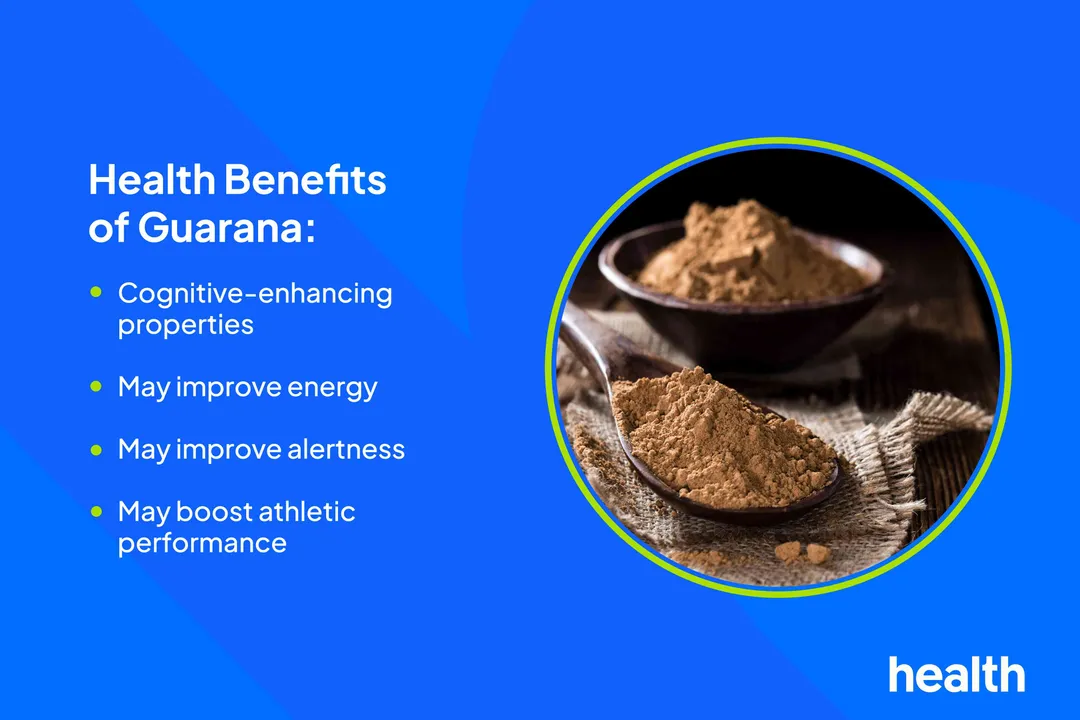
Guarana's primary fame is as a stimulant, primarily due to its high caffeine load, which acts by blocking the receptors for adenosine, a neurotransmitter associated with promoting sleepiness. By preventing adenosine from binding, guarana promotes alertness and reduces fatigue.
The way guarana delivers this stimulation sets it apart from drinking coffee. While coffee caffeine tends to release quickly, the caffeine in guarana, aided by its other components, is absorbed more slowly and is released over an extended duration. This mechanism is theorized to result in a more sustained energy boost, potentially avoiding the sharp spike and subsequent crash associated with quicker-acting stimulants. This sustained effect has made it a preferred ingredient in many pre-workout formulas and energy products aimed at improving physical endurance.
It is important to consider that while the seed has a high percentage of caffeine, the actual amount delivered in a standard supplement dose might be less than a strong cup of brewed coffee (which averages around 95 mg of caffeine per cup). The overall effect, therefore, is a product of both concentration and absorption rate. A thoughtful approach to supplementation involves calculating total caffeine intake from all sources, including guarana, to stay within recommended adult limits, generally set around 400 mg daily by the FDA.
# Cognitive Gains
Beyond general energy, guarana is frequently studied for its effects on the brain's performance capabilities. Several reviews indicate that consuming guarana is associated with improvements in alertness, vigilance, and attention.
A systematic review found that acute guarana intake could improve response time during various cognitive assessments without necessarily decreasing accuracy. This suggests a benefit in tasks where speed of processing is paramount. Other research points to potential improvements in secondary memory and mood. However, researchers consistently note that separating the effects of guarana’s unique compounds from the effects of its significant caffeine content remains challenging. Since caffeine itself is a known cognitive enhancer via adenosine antagonism, determining the specific non-caffeine benefits of guarana requires more highly controlled, caffeine-matched studies. Until more in-depth human data is available, guarana should be viewed as a modest, task-specific stimulant.
# Metabolic Effects
In the realm of body composition and metabolic health, animal research has provided promising, though preliminary, data suggesting guarana supports weight management. In rat models fed high-fat diets, guarana powder supplementation was observed to prevent negative biological outcomes like weight gain, insulin resistance, and metabolic dysregulation.
The proposed mechanisms appear to involve stimulating the body's calorie-burning processes. Guarana seems to promote the expansion of brown adipose tissue (BAT), which is responsible for burning calories to generate heat, and increases energy expenditure. It may also affect the expression of genes related to fat cell production, potentially suppressing fat cell formation while encouraging genes that slow it down. Furthermore, it has been shown in some contexts to improve insulin sensitivity and reduce levels of triglycerides and LDL cholesterol.
It is vital to remember that results from animal models do not always translate directly to humans. While observational studies involving older adults in guarana-producing regions suggested an association with lower obesity and metabolic syndrome rates, rigorously controlled human trials are still required to confirm these anti-obesity and metabolic benefits. If someone is considering guarana for weight management, they should view it as a potential metabolic adjunct, not a standalone solution, always integrating it with balanced nutrition and consistent physical activity.
# Heart Protection
Heart health is another area where guarana has garnered interest, largely because of its antioxidant profile. Heart disease remains a leading cause of death in the U.S., and factors like oxidized "bad" LDL cholesterol contribute to arterial plaque buildup.
Research published in 2022 indicated that guarana's antioxidant properties might help manage cardiovascular risk by potentially decreasing the oxidation of LDL cholesterol when tested in vitro. Additionally, some observational studies noted that individuals who habitually consumed guarana showed an association with lower severity of metabolic syndrome—a grouping of conditions that increase heart disease risk—along with lower cholesterol and blood pressure levels. These benefits may stem from improved blood flow and the prevention of blood clots, both aided by antioxidants. Additional high-quality research is necessary to fully quantify the extent to which regular guarana intake directly lessens the impact of metabolic syndrome in the general population.
# Inflammation Relief
Guarana's blend of caffeine and polyphenols suggests it possesses notable anti-inflammatory capabilities. In a comparison study involving rats with elevated cholesterol, guarana powder demonstrated a more significant impact on reducing inflammation than caffeine administered alone. This broader action, beyond simple caffeine antagonism, points toward the polyphenols contributing to overall cellular protection.
This anti-inflammatory action is also theorized to play a role in pain management. Caffeine, through its interaction with adenosine receptors that stimulate pain signals, acts as a known pain modulator, which is why it is frequently included in over-the-counter pain relief formulas. One small clinical trial involving patients undergoing radiation treatment for head and neck cancer found that daily consumption of dried guarana extract led to reported pain relief.
# Other Uses
The protective attributes of guarana extend into several other areas supported by preliminary or lab-based evidence. Due to its strong antioxidant and antimicrobial properties, it is a popular additive in cosmetic products like lotions and soaps, sometimes claimed to improve skin blood flow. In the digestive tract, one study observed that guarana was effective in modifying E. coli metabolism to reduce the production of bacterial folate, a process thought to contribute to tissue damage and inflammation in conditions like Crohn's disease or ulcerative colitis.
For eye health, an aging concern often linked to oxidative stress, one preliminary study suggested an association between regular guarana consumption and reduced oxidative damage in retinal cells, with regular users reporting better self-assessed vision than infrequent users. While these findings are encouraging, they are based on limited human data and require further investigation to establish clinical relevance. Similarly, lab studies suggest guarana may possess anticancer properties, improving chemotherapy effectiveness against breast cancer cells in vitro, though human clinical support is currently absent.
# Safety Profile
The risks associated with guarana consumption are overwhelmingly linked to its very high caffeine content. In moderate doses, guarana is generally considered safe, but high intake can easily lead to side effects mirroring caffeine overdose. These common adverse reactions include insomnia, anxiety, restlessness, jitteriness, tremors, upset stomach, and elevated heart rate or tachycardia.
For individuals who consume high amounts over time, tolerance and physical dependence can develop, with withdrawal symptoms like headaches appearing upon cessation. In severe cases of overdose, there is a risk of heart arrhythmia, and at least one case report suggests potential for seizures, particularly when combined with other stimulants found in energy drinks.
It is essential to be cautious regarding drug interactions. Because of its caffeine and potential enzyme interactions, guarana can alter the metabolism of certain drugs. It may block the action of adenosine drugs used for heart conditions or stress tests. Furthermore, it may increase the effects of blood thinners by decreasing clotting, and it could potentially worsen symptoms for those taking the antipsychotic drug clozapine. Due to these concerns, anyone with pre-existing conditions like high blood pressure, anxiety disorders, glaucoma, or heart conditions should avoid guarana unless cleared by a physician. Pregnant or breastfeeding individuals should also avoid it, as caffeine crosses the placenta and is present in breast milk.
# Dosage Guidance
There is no universally established guideline for guarana dosage because research varies widely in product standardization, co-ingredients, and concentration. Generally, suggested doses in studies or supplements range from 200 to 1,000 milligrams of extract per day. However, the focus should remain on the total caffeine intake. The FDA suggests that healthy adults aim for no more than 400 mg of caffeine daily from all sources combined.
If you are managing your intake, it is helpful to note that consuming guarana extracts later in the day is highly likely to interfere with sleep due to the slow release of its active stimulant. One useful metric for personal adjustment is understanding that abrupt discontinuation of a daily habit might trigger withdrawal symptoms; therefore, if you decide to stop, a gradual reduction is often advised to minimize discomfort. For personalized guidance on frequency and safe intake levels, consulting a registered dietitian or healthcare provider is crucial before starting any regimen, especially given the FDA's lack of specific regulation for supplement purity.
To put this into a practical context for the average user: if a typical coffee contains roughly 100 mg of caffeine, and a guarana supplement dose is 500 mg of extract, you need to know how much caffeine that 500 mg extract contains. Since seed caffeine content can be 2% to 8%, a 500 mg dose might contain anywhere from 10 mg to 40 mg of caffeine, plus other stimulants. This makes guarana extracts seem relatively mild per milligram dose compared to coffee, yet the slower release means the stimulating impact lasts longer, increasing the overall potential for a later-day sleep disturbance if taken too late. This difference in absorption kinetics is a key factor to monitor for sustained focus without energy volatility.
Always prioritize consulting a medical professional, especially before mixing guarana with prescription drugs or if you have underlying health concerns, to ensure safe consumption.
Related Questions
#Citations
12 Benefits of Guarana (Plus Side Effects) - Healthline
Guarana: 12 benefits, side effects, and safety - Medical News Today
Effects of the consumption of guarana on human health - PubMed
5 Health Benefits of Guarana and Its Side Effects Explained
Is Guarana Safe? Health Benefits, Side Effects, and Recommended ...
Guarana - WebMD
No, Your Guarana-Laced Energy Drink Isn't a Health Food
How Guarana Benefits Your Body and Brain - Verywell Health
Benefits of Guarana: Energy, Focus and Health Properties - QNT Sport
Guarana as a natural energy booster