Health Benefits of Grapefruit

The vibrant, slightly bitter, and wonderfully refreshing taste of grapefruit has secured its place as a breakfast staple for many, but its appeal runs much deeper than just its zesty flavor. This large citrus fruit packs a substantial punch when it comes to nutrition, offering a wide array of vitamins, minerals, and potent antioxidants that support various bodily functions. [1][8] From supporting weight management efforts to providing essential immune support, understanding what this segmented wonder contributes to your diet reveals why it’s consistently ranked as a nutritional heavyweight among fruits. [2]
# Key Nutrients
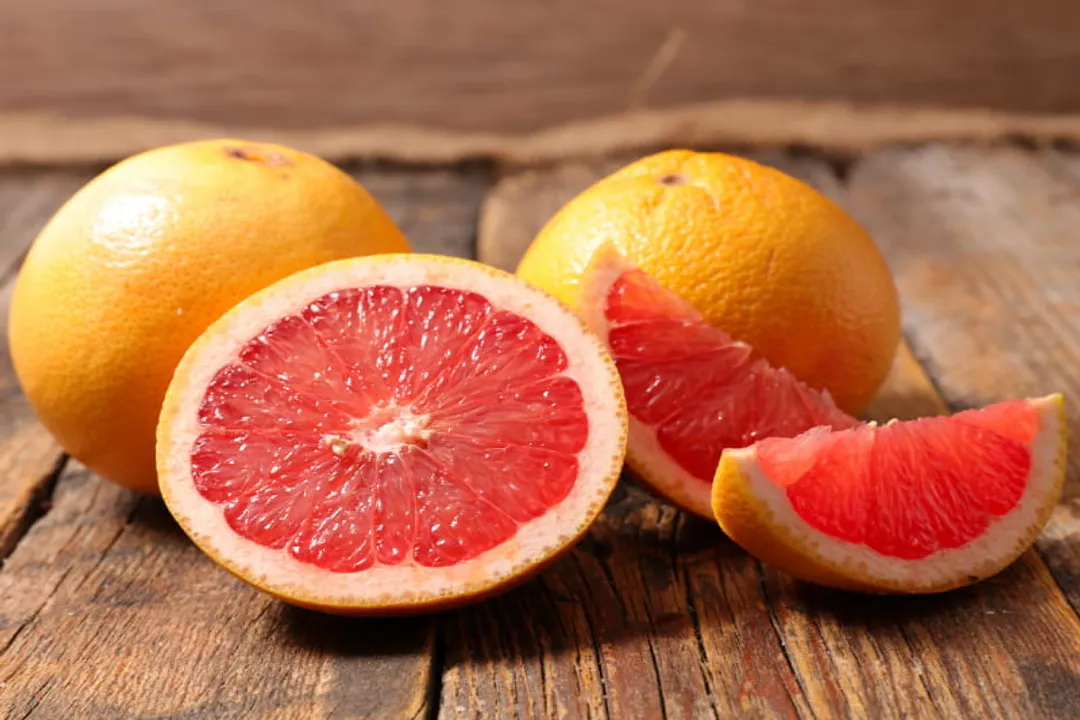
Grapefruit is notable for its high content of certain essential vitamins despite being relatively low in calories. [2][9] A single medium grapefruit contains only about 50 calories but delivers a significant portion of the daily recommended intake for key micronutrients. [8]
The most famous component is Vitamin C. This powerful antioxidant is vital for maintaining a strong immune system, aiding in collagen production, and helping to protect cells from damage caused by free radicals. [9] You can generally expect a good supply of Vitamin C from just one serving. [1]
Beyond Vitamin C, grapefruit is a source of Vitamin A, primarily through its beta-carotene content, which is crucial for good vision. [2] It also provides potassium, an important mineral for managing blood pressure, and it contains smaller amounts of Vitamin E, thiamine (B1), magnesium, and folate. [2][8] Furthermore, the fruit boasts several unique plant compounds, or phytochemicals, that contribute heavily to its recognized health advantages. [3]
# Weight Management

For those looking to manage or reduce their weight, adding grapefruit to the daily routine can be a sensible addition. [2] This benefit stems from two primary factors: its water content and its fiber composition. [2]
Grapefruit has a high water content, which contributes to making you feel fuller faster, helping to control overall calorie intake throughout the day. [9] When paired with its significant fiber content, this fullness effect is amplified. [2] Fiber not only aids satiety but also supports digestive regularity. [2]
Considering that a whole, medium grapefruit hovers around the 50-calorie mark and contains about 2 grams of fiber, it presents a very low energy density food choice. This means you consume a relatively large volume of food for very few calories, which is an effective strategy for long-term weight control. [2]

# Heart Support
The nutritional makeup of grapefruit lends itself well to supporting cardiovascular health through several mechanisms, impacting everything from blood flow to cholesterol levels. [8]
Potassium is a key player here. Adequate potassium intake helps to balance the negative effects of sodium by promoting the relaxation of blood vessels, which in turn can help keep blood pressure within a healthy range. [2]
Grapefruit is also known for specific carotenoids and flavonoids. For example, it is a good source of lycopene, the same powerful antioxidant found in tomatoes, which is associated with reducing the risk of heart disease. [3][8] Furthermore, the presence of compounds like naringenin and naringin may play a part in lowering cholesterol levels and reducing inflammation, both significant factors in maintaining clear arteries. [3] If you opt for the pink or red varieties, you benefit from higher lycopene concentrations compared to the white varieties. [8]
# Disease Protection
The antioxidant properties inherent in grapefruit are often discussed in the context of warding off chronic diseases, particularly certain cancers and metabolic issues. [3]
The high intake of Vitamin C contributes to overall cellular defense against oxidative stress. [1] More specifically, the carotenoids, such as lycopene, are studied for their ability to inhibit the growth of cancer cells. [3] Some research suggests that grapefruit compounds may offer protection against cancers like those of the esophagus, stomach, and pancreas. [3]
Another interesting aspect relates to blood sugar regulation. While grapefruit is a fruit and contains natural sugars, it has a low glycemic index (GI). [2] Some studies indicate that compounds in grapefruit, like naringenin, might help improve insulin resistance, making it a potentially beneficial fruit for people monitoring their blood sugar. [3] When consuming the whole fruit instead of juice, you maximize the benefits of the fiber, which further helps in slowing sugar absorption. [4]
# Enhancing Vision
Maintaining good eyesight relies on a steady supply of specific vitamins, and grapefruit contributes positively to this maintenance. [7] The fruit provides beta-carotene, which the body converts into Vitamin A. [2] Vitamin A is fundamental for good vision, especially in low-light conditions. [7] Therefore, consistently including sources of beta-carotene like red or pink grapefruit can be a simple, enjoyable way to support eye health over time. [2]
# Topical Brightening
Beyond internal consumption, the citrus nature of grapefruit has found its way into topical applications, often appreciated for its scent and perceived skin-toning qualities. [6] Grapefruit essential oil, extracted from the peel, is sometimes used in aromatherapy for an uplifting effect. [6] Its natural acidity and vitamin content are sometimes cited in beauty contexts for promoting skin brightness, though this should always be approached with caution due to potential photosensitivity. [6]

# Essential Drug Interaction Warning
While the health benefits are substantial, there is one critical piece of knowledge every consumer must have before regularly incorporating grapefruit or its juice into their diet: its significant interaction potential with various medications. [5]
Grapefruit contains compounds, notably furanocoumarins, that can inhibit an enzyme in the small intestine called CYP3A4. [5] This enzyme is responsible for metabolizing, or breaking down, roughly 50% of all prescription drugs. [5]
When grapefruit blocks this enzyme, the drug intended for metabolism is not processed as quickly. This results in much higher amounts of the active medication entering the bloodstream than intended, which can lead to side effects that range from mild discomfort to serious toxicity. [5] The FDA has documented interactions between grapefruit and dozens of drugs, including some cholesterol-lowering statins, blood pressure medications, and anti-anxiety drugs. [5]
A Practical Safety Check: If you take any prescription medication daily, treat grapefruit and its juice as incompatible with your routine until you have confirmed otherwise. You must ask your pharmacist or doctor specifically about the interaction risk for your exact medication, as the effect can persist for up to three days after consuming the fruit. [5] It is not just the juice; eating the whole fruit carries the same risk. [5]
To offer a perspective on the variability, consider this: While the white variety of grapefruit may contain lower levels of the problematic compounds compared to the ruby red variety, the risk profile remains high enough across all types that blanket avoidance while on interacting medications is the safest default position. [5] A simple rule of thumb to internalize is: if the medicine carries a warning not to consume grapefruit, adhere to it strictly, as the consequences are not trivial. [5]
# Choosing and Storing
Selecting the best grapefruit involves a bit of feel. Look for fruit that feels heavy for its size, which indicates it is juicy. [4] The skin should be relatively smooth, though some oil spotting or roughness is normal and doesn't affect the quality of the interior flesh. [4] If you plan to eat it soon, room temperature is fine, but for longer storage, keep it in the refrigerator where it can last for several weeks. [4]
When preparing it, you can halve the fruit and eat it with a spoon, perhaps sprinkled with a little sweetener if the tartness is too strong, or you can peel and segment it, ensuring you eat the white pith and membranes, as they contain much of the beneficial fiber and flavonoids. [1][4] If you are preparing it for quick consumption, segmenting it first and carefully removing the bitter white membrane surrounding each segment is an excellent preparation step that enhances palatability while preserving most nutrients. [4] This attention to detail—eating the whole segment, not just the juice sacs—maximizes the fiber benefit, which is often lost when juice is made separately. [4]
Related Questions
#Citations
Grapefruit Benefits | Johns Hopkins Medicine
10 Health Benefits of Grapefruit - Healthline
Consumption of grapefruit is associated with higher nutrient intakes ...
What are the Health Benefits of Grapefruit?
Before grabbing a grapefruit, understand its power
Top 5 Health Benefits of Grapefruits - Yon-Ka Paris
Health Benefits of Grapefruit - WebMD
Grapefruit Health Benefits - Florida Department of Citrus
What Happens to Your Body When You Eat Grapefruit Regularly