Health Benefits of Elderberry
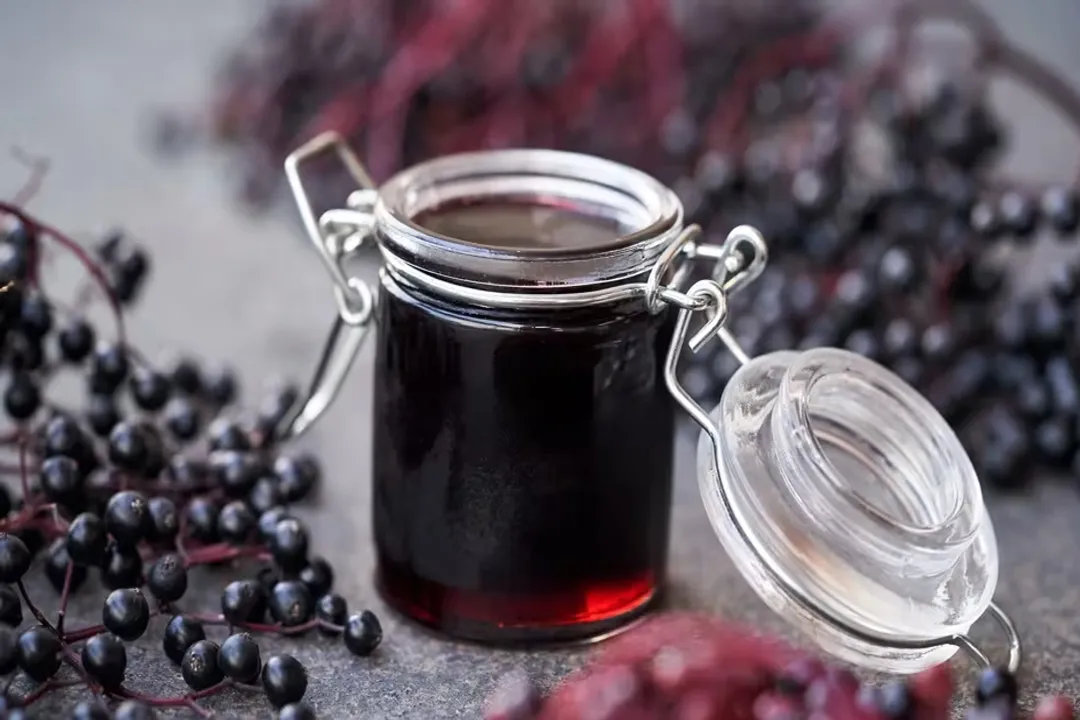
The elderberry, often referred to by its botanical name, Sambucus nigra, has a long and varied history in traditional medicine practices across different cultures. [7] Today, modern science is catching up to what folk wisdom has suggested for centuries, examining the specific compounds within these small, dark berries that may contribute to health maintenance. While often recognized for its deep, purplish-black hue, the health narrative surrounding elderberry extends well beyond simple color, touching upon immune function, metabolic balance, and antioxidant defenses. [2][4]
# Rich Composition
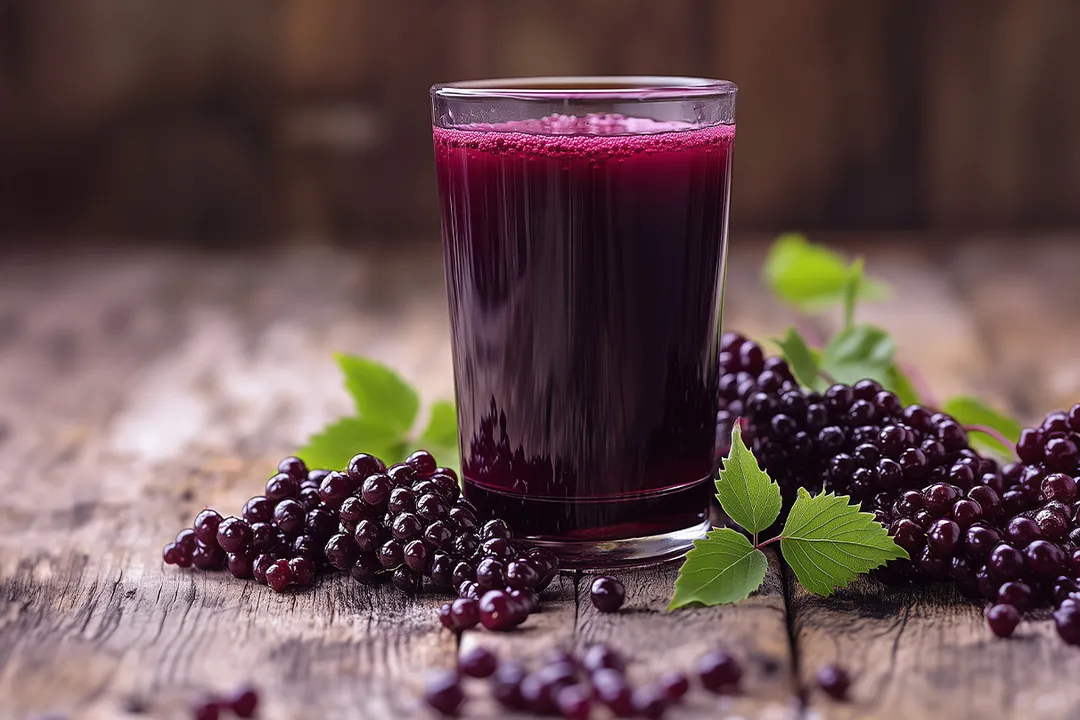
Elderberries are remarkably nutrient-dense for such a small fruit. [2] They provide a good source of dietary fiber and are packed with several vitamins and minerals essential for daily bodily functions. [2] Specifically, elderberries contain significant amounts of Vitamin C, which is well-known for its role in immune defense and collagen production. [1][2] Furthermore, they offer Vitamin A, iron, and potassium. [2] The presence of these micronutrients means that incorporating elderberry, when done safely, can be an easy way to bolster overall nutritional intake, especially during seasonal shifts when dietary variety can sometimes dip. [9]
# Antioxidant Strength
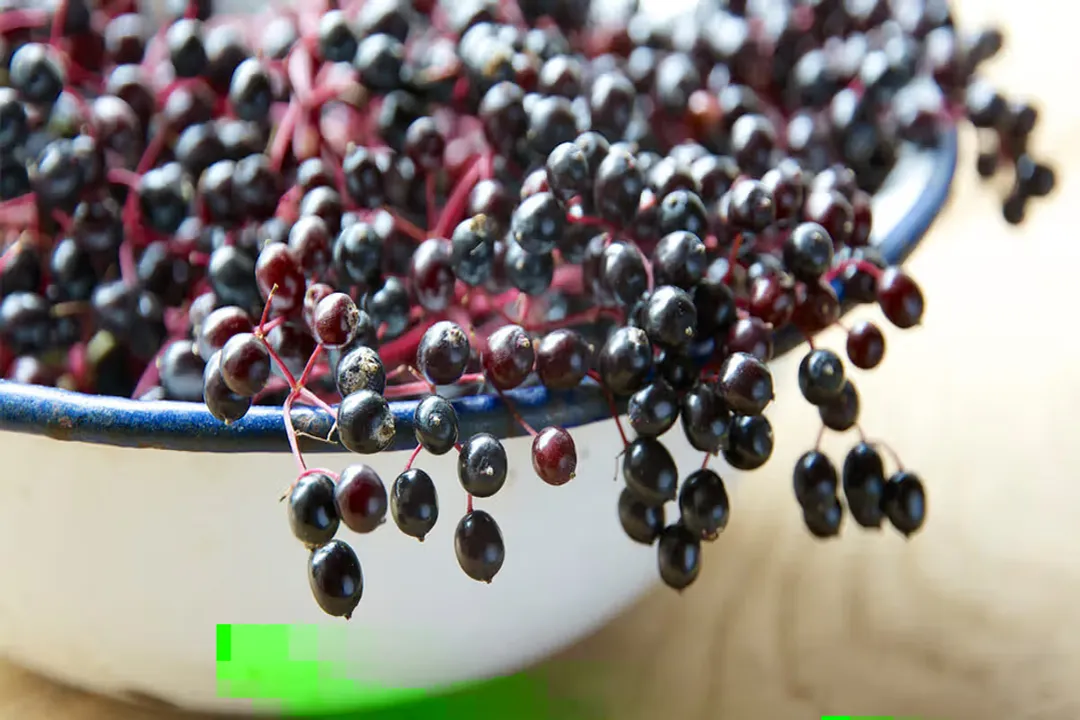
The vibrant color of the elderberry is a direct clue to one of its most celebrated attributes: a high concentration of antioxidants. [1][2] These powerful compounds work within the body to neutralize free radicals, unstable molecules that can cause oxidative stress, which is linked to chronic disease and aging. [2][5]
The specific antioxidants drawing the most attention in elderberry are the anthocyanins. [2] Anthocyanins are a type of flavonoid responsible for the red, purple, and blue pigments found in many fruits and vegetables. [2][10] When comparing elderberry's antioxidant capacity to other deeply colored fruits, such as dark grapes or blueberries, elderberry often shows comparable, or in some studies, even higher levels of total antioxidant activity due to its unique profile of these polyphenolic compounds. [2][10] This means that consuming elderberry products might offer a concentrated dose of these protective agents in a single serving. [5] This protective action is thought to stem from their ability to scavenge reactive oxygen species, offering support at a cellular level. [5]

# Immune Response
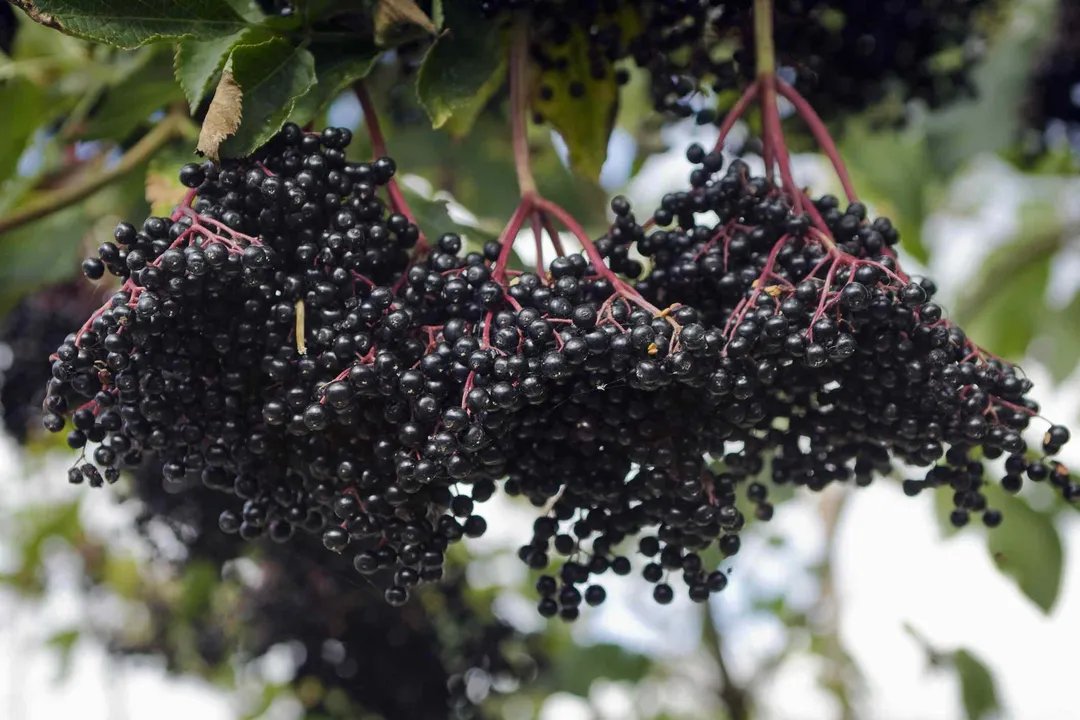
Perhaps the most common reason people seek out elderberry supplements or syrups is for support during cold and flu season. [1][4] Research suggests that elderberry extract may influence the body's immune response when facing viral challenges. [1][4]
One area of focus is the potential for elderberry compounds to inhibit certain viruses from entering host cells or to reduce viral replication rates. [5] While not a replacement for vaccines or standard medical care, studies investigating elderberry extract in human trials have indicated a potential to reduce the severity and duration of cold and flu symptoms when taken shortly after the onset of illness. [1][4] For instance, some clinical observations suggest that individuals taking elderberry might experience symptoms for a shorter period compared to those taking a placebo. [4]
When thinking about when to use these products, consider this practical approach: because the evidence points toward reducing duration and severity, having a high-quality elderberry preparation on hand before a viral threat peaks, rather than waiting until you are already severely symptomatic, may allow the compounds to act more effectively in reducing the overall impact of the infection. [4] It is important to note that the specific extracts used in successful trials are standardized, meaning the concentration of active ingredients can vary significantly between commercial preparations. [1][9]
# Metabolic Health
While immune benefits dominate the conversation, recent investigation has uncovered promising data related to how elderberry interacts with the body's metabolic systems. [6] Some findings suggest that elderberry juice, specifically, may offer advantages related to weight management and overall metabolic health. [6] This area of study is relatively newer compared to its traditional use for colds, indicating a broader potential for the berry in daily wellness routines. [6]
The exact mechanisms linking elderberry consumption to metabolic improvements are complex, but they may involve its high polyphenol content influencing how the body processes fats and sugars. [6] In one area of inquiry, researchers observed potential benefits linked to improved blood sugar handling. [2] Furthermore, due to its anti-inflammatory properties, elderberry may also play a role in maintaining overall systemic balance, which is intrinsically connected to healthy metabolism. [5]
If you are looking at elderberry for general health maintenance rather than acute illness, pairing a consistent, safe intake with established healthy habits—like regular movement and a balanced diet—seems to be where its metabolic support potential is most likely to manifest. [6]
# Cardiovascular Support
The powerful antioxidant and anti-inflammatory effects inherent in elderberry may also extend benefits to the circulatory system. [5] Chronic inflammation and oxidative stress are known contributors to poor heart health over time. [5] By mitigating these factors, elderberry contributes indirectly to cardiovascular wellness. [2]
While more extensive human trials are always needed in this area, the presence of anthocyanins suggests a potential positive influence on blood pressure regulation and cholesterol profiles. [2][10] The high potassium content found in the berries also supports healthy blood pressure levels, as potassium helps to counterbalance the effects of sodium. [2] Think of it as a supportive player in a team effort for heart health, working alongside proven strategies like exercise and avoiding excessive processed foods.
# Processing and Safety
It is absolutely critical to address the preparation of elderberries, as the raw or unprocessed fruit, as well as other parts of the plant like the leaves, stems, and bark, can contain compounds that are toxic or cause gastric distress. [7][3] Raw elderberries contain cyanogenic glycosides, which can release cyanide in the body if ingested in sufficient quantities. [3][7]
This is why virtually all commercially available elderberry products—syrups, gummies, jams, and dried berries intended for tea—have been properly cooked or processed. [7][3] The heat treatment effectively deactivates the harmful compounds, leaving behind the beneficial, nutrient-rich components. [3][7]
When purchasing products, look for those made from cooked elderberry extract or juice. [7] If you plan on foraging or preparing the berries yourself from fresh plants, strict adherence to cooking guidelines is necessary to ensure safety. [3] Generally, the deep purple, ripe berries are the only part recommended for consumption, and only after thorough cooking. [7]
| Component | Primary Role Mentioned in Sources | Consumption State |
|---|---|---|
| Anthocyanins | Antioxidant, Color Pigment | Cooked/Processed Extract |
| Vitamin C | Immune Support | Present in Fruit |
| Cyanogenic Glycosides | Potential Toxin | Must be deactivated by heat |
| Fiber | Digestive Health | Present in Fruit |
# Standardization Matters
A key takeaway when incorporating elderberry into a health regimen is recognizing the variability across products. [9] The effectiveness demonstrated in scientific studies often relies on a specific, standardized extract of Sambucus nigra. [1] This means the amount of active compounds—like the flavonoids or polyphenols—is consistent from batch to batch. [9]
When selecting a supplement, especially if you are aiming for a specific outcome like reducing cold duration, investigating the label for standardized extract percentages or looking for reputable brands that adhere to quality manufacturing practices can be more important than simply choosing the cheapest option. [1][9] This ties back to the earlier point: a tablespoon of homemade syrup might contain a wildly different concentration than a commercially prepared lozenge, which is fine for general wellness but less predictable for targeted symptom management. [4] Being mindful of this variability allows for a more informed choice based on your personal health goals. [9]
# Further Considerations
While generally considered safe when properly prepared, individuals with autoimmune conditions should consult a healthcare provider before starting elderberry supplements, as the berry's immune-stimulating potential might interact with immunosuppressant therapies. [3][4] Similarly, those who are pregnant or breastfeeding should exercise caution and seek professional medical advice due to limited research in these populations. [3] The scientific literature supports the use of elderberry for general wellness and seasonal support, but it should always complement, not replace, established medical care for serious or ongoing health issues. [1][4] The wealth of data points toward the European elderberry (Sambucus nigra) being the primary species studied for these recognized health advantages. [7]
Related Questions
#Citations
What are the health benefits of elderberry? - Harvard Health
The Pros and Cons of Elderberry - Healthline
Elderberry: Health Benefits, Risks, Uses, Effectiveness - WebMD
What To Know About Elderberry Benefits - Health Cleveland Clinic
Elderberry Extracts: Characterization of the Polyphenolic Chemical ...
Elderberry juice shows benefits for weight management, metabolic ...
Elderberry - University of Rochester Medical Center
9 Health Benefits of Elderberry To Know
Elderberry Health Benefits: A Complete Guide | Nature Made®
Advanced research on the antioxidant and health benefit of ...