Health Benefits of Clementine
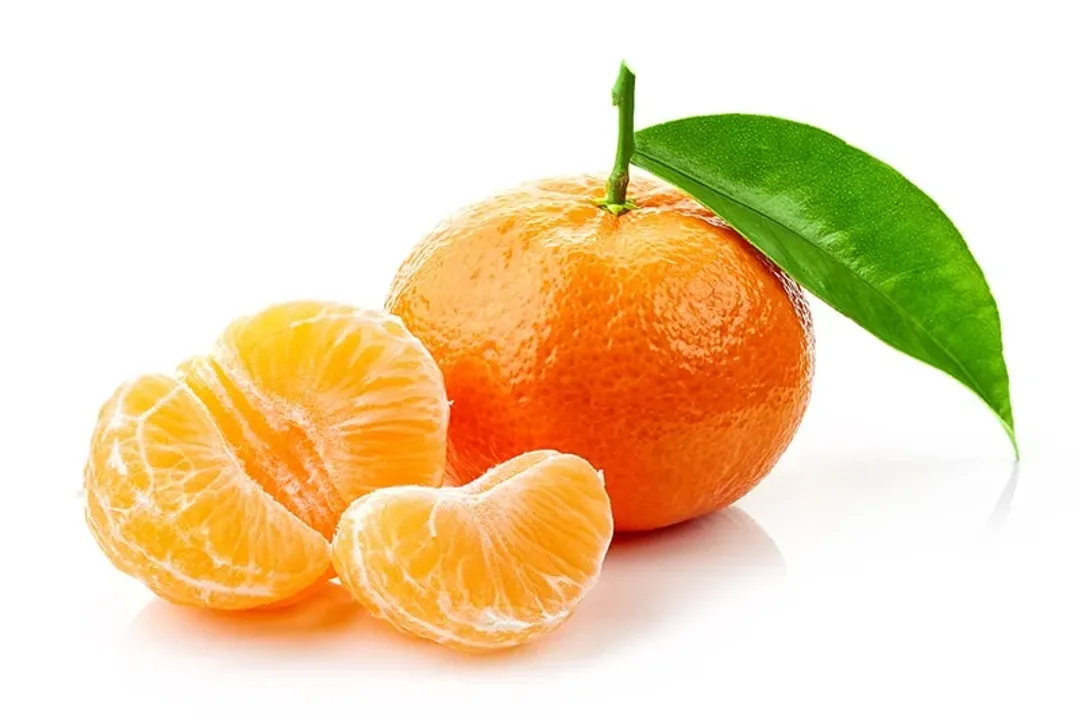
This small, bright orb, often appearing right when winter weather settles in, is far more than just a seasonal stocking stuffer. The clementine, a favored citrus hybrid derived from crossing a mandarin with a sweet orange, offers a delightful combination of ease and nutritional density. Unlike its larger citrus cousins, the clementine is prized for its glossy, thin, easily detachable skin and segments that separate with little effort. While many common varieties found in the US, like those branded as Cuties or Halos, are reliably seedless, it is worth noting that other types may contain seeds depending on the origin. As these fruits typically reach their peak availability during the colder months, from approximately October through March, they become an invaluable tool for maintaining wellness when other fresh options might be scarce.
# Core Nutrition
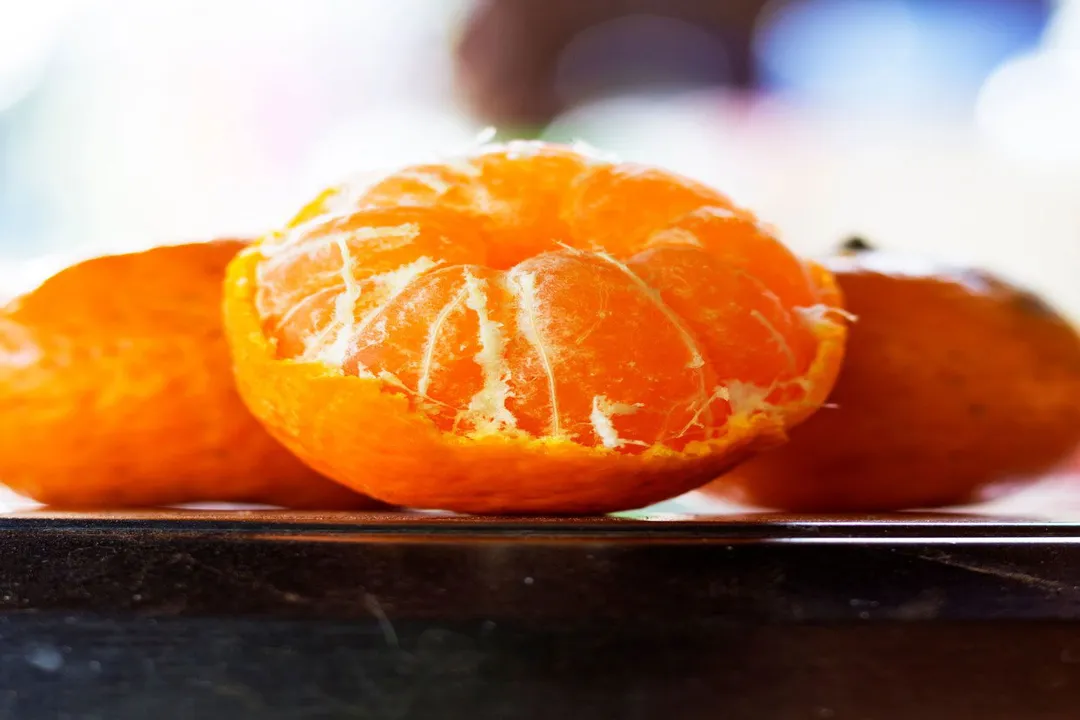
The most striking initial feature of the clementine is its impressive nutritional package relative to its size. A single clementine, roughly the size of a golf ball and containing about 74 grams of fruit, clocks in at a mere 35 calories. This makes it an exceptionally light snack choice. Most of these calories are derived from natural sugars, with less than one gram of fat and protein. Yet, despite its diminutive stature, it delivers a substantial dose of micronutrients.
One clementine provides approximately 40% of the recommended Daily Value (DV) for Vitamin C. Beyond this essential vitamin, clementines are noted for their fiber content—about 1 to 1.5 grams per piece—and significant potassium, around 130 milligrams. Other vitamins present include folate, which is crucial during pregnancy for fetal development, and thiamine, which supports a healthy metabolism. They also contribute smaller amounts of Vitamin B6, magnesium, calcium, and phosphorus to the diet.
It is helpful to look at the macronutrient balance when considering clementines as a snack. For instance, two clementines provide about 70 calories and 18 grams of carbohydrates, with 6 grams of that being fiber. This configuration—low energy density paired with fiber—helps promote feelings of fullness. In fact, two clementines contain less total carbohydrate than a single medium apple or banana.
# Immunity Support
The high Vitamin C concentration is perhaps the most widely recognized benefit of eating clementines. Vitamin C is a potent antioxidant that functions within the body to provide protective effects against damaging free radicals, which contribute to cellular stress. While consuming Vitamin C won't necessarily cure an existing cold, research suggests it might help shorten its duration. Furthermore, because Vitamin C levels can drop rapidly during periods of illness or infection, ensuring a steady daily intake via nutrient-dense foods like clementines is beneficial for maintaining robust disease-fighting capabilities.
Beyond Vitamin C, clementines contain beta-carotene, an easily absorbed compound that serves as a precursor to Vitamin A. This antioxidant contributes to overall immune function, alongside promoting healthy vision and cell growth. For those seeking to fortify their defenses, especially during the peak respiratory illness season when these fruits are most available, clementines offer an accessible and sweet boost.

# Skin Health
Maintaining vibrant, firm skin relies significantly on adequate intake of Vitamin C, and clementines are well-stocked with this nutrient. Vitamin C is a necessary component for the body to synthesize collagen, which is the fundamental protein structure responsible for the skin's strength, plumpness, and overall integrity. Ensuring sufficient dietary intake helps guarantee that the body can produce the collagen needed to maintain skin health and potentially mitigate the visible signs of aging, such as wrinkles.
Additionally, the powerful antioxidant action of Vitamin C in clementines helps combat inflammation and reverse damage caused by free radicals—a process that can improve issues like skin redness and discoloration. The fruit's antioxidant properties also offer protection against damage that can be induced by UV exposure. This combined action—structural support via collagen and protective repair from oxidative stress—makes the clementine a small but mighty contributor to dermal wellness.
# Digestive Function
For maintaining a comfortable and efficient digestive system, the fiber present in clementines plays a key role. While a single piece offers about 1.5 grams of fiber, consuming several over the course of a day provides an easy way to increase overall intake. Dietary fiber acts as a source of food for the beneficial bacteria residing in the gut. On a more mechanical level, fiber helps to soften and bulk up stool, which can significantly decrease instances of constipation and potentially help prevent issues like diverticular disease.
Interestingly, the Vitamin C content also supports the digestive process directly. Insufficient Vitamin C can lead to reduced levels of hydrochloric acid in the stomach. This acid is vital not only for breaking down food and absorbing necessary nutrients but also for fighting off potential viruses and bacteria present in the digestive tract, thereby lowering the risk of infection. Moreover, the fiber found in fruit, including clementines, has been associated with both lower cholesterol levels—by binding to dietary cholesterol and limiting its absorption—and the maintenance of a healthier body weight.
# Cardiac Balance
The heart benefits from clementines through several components working in concert, most notably potassium. Potassium is an essential mineral that assists in regulating fluid balance within the body and maintaining healthy blood pressure levels, which is a factor in preventing hypertension. Furthermore, it plays a role in normalizing cardiac arrhythmia, or an irregular heartbeat.
The antioxidant profile further supports cardiovascular wellness. The various antioxidants, including flavonoids like hesperidin, work to protect the heart from various forms of damage. Complementing these elements is the fiber, which research suggests can help in lowering levels of "bad" cholesterol. Thus, these small fruits earn their nickname as little "superstars" for heart health.
# Citrus Relatives
When navigating the produce aisle, it is common to encounter mandarins, tangerines, and clementines, all of which are closely related, as both tangerines and clementines are types of mandarin oranges. Understanding the minor distinctions can guide selection based on preference.
| Feature | Clementine | Tangerine | Orange (e.g., Navel) |
|---|---|---|---|
| Size/Shape | Smaller, flatter top/bottom | Generally smaller than oranges | Much larger |
| Peel | Easiest to peel, glossy skin | Easy to peel, sometimes thicker than clementine | Thicker peel |
| Taste | Sweeter, milder | More intense flavor | Less sweet, more acidic |
| Seeds | Typically seedless | Can contain seeds | Varies, but generally larger size/fewer segments |
Clementines are sweeter and milder than tangerines, which may have a slightly darker, more reddish, or pebbly skin. In contrast to standard oranges, clementines are smaller, significantly sweeter, and much less cumbersome to peel. This ease of peeling, combined with their sweetness, is why they are often recommended as a superior entry point for children to increase fruit consumption.
When incorporating clementines into recipes, the flavor profile is important. For instance, the sweeter, milder juice of a clementine may balance bitterness in a salad with endive or radicchio, whereas a more intense citrus might be preferred for other preparations. A practical application for plant-based eaters is pairing clementines with iron-rich foods like spinach or lentils. The Vitamin C present dramatically increases the body's ability to absorb non-heme iron, the form of iron found in plants. Maximizing this absorption by eating a clementine segment alongside your greens can be a simple, effective dietary strategy.
# Handling and Cautions
Clementines are versatile beyond being a standalone snack. They can be juiced, made into homemade jam, or used in baked goods for a delicate citrus note. Their segments add brightness to gourmet salads, pairing well with ingredients like fennel, walnuts, or radicchio. For a simple indulgence, dipping the peeled segments in melted dark chocolate and allowing them to cool creates an appealing dessert.
Regarding storage, longevity is enhanced by proper conditions. While they may last only a few days to a week at room temperature, storing them in a refrigerator’s crisper drawer can extend their freshness up to two or three weeks. When selecting fruit at the market, look for bright coloration and a firm feel; a strong, distinctly citrusy scent indicates the fruit is ripe. For long-term preservation, the segments can be peeled, laid on a wax-paper-covered baking sheet to freeze individually, and then transferred to a plastic bag for storage.
However, like grapefruit, clementines contain compounds called furanocoumarins that necessitate caution for individuals taking specific prescription medications. These compounds can interfere with the way the body absorbs certain drugs, potentially strengthening their effect too much. This interaction is specifically noted with some cholesterol-lowering statin drugs, which could lead to severe complications if clementine intake is not discussed with a healthcare provider. It is always wise to consult with a doctor regarding potential interactions if you are managing a chronic condition with medication.
Another consideration involves oral health. The natural citric acid in clementines, while giving them their characteristic tang, can, with consistent, high consumption, contribute to the erosion of tooth enamel over time, increasing the chance of cavities. Balancing the frequency of consumption and ensuring adequate water intake alongside these fruits can help mitigate this acidic effect. Finally, while they are a naturally sweet choice, those who must closely manage blood sugar levels should still be mindful of the natural sugar content and moderate their serving sizes. Opting for the whole fruit rather than concentrated juice is always preferable, as the whole fruit retains the beneficial fiber that helps temper sugar absorption.
Related Questions
#Citations
Clementine: Nutrition, Benefits, and How to Eat Them - Healthline
Health Benefits of Clementines - WebMD
Why Clementines Are so Good for You - EatingWell
What Are Clementines? Benefits, Nutrition, Recipes, More - Dr. Axe
Darling Clementines | TriHealth
Boosting Immunity But One of Clementine's Many Benefits
Clementines: the winter fruit with a thousand benefits - Agrintesa
Health Benefits of Clementines - Pilates in Guelph