Health Benefits of Cantaloupe
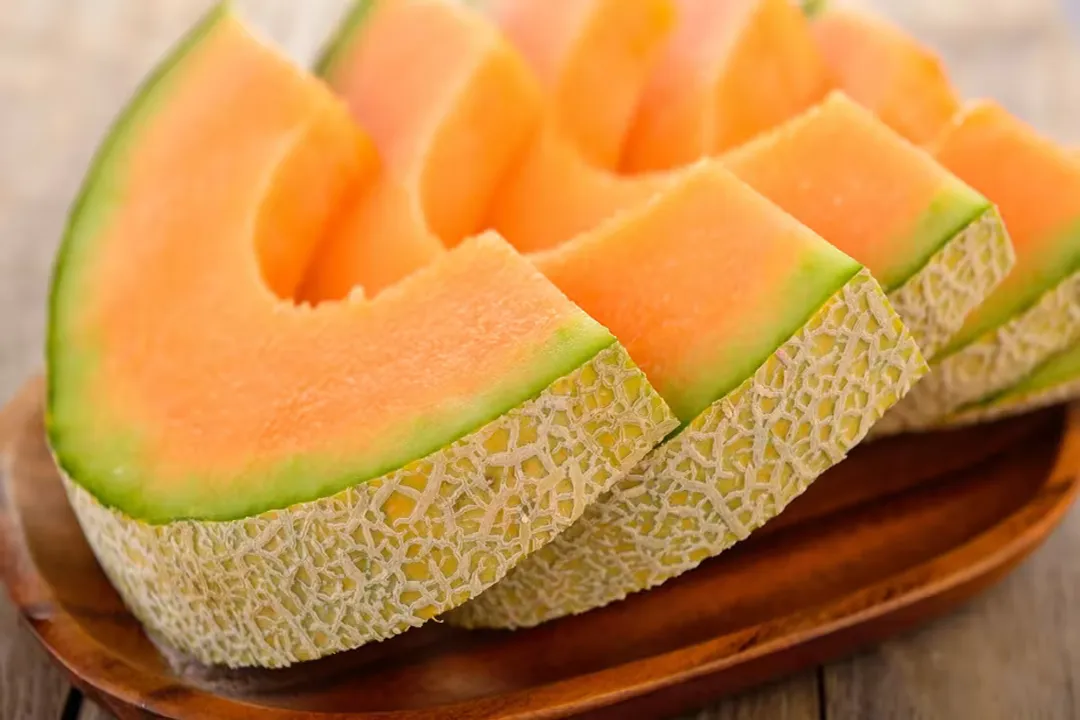
The simple, sweet flavor of cantaloupe brings with it a surprisingly potent package of nutritional advantages, making this orange-fleshed melon a fantastic addition to almost any diet. Often relegated to the fruit salad side dish, this orb of summer sunshine deserves a closer look for what it delivers in terms of vitamins, minerals, and hydration, all while remaining delightfully low in calories. [2][3][7] It’s a truly refreshing way to support several key bodily functions, from keeping your vision sharp to managing blood pressure. [1][8]
# Hydration Power
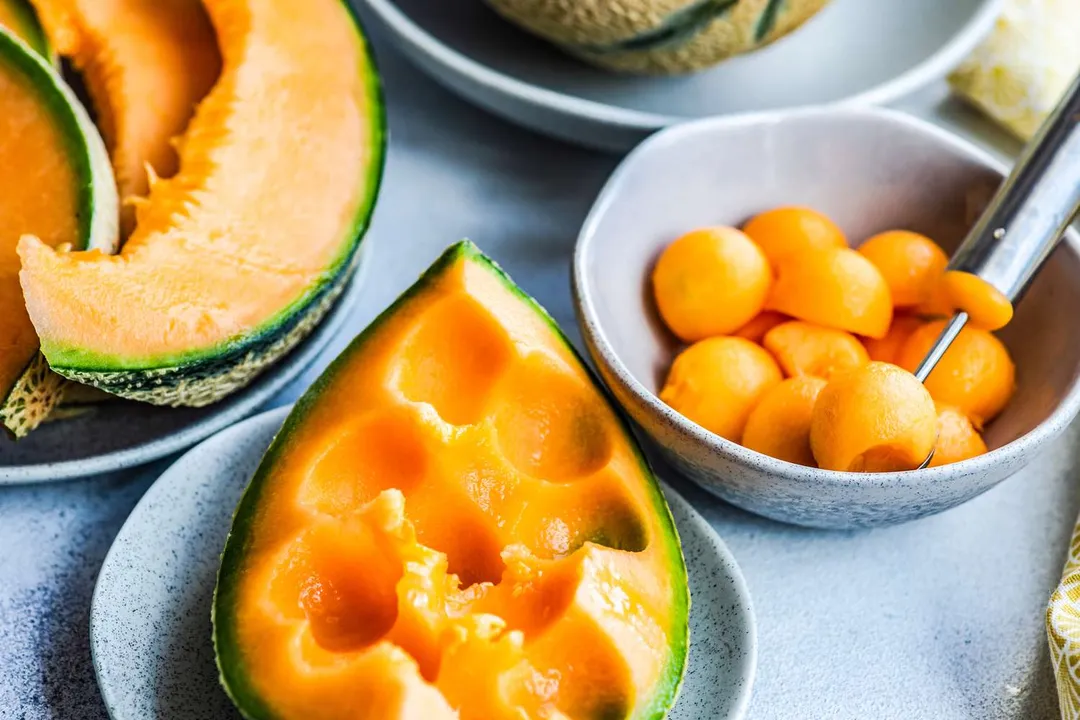
Perhaps the most immediate benefit of biting into a chilled slice of cantaloupe is the incredible hydration boost it provides. This melon is composed of roughly 90% water, [2][7] meaning that a substantial serving contributes significantly to your daily fluid needs. [1] In warm weather or after physical exertion, simply reaching for a wedge of cantaloupe is an easy, enjoyable strategy to replenish lost fluids. [2][4] This high water content works in tandem with its mineral profile, especially potassium, making it an excellent choice for supporting electrolyte balance, which is vital for nerve and muscle function. [1][8]
If you're looking for an actionable way to enhance your rehydration efforts after a lengthy summer run or yard work, try blending a cup of cubed cantaloupe with a splash of water and a few leaves of fresh mint. The melon’s natural sugars provide a quick energy source, while the mint aids digestion, making for a superior, naturally occurring sports drink alternative that is far better than many commercially prepared options bogged down with artificial additives. [2][4]
# Vitamin C Content
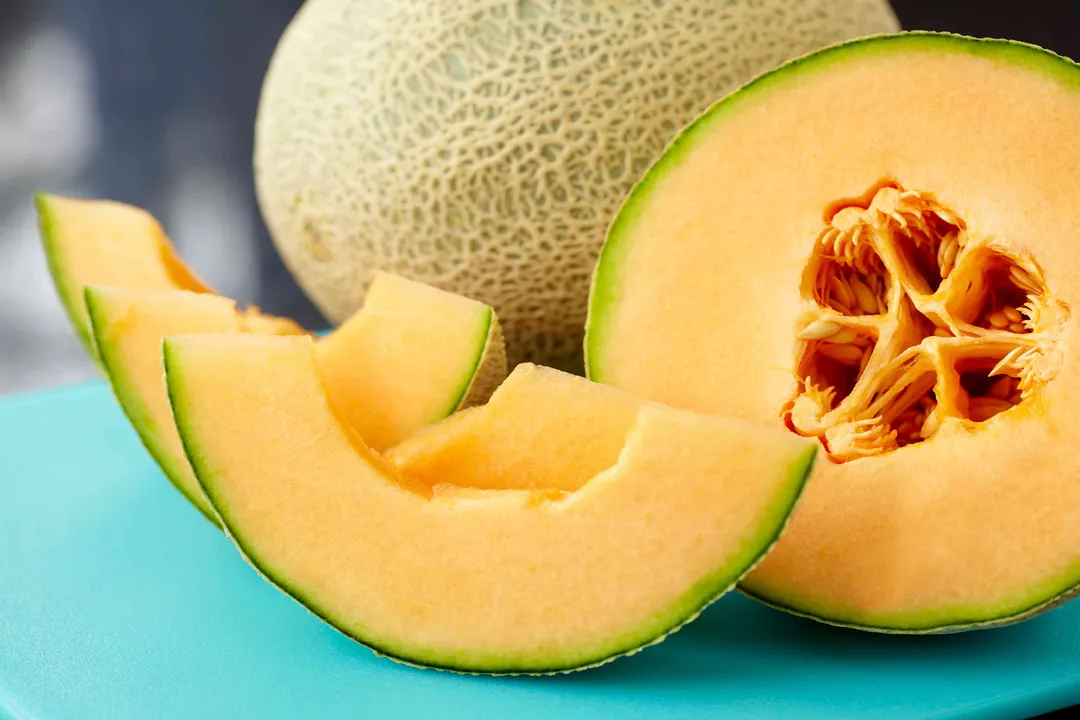
Cantaloupe stands out as an exceptional source of Vitamin C, a critical nutrient for a functioning immune system and healthy skin. [1][5] Just one cup of this melon can supply a very high percentage of your Recommended Daily Allowance (RDA) for this powerful antioxidant. [1][8] Vitamin C is necessary for the growth and repair of tissues throughout your body. [1] Furthermore, it plays a key role in synthesizing collagen, the essential protein that keeps your skin supple and strong. [5]
While many people associate Vitamin C primarily with citrus fruits, cantaloupe offers a delicious alternative. It's interesting to note that for those tracking their intake, a single serving provides a significant daily allotment, often exceeding the amount found in a medium orange, depending on the variety and ripeness. [1][2] Relying on naturally sweet foods like cantaloupe, rather than solely on supplements, helps ensure you are receiving Vitamin C alongside other beneficial compounds found naturally in the whole fruit. [6]

# Vision Support

The vibrant orange color of the cantaloupe flesh is a strong visual indicator of its richness in beta-carotene, which the body converts into Vitamin A. [2][4] Vitamin A is crucial for good vision, especially in low-light conditions. [1] But the benefit doesn't stop there; cantaloupe also contains other carotenoids like lutein and zeaxanthin. [1]
These specific compounds are known to accumulate in the retina of the eye, where they help filter out harmful blue light and protect against oxidative stress. [1] By regularly including cantaloupe in your diet, you are actively supporting the long-term health of your macula, potentially reducing the risk associated with age-related vision decline. [1][7] Maintaining a good intake of these carotenoids is one of the simplest, most enjoyable preventative health measures you can take for your eyes. [1]
# Heart Health Minerals
For cardiovascular wellness, the mineral profile of cantaloupe offers significant advantages, particularly concerning potassium. [3] Potassium is an electrolyte that helps balance the negative effects of sodium on blood pressure. [7][8] Because cantaloupe is naturally low in sodium, pairing it with its high potassium count creates a fruit that actively supports healthy blood pressure levels. [3][9]
When comparing melons, both cantaloupe and honeydew are good sources of potassium, but cantaloupe pulls ahead with its bonus dose of Vitamins A and C. [6] Maintaining appropriate blood pressure is key to reducing strain on the heart and arteries over time. [9] Think of potassium as the counterbalance to the modern diet’s high sodium load; cantaloupe is a sweet way to tip that scale back toward balance. [3][7]

# Digestive Wellness
Cantaloupe contributes positively to digestive health in two main ways: through its water content and its fiber. [1] The high water content aids in keeping things moving smoothly through the digestive tract, preventing constipation and promoting regularity. [1] Furthermore, while not as fibrous as some other fruits, cantaloupe still offers a respectable amount of dietary fiber, which is essential for adding bulk to stool and supporting a healthy gut microbiome. [1][4]
# Essential B Vitamins
While the spotlight often shines on Vitamins A and C, cantaloupe quietly delivers essential B vitamins that support overall energy metabolism. [4] Specifically, it is a good source of Vitamin B6 and folate (Vitamin B9). [4]
Vitamin B6 is involved in more than 100 enzyme reactions, mostly concerned with protein metabolism. [4] Folate, on the other hand, is critical for cell division and the creation of genetic material like DNA and RNA. [4] These contributions, though less publicized than the high antioxidant load, are fundamental to daily cellular health and function. [4]

# Skin Health and Aging
The benefits of cantaloupe extend outward to your skin, thanks largely to its high concentrations of both Vitamin C and Vitamin A. [2][5] As mentioned, Vitamin C is necessary for producing collagen, the protein that gives skin its firmness and elasticity. [5] By supplying this building block, regular consumption can help maintain skin integrity. [2] Simultaneously, the beta-carotene that protects your eyes also benefits your skin by acting as an internal sunscreen against UV damage and promoting a healthy, even skin tone. [2][5]
It is worth noting that while cantaloupe provides protective antioxidants, one should never substitute topical or standard sun protection with diet alone. However, incorporating these carotenoid-rich foods helps bolster your skin’s defenses from the inside out, contributing to that desirable healthy glow. [5]
# Nutritional Snapshot Comparison
To better illustrate the value packed into this melon, it helps to compare its primary micronutrient contributions against general dietary needs. While exact values depend on ripeness and specific variety, a standard serving size—often listed as one cup of balls or chunks—offers a potent nutritional profile. [6]
| Nutrient | Key Role(s) | Approximate % Daily Value (Per Cup) | Primary Source Reference |
|---|---|---|---|
| Vitamin C | Immunity, Collagen Synthesis | Well over 100% | [1][2][8] |
| Vitamin A (as Beta-Carotene) | Vision, Cell Growth | Significant Contribution | [2][4] |
| Potassium | Blood Pressure Regulation | Important Source | [3][7] |
| Folate (B9) | Cell Division, DNA Synthesis | Beneficial Amount | [4] |
| Water | Hydration, Digestion | ~90% by weight | [2][7] |
This comparative view shows why cantaloupe is often called a nutritional "punch". [6] It provides massive doses of two essential vitamins alongside critical minerals needed for blood pressure maintenance. [6][9]
# Weight Management Aid
For those interested in managing or maintaining a healthy weight, cantaloupe is an excellent choice due to its low caloric density. [3][7] Since it is mostly water and contains natural sugars, it satisfies sweet cravings without delivering a high number of calories per serving. [3][7] Furthermore, the water and fiber content contribute to feelings of fullness, which can naturally lead to consuming fewer calories overall during the same eating occasion. [1] It provides substantial volume and satisfaction for very few calories, making it a frequent inclusion in dietary plans focused on caloric control. [3]
# Considerations for Selection and Safety
While the benefits are clear, enjoying cantaloupe safely is just as important as knowing its nutritional value. Due to the rough, netted skin texture, cantaloupes can sometimes harbor bacteria on the rind, such as Salmonella. [2] It is essential to wash the entire outside of the melon thoroughly under running water before you cut into it, even if you plan to discard the skin. [2] This step prevents any surface contamination from being transferred by the knife blade to the edible flesh inside. [2]
When selecting a ripe cantaloupe at the market, look for a creamy yellow color rather than green, and check that the stem end is relatively smooth, indicating it separated easily from the vine. [2] The fruit should feel heavy for its size and have a distinct, sweet aroma. [2] Avoid melons with soft spots or bruised areas. [2] Paying attention to these small details ensures you bring home a melon that is both safe and at its peak for nutrient delivery. [2]
Related Questions
#Citations
6 Nutritious Benefits of Eating Cantaloupe - Healthline
Health Benefits and Nutrition of Cantaloupe
Cantaloupe: Health Benefits and Nutrition - WebMD
Nutritional Benefits of Cantaloupe | N.C. Cooperative Extension
Cantaloupe: Benefits, Nutrition, and Risks - Health
Melons pack a nutritional punch - Mayo Clinic Health System
7 Health Benefits of Eating Cantaloupe Regularly
[PDF] Health Benefits of Cantaloupe
What are the Health Benefits of Cantaloupe? - Respiratory Therapy