Health Benefits of Abiu
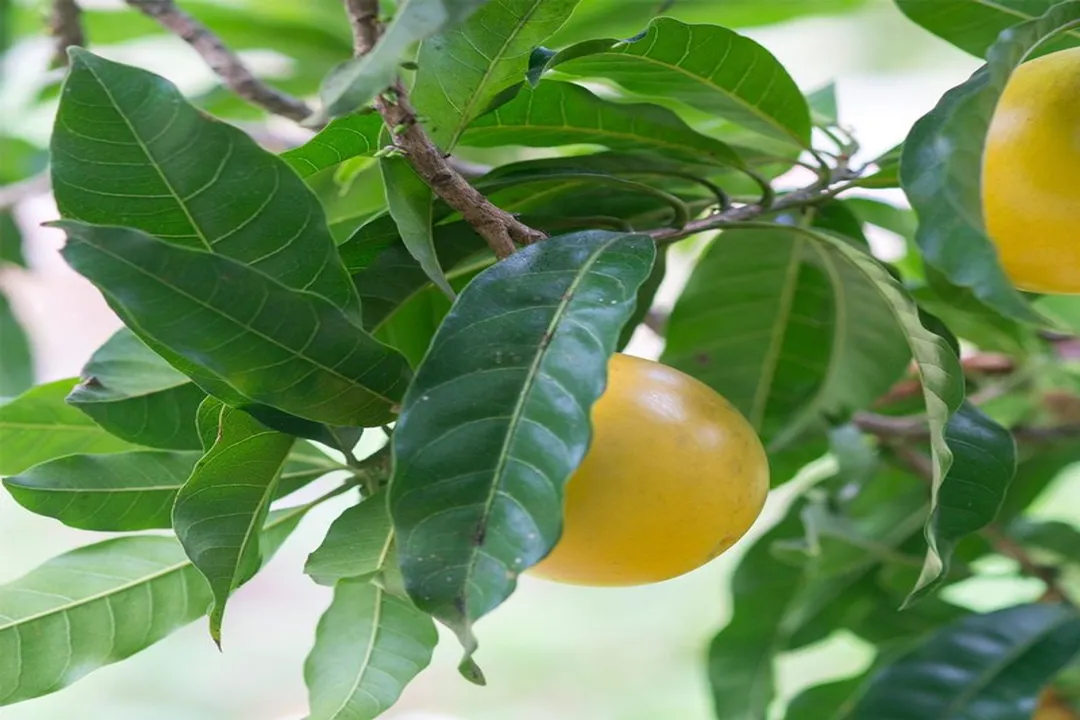
The Abiu fruit, scientifically known as Pouteria caimito, presents a fascinating profile among tropical produce, often gaining attention for its sweet, creamy interior. This fruit hails from the Sapotaceae family and grows on an evergreen tree native to high-altitude regions of the Andes in South America. Visually, the fruit typically adopts an oval or round shape, displaying a smooth skin that transitions to yellow or orange shades as it reaches peak ripeness.
The real allure of the Abiu lies inside. The flesh is described as white and translucent, possessing a texture that is often gelatinous. When perfectly ripe, its flavor profile is distinct, frequently drawing comparisons to sweet elements like honey, vanilla, or caramel. However, timing is key; if picked prematurely, the experience can shift toward the sour side. This spectrum of taste means that while some consumers find its mellow sweetness highly appealing, it offers a different palate experience than aggressively tart tropical fruits.
# Fruit Appearance
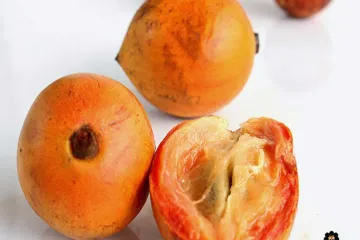
Understanding the stages of the fruit helps in selection. A fully ripe Abiu will often have soft skin, sometimes showing slight wrinkling, which is a good indication that the interior sugars have fully developed. The fruit is generally medium-sized, fitting comfortably in the palm of one's hand. The simple, single-seed nature, while common in many fruits, necessitates care; the seed inside is large and should never be consumed, as chewing the seed can be toxic. For those new to eating Abiu, the common method involves cutting the fruit open and scooping out the edible pulp directly with a spoon.
# Nutritional Content
From a nutritional perspective, Abiu contributes several beneficial components to the diet, fitting well within a balanced intake plan. It is notably recognized as a good source of Vitamin C, a well-known antioxidant vital for immune function. Furthermore, the fruit supplies Vitamin A, which is instrumental in maintaining good eye health.
Mineral content is also present, with phosphorus and iron being among the nutrients found within the pulp. Given that Abiu is naturally high in carbohydrates and natural sugars, it functions as a ready source of energy. This high carbohydrate concentration, combined with its significant water content, makes it quite hydrating.
If you find yourself reaching for a quick, natural energy source before an afternoon slump or a moderate workout, considering a ripe Abiu could be an excellent alternative to processed energy bars. Its natural sugars provide immediate fuel, and the water content aids in hydration simultaneously, a dual benefit often overlooked when focusing only on the sweetness factor.
# Health Support
The nutritional makeup of Abiu translates into several potential health advantages when consumed regularly as part of a varied diet.
# Blood Pressure Regulation
One specific benefit mentioned relates to cardiovascular health, particularly blood pressure management. Fruits rich in potassium are often suggested for helping to manage high blood pressure because potassium works to balance the negative effects of sodium in the body. The presence of potassium in the Abiu fruit aligns it with this category of beneficial foods.
# Antioxidant Activity
The Vitamin C content is directly linked to its antioxidant properties. Antioxidants are essential because they help combat free radicals in the body, which are unstable molecules that can cause cellular damage over time. While many fruits offer Vitamin C, incorporating Abiu provides another avenue for boosting this protective nutrient intake.
# Vision and Immunity
The contribution of Vitamin A supports the body's defenses, specifically concerning vision. Vitamin A is a key component in maintaining the health of the cornea and retina, and deficiencies are historically linked to vision problems.
# Culinary Applications
While its fresh consumption is the primary method of enjoyment, the sweet, distinctive pulp of the Abiu lends itself to various preparations. Because of its creamy, almost custard-like consistency when fully ripe, it integrates well into simple dishes.
# Dessert Ingredient
The rich sweetness makes it a natural fit for desserts. One might consider blending the pulp into smoothies or using it as a topping for ice cream or yogurt. For a truly simple presentation that respects its unique flavor—honeyed and smooth—scooping it directly into a bowl serves as an excellent, unadulterated treat.
# Beverage Use
Another common application involves incorporating the flesh into beverages. Juices or even light cocktails can benefit from the mellow sweetness Abiu imparts, potentially reducing the need for added sugars. If you are preparing a batch of fruit-infused water or a tropical punch, adding a few spoonfuls of the ripe pulp can subtly enhance the flavor profile without overpowering other ingredients, unlike highly acidic fruits.
# Cultivation Considerations
The Abiu tree itself is an evergreen plant that thrives in tropical environments. For those interested in growing or sourcing this fruit, understanding its origin helps set expectations regarding climate needs. While it is an Andean native, it is cultivated in various tropical locations today. The tree can grow to a considerable size, reaching heights of about 10 meters. Observing how it compares to other Sapotaceae family members, like the familiar Sapodilla, reveals shared characteristics in growth habit but distinct differences in fruit flavor and texture.
# Harvest Timing and Selection
For the best health benefits and flavor payoff, timing the harvest or purchase is critical. As noted earlier, a change in color from green to yellow or orange signals readiness. More importantly, tactile feedback is essential: the skin should yield slightly to gentle pressure.
A key practical consideration when handling this fruit, which might not be immediately obvious to a novice, is that the sap produced when the skin is broken can be quite sticky and difficult to remove from hands or clothing. Therefore, handling ripe fruit carefully and using a clean, sharp knife to slice through the skin—rather than trying to tear it—is the most efficient approach. Keeping the fruit intact until serving time minimizes mess and preserves the delicate interior.
# Summary of Fruit Traits
To quickly contrast the characteristics of the Abiu, we can summarize its primary features:
| Feature | Description | Sourcing Note |
|---|---|---|
| Shape | Oval to round | Consistent appearance across sources. |
| Flesh Texture | White, translucent, gelatinous | Varies slightly based on ripeness level. |
| Flavor | Sweet, honey, caramel, vanilla notes | Risk of sourness if underripe. |
| Seed | Large, single, toxic if chewed | Essential handling precaution. |
| Energy | High in natural sugars/carbs | Suitable for quick energy boosts. |
The combination of high water content and concentrated sugars means that consuming a whole, perfectly ripe Abiu provides both immediate caloric value and significant hydration, making it a potent, albeit delicate, tropical food source. While specific clinical studies on Abiu are less common in general overviews compared to more widely marketed fruits, its foundational nutrient profile, particularly the Vitamin C and A contributions, supports general wellness claims. Its unique ability to deliver a mellow, non-acidic sweetness sets it apart, offering consumers a genuinely different profile of tropical sugar compared to the usual citrus or pineapple suspects.
Related Questions
#Citations
Health benefits of Abiu Fruit - PlantOGram
Health Benefits of Abiu Fruit - Medindia
Abiu Fruit – Health Benefits, Uses and Important Facts
5 Health Benefits Of Abiu Fruit? #Shorts #netmeds - YouTube
Abiu fruit benefits and nutritional value - Facebook
Abiu Fruit: Health Benefits, Nutrition Values and Easy Recipes
Ecovilla on Instagram: "Have you heard of Abiu? This golden fruit ...
Abiu - Simple English Wikipedia, the free encyclopedia
Discover the Amazing Health Benefits of Abiu for Your Wellbeing