What is the best crab in the US?
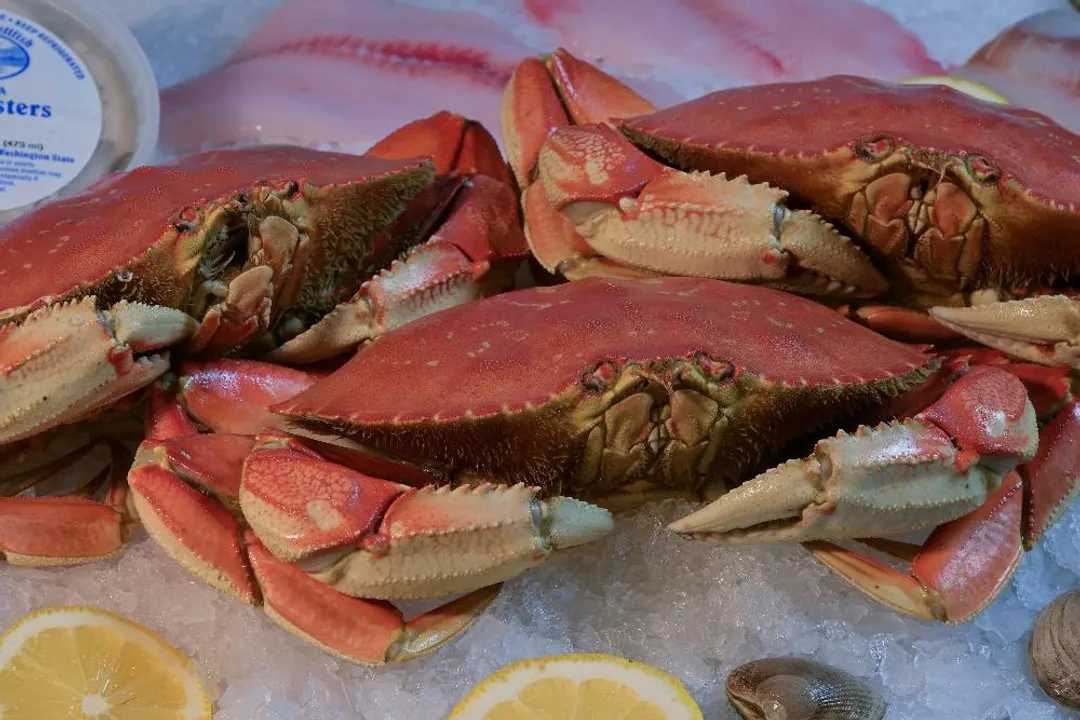
The quest to name the single greatest crab found in the waters surrounding the United States is less a competition with a clear winner and more a celebration of diverse, regional delicacies. The "best" crab often depends entirely on where you are standing, what preparation you prefer, and how much you are willing to spend for that perfect bite. From the cold depths of the Bering Sea to the warm, brackish waters of the Chesapeake Bay, American crabs offer a spectrum of textures and tastes that keep seafood lovers debating year-round. To properly assess the contenders, one must look at the giants of the North Pacific, the beloved staples of the Atlantic, and the unique offerings found along the Gulf and West Coasts.
# Pacific Favorite
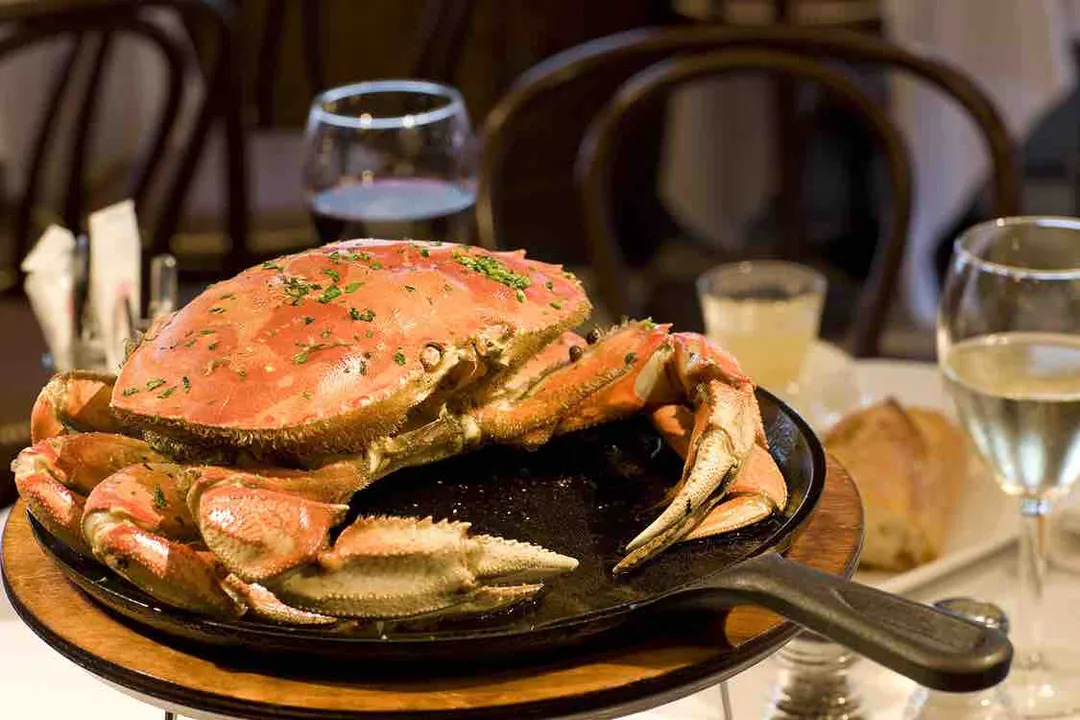
Dungeness crab stands as a massive champion on the West Coast, particularly from Alaska down to California. For many enthusiasts, this crab is the standard by which others are judged, often praised for having the sweetest and most delicate meat among the commonly available species. While King Crab legs grab headlines for their size, the Dungeness is known for its exceptional meat-to-shell ratio in the body, not just the legs.
The appeal of Dungeness often comes down to freshness and ease of preparation. On the Pacific coast, especially near fishing ports, you can often find them served whole or in large sections shortly after being steamed. This proximity to the source allows the true flavor—a clean, sweet profile—to shine through without heavy seasoning or sauces. When purchasing them whole, a good indicator of quality is weight; a heavier crab for its size usually means more meat inside. Unlike some other large crabs that are primarily consumed for their leg meat, the Dungeness offers a satisfying amount of body meat that some chefs argue is superior in flavor complexity.
If you find yourself in a coastal town in Oregon or Washington, seeking out a local haul of Dungeness is often recommended as an unparalleled regional experience. The timing of the harvest is critical, as the flavor profile peaks when the crabs are in prime condition, making the specific season as important as the species itself when chasing the "best" experience.
# Giants of the Deep
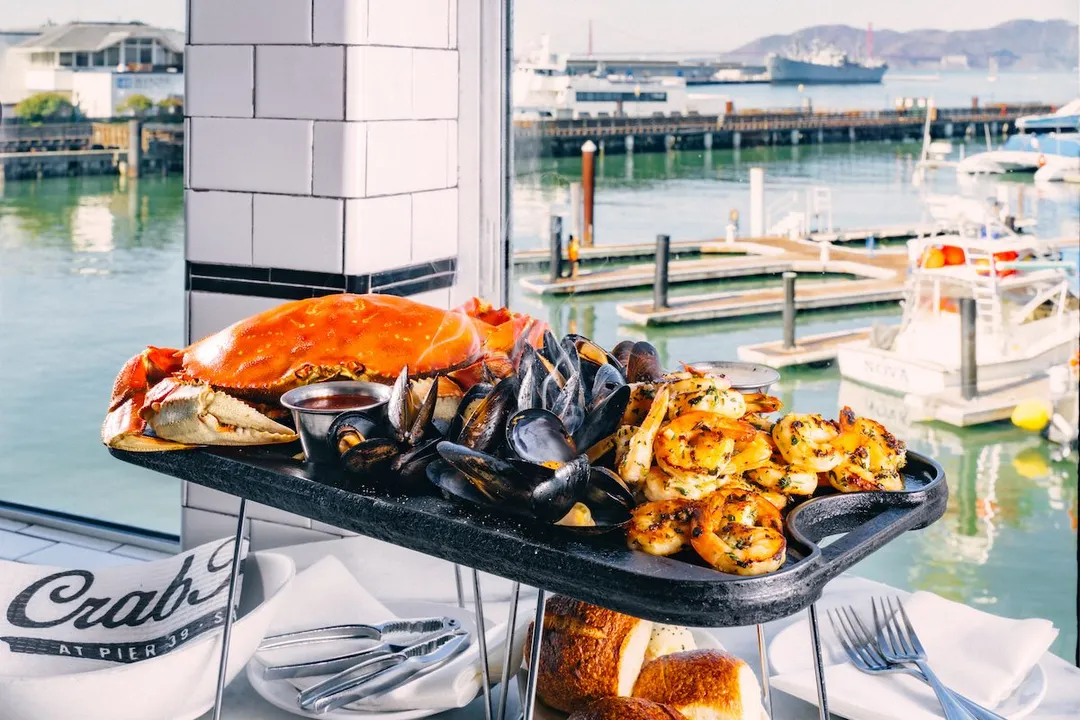
When sheer volume and impressive size are the criteria, the King Crab takes the crown. These massive crustaceans, primarily harvested in the icy waters off Alaska, are famous for their long, thick legs packed with rich, sweet meat. Their imposing presence on a dinner table, often served pre-cooked and split, makes them an iconic luxury seafood item.
However, that luxury comes at a price. King Crab tends to be significantly more expensive than Dungeness or Snow crabs, partly due to the difficulty and danger involved in harvesting them from deep, cold waters. Furthermore, a substantial portion of the weight is shell, meaning the meat yield, relative to the whole crab's size, might be less than expected compared to a smaller, fully-bodied crab. This comparison reveals a key trade-off: King Crab delivers an undeniable "wow" factor and a very sweet flavor, but Dungeness often provides better value in terms of easily accessible body meat and overall cost-effectiveness. A seasoned crab eater might note that while King Crab meat is excellent, the necessity of often buying it frozen or pre-cooked (due to transport logistics) can sometimes mute the vibrant sweetness enjoyed in a freshly steamed local catch.
# Arctic and Atlantic Contenders
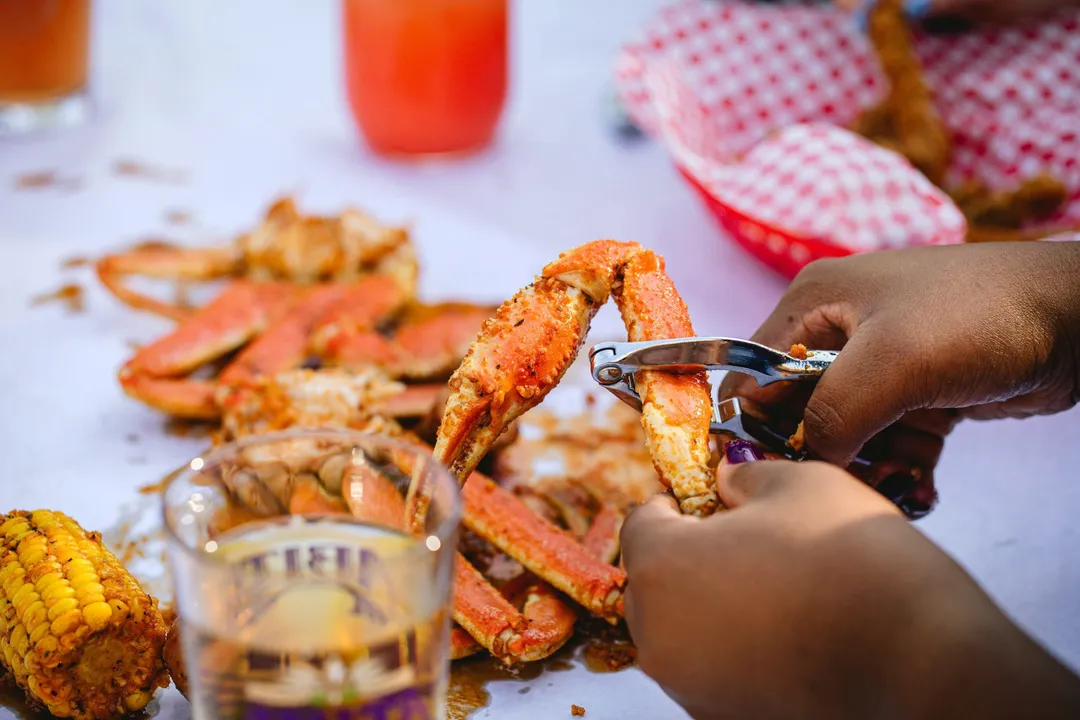
Moving from the Pacific giants, the American seafood landscape is further defined by the Snow Crab and the ubiquitous Blue Crab.
# Snow Crab Comparison
Snow crabs, also known in some contexts as Queen crabs, are often harvested alongside King Crabs in Alaskan waters. They are smaller than their King counterparts but highly prized for their delicate texture and sweet flavor. They are typically sold in clusters of legs and claws. While they share the sweet profile enjoyed in many high-quality crabs, the meat is often described as slightly finer or less dense than King Crab meat. For those who prefer a lighter, less intensely flavored experience than the robust King Crab, the Snow Crab offers a wonderful middle ground, providing that sweet taste without the heavy price tag associated with the true monarchs of the deep.
# Blue Crab Dominance
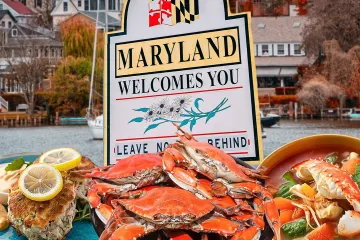
On the East Coast, particularly in the Mid-Atlantic region centered around Maryland and the Chesapeake Bay, the Blue Crab reigns supreme. This crab has a decidedly different appeal than its cold-water cousins; it is smaller, often prepared steamed whole, and heavily seasoned, most famously with Old Bay seasoning. The flavor of the Blue Crab is also sweet, but the eating experience is more hands-on and interactive—it involves picking the meat out of the body and claws, often covered in spice.
For aficionados in this region, the Blue Crab is the best crab, partly because of tradition and availability. A key differentiation point here is that many Blue Crabs are judged on the quality of their body meat, which often contains the creamy, flavorful tomalley (mustard/innards), a component that some diners seek out while others actively avoid. This highlights how preparation and local tradition heavily influence the perceived "best" crab.
# Shellfish Diversity
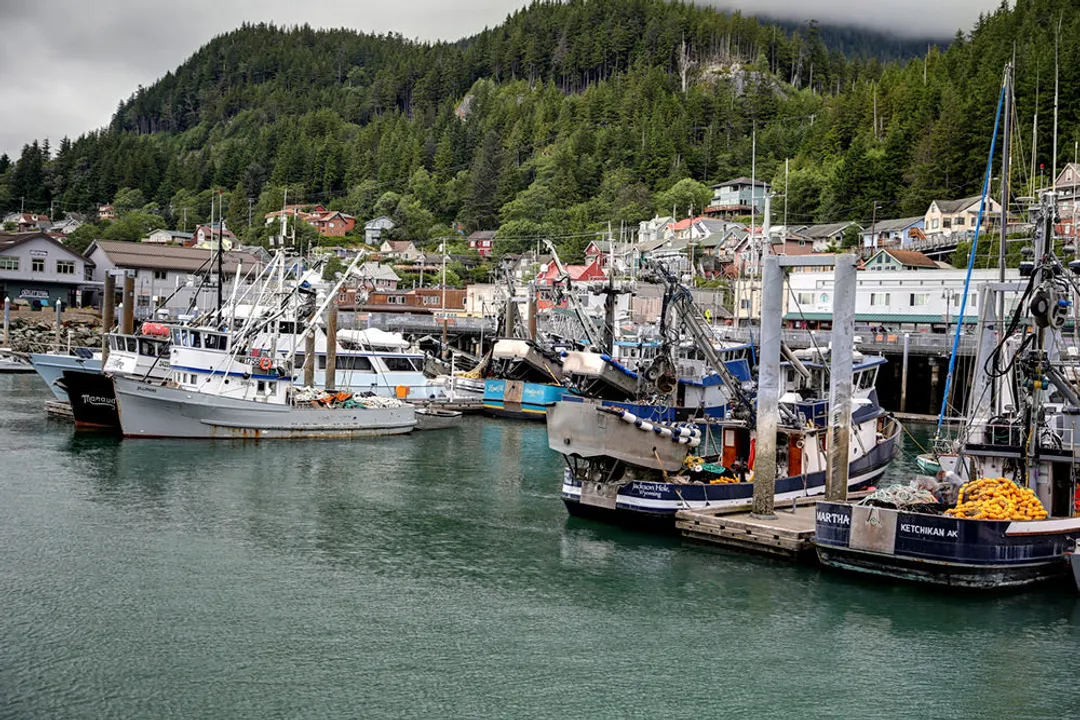
Beyond the major species, other crabs hold important spots in the American culinary scene, most notably the Stone Crab, which presents a unique proposition for the consumer.
# Stone Crab Claws
Stone Crabs are a unique fishery found primarily in Florida and the Gulf of Mexico. The most remarkable aspect of this crab is that only the claws are harvested, and the crab is returned to the water to regenerate the lost appendage. This sustainable practice results in a product that is almost always served cold, pre-cooked, and famous for its sweet, firm meat, often dipped in a sharp mustard sauce.
The experience of eating Stone Crab claws is highly specialized. You are not buying a whole crab; you are buying a premium, ready-to-eat claw. Because the meat is so firm and sweet, some might argue that the pure flavor and texture of the claw meat surpass the experience of picking body meat from other species. When comparing the pure eating pleasure of a fresh, cold Stone Crab claw against a pile of hot, picked Dungeness meat, the choice boils down to texture preference: firm and chilled versus tender and warm.

# Weighing the Factors
Since there is no singular metric for "best," defining the ideal crab requires balancing flavor, cost, accessibility, and ethical sourcing.
| Crab Species | Primary Region | Noted Flavor Profile | Typical Preparation Style | Value Consideration |
|---|---|---|---|---|
| Dungeness | West Coast | Sweet, delicate | Steamed whole, often fresh | Good meat-to-shell ratio for body |
| King | Alaska/North Pacific | Rich, very sweet | Legs, usually pre-cooked | High cost, high visual impact |
| Blue | East Coast/Chesapeake | Sweet, traditional | Steamed whole, heavily seasoned | Highly regional, interactive eating |
| Snow | Alaska/North Atlantic | Delicate, sweet | Leg clusters | Generally lower cost than King Crab |
| Stone | Florida/Gulf | Firm, sweet | Claws only, served cold | Highly sustainable harvesting method |
When considering sustainability, which is an increasingly important factor for conscientious consumers, guidance is available to help navigate choices. Seafood Watch provides ratings that can steer buyers toward crabs harvested in ways that minimize environmental impact, which can add a layer of satisfaction to the dining experience that transcends mere taste. For instance, certain regional fisheries might be rated highly for their management practices, influencing a consumer's decision to choose a local, well-managed fishery over a globally sourced alternative, regardless of the raw taste score.
One insight gained from examining these regional differences is that the "best" crab often correlates directly with the diner's willingness to interact with the meal. The Stone Crab and Blue Crab demand significant effort for their meat, rewarding the diner with a highly traditional, hands-on experience. Conversely, King and Snow crabs offer large, easily accessible portions of meat, suitable for those prioritizing volume and minimal fuss after the initial cracking. If a recipe calls for rich body meat that can be easily picked and incorporated into a dip or sauce, Dungeness is often the superior choice over the predominantly leg-based King Crab.
# Selection Tips
For the home cook looking to secure the "best" possible crab, regardless of species, the condition upon purchase is paramount. If you are buying a whole, fresh crab, look for signs of life or rigidity. A live crab is always preferable. If purchasing cooked crabs, they should be heavy for their size, indicating they haven't dried out, and they should smell purely of the sea, not strongly "fishy".
When buying pre-packaged leg sections, especially for King or Snow crab, check the packaging for excessive ice crystals or freezer burn, which suggests prior thawing and refreezing—a major detractor from flavor and texture. The goal is to minimize the time between the crab being harvested or cooked and being consumed to lock in that fresh, sweet flavor that defines all top-tier American crab. Recognizing the signs of quality—weight, smell, and proper handling—is a skill that instantly upgrades any crab meal from merely good to genuinely exceptional.
Related Questions
#Citations
What are the best type of crabs to get in the US? : r/AskAnAmerican
The 5 Best Tasting Types of Crab - Billy's Stone Crab
Types of Crab Legs to Eat: Which Crabs Taste the Best?
The Best Tasting Crab - Crab House at PIER 39
Which Crab to Buy - Marx Foods
Sustainable crab guide - Seafood Watch
Brian Can't Stop Eating | - Instagram
Five Reasons Dungeness Crab is Better Than King Crab - Bell Buoy
Where to Sample the Best Seafood in the U.S. – Panama Jack®