What is Ireland's national breakfast?
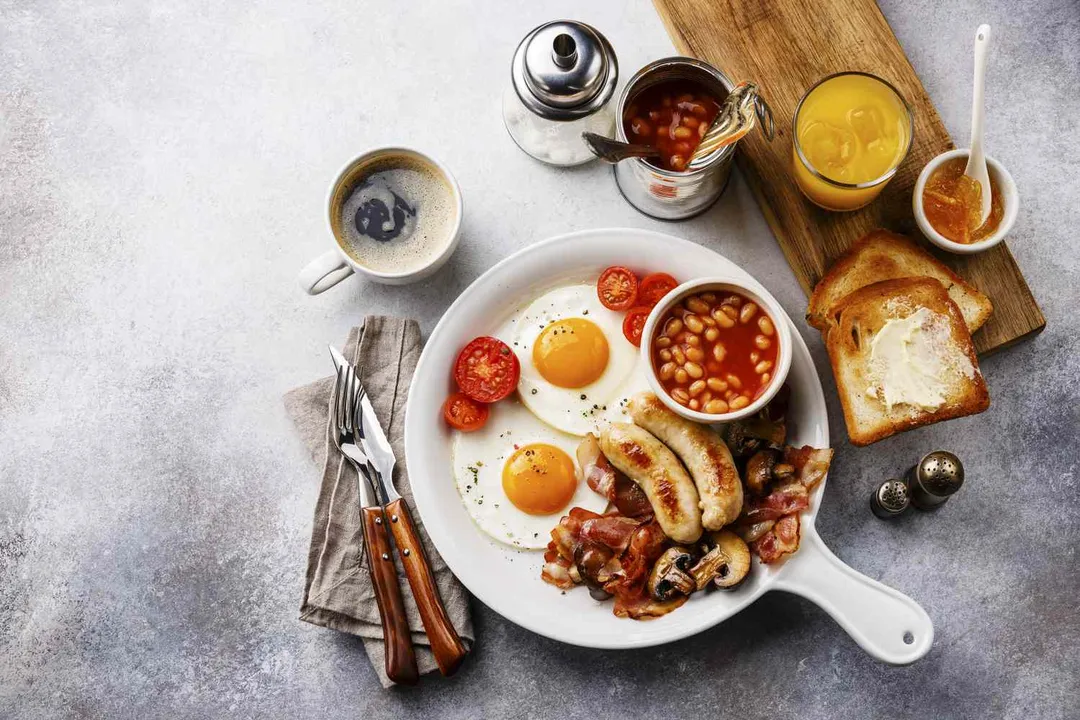
The concept of a definitive Irish breakfast is often a subject of passionate, albeit good-natured, debate across the island, but at its heart lies a magnificent, hearty compilation of pan-fried elements designed to set one up for the day. It is much more than just a morning meal; it is a cultural marker, a celebratory plate, and a testament to rich, local culinary tradition, frequently served in B&Bs, hotels, and homes alike. While variations certainly exist, the consensus revolves around a core set of ingredients that ensure the dish is both filling and flavorful.
# Essential Proteins
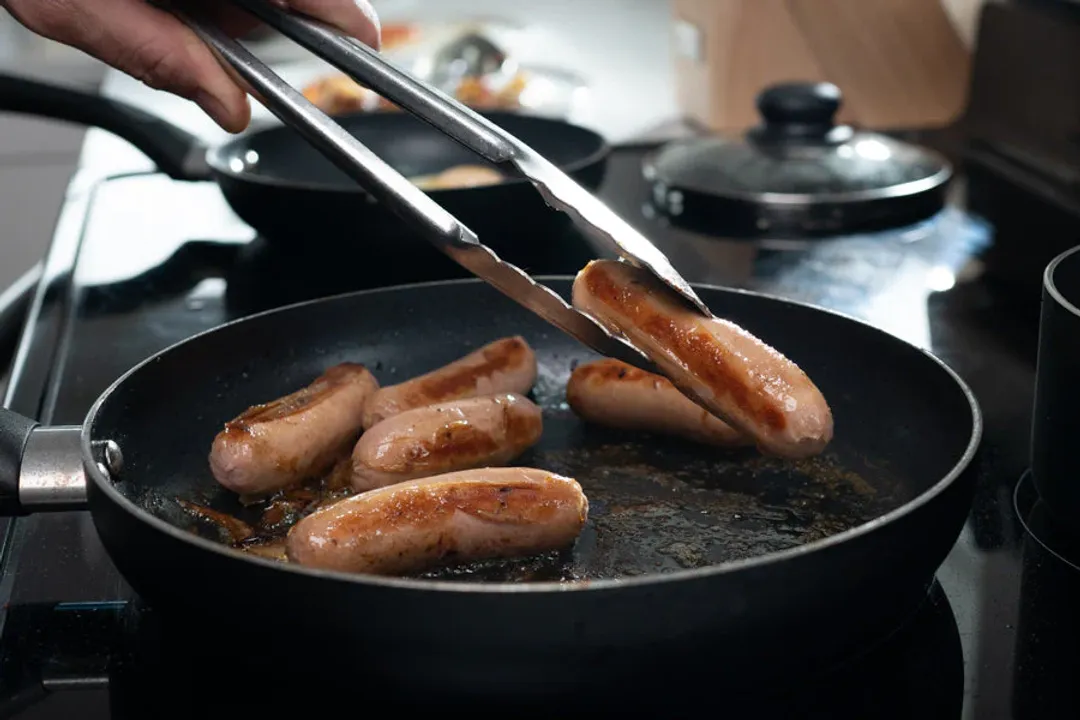
The foundation of any proper Irish fry-up rests upon its carefully selected meats, which go beyond the standard bacon and sausage found in other breakfasts. Irish cooking places particular emphasis on pork products prepared specifically for this setting.
# Bacon and Sausage
When discussing the meat selection, it is crucial to understand the local terminology. The bacon used is distinct from the streaky bacon common elsewhere; Irish bacon, often referred to as rashers, tends to be cut from the loin and includes a portion of the eye of the loin, often looking closer to a lean pork chop than the strips of cured belly meat typically found in an American breakfast. These rashers are typically fried until just done, retaining a bit of tenderness. Similarly, the sausages, often called bangers in a broader sense, should be of good quality, usually pork-based, and browned nicely on the griddle. A truly satisfying plate demands at least two rashers and two sausages.
# Puddings Distinction
Perhaps the most unique and distinguishing feature of the Full Irish Breakfast is the inclusion of two types of pudding: black pudding and white pudding. These are not dessert items but savory sausages made from cooked, seasoned pork fat mixed with oatmeal or barley groats, which act as a binder.
- Black Pudding: This version includes the blood of the pig, which gives it its characteristic dark, almost black colour and a distinct, rich, earthy flavour. It is typically sliced into rounds and pan-fried until the outside is crisp.
- White Pudding: Lacking blood, white pudding is lighter in colour and flavour profile, relying more heavily on the oatmeal/barley and spices. Its inclusion is often cited as a marker distinguishing a truly Full Irish plate.
While both are standard, some menus might offer them as an option, but a classic presentation usually aims to include both for the complete experience. A common point of contention, which merits deeper consideration, is the regional preference; while the black pudding is nearly universal, some purists might argue that white pudding is less essential depending on the county, though it remains a strong component of the national offering.
# Vegetable Components
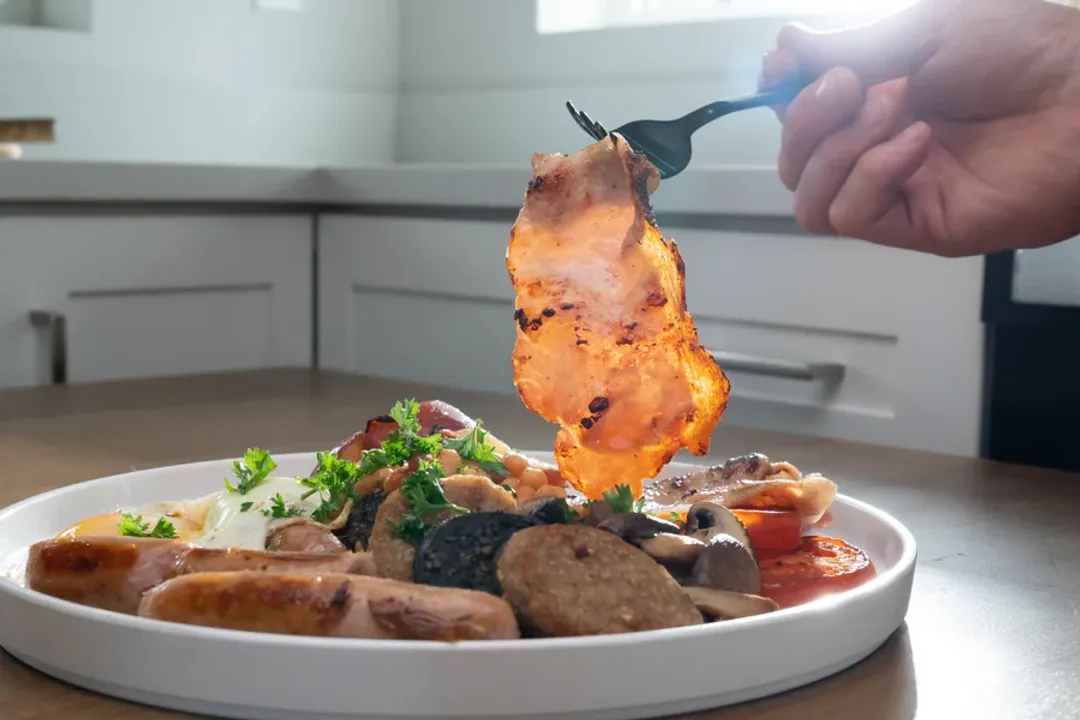
To balance the richness of the meats and puddings, the Irish breakfast incorporates simple, grilled, or lightly fried vegetables, which add necessary texture and acidity to cut through the fat.
# Mushrooms and Tomatoes
The inclusion of fried or grilled mushrooms is standard, offering an earthy counterpoint to the savory pork. Equally important are the tomatoes. These are usually sliced in half horizontally or left whole and then grilled or fried until they soften and caramelize slightly, releasing their juices. The resulting warmth and slight tang from the tomato juices often serve as an unintentional sauce for the drier elements on the plate.
# The Bean Question
One area where slight divergence appears is the inclusion of baked beans. Many modern and hotel-served versions of the Full Irish include a small portion of baked beans, similar to the English version. However, traditionalists or those focusing on a strictly historical preparation might omit them, viewing them as an unnecessary addition that dilutes the core flavour profile. When present, they are usually served on the side to prevent their sauce from mingling with the fried items.
# The Starchy Staples
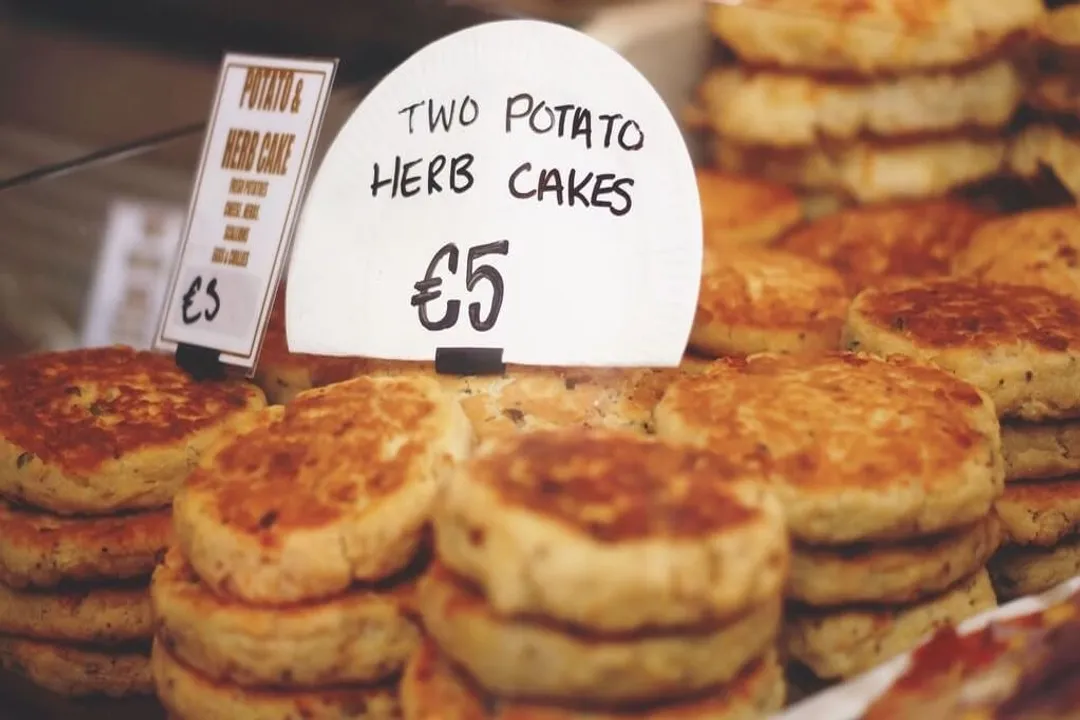
A meal this substantial requires adequate carbohydrate components to provide energy and soak up the flavours. This is where the bread element comes into play, and it is distinctly Irish.
# Traditional Breads
Forget plain white toast; the Irish breakfast demands bread with character. The most characteristic options are soda bread and brown bread. Soda bread, leavened with baking soda rather than yeast, has a slightly dense, crumbly texture that becomes wonderful when buttered and lightly toasted or griddled. Brown bread, often made with wholemeal flour, offers a nuttier flavour profile. The ritual often involves spreading a thick layer of Irish butter—known for its high butterfat content, yielding a superior creaminess—onto a warm slice of either bread.
# Potato Inclusion
Potatoes feature prominently in Irish cuisine, and for breakfast, they often take the form of fried potato bread or hash browns. Potato bread, sometimes called fadge in certain regions, is made from leftover mashed potato mixed with flour, seasoned, shaped into a flat disc, and fried until golden. While hash browns are a more modern, less traditional addition, potato bread is a deeply embedded element, especially when one considers the proximity to the Ulster Fry tradition, which heavily features it.
# A Comparative Insight: The Ulster Fry vs. The Full Irish
While often conflated, especially by international observers, the Full Irish Breakfast originating in the Republic of Ireland shares significant overlap with the Ulster Fry served in Northern Ireland, but key differences exist, offering a nuanced view of the island’s breakfast culture. Both share the bacon, sausage, egg, and puddings. The critical distinction often lies in the potato element and the bread served. The Ulster Fry almost invariably demands potato farls (a term for sliced, griddle-cooked potato bread) and often incorporates scones or soda bread. Furthermore, while the Southern version might occasionally feature baked beans, the Ulster Fry sometimes substitutes or includes oatcakes or sticks strictly to potato farls alongside the other components. Considering the sheer density of the meal, understanding these subtle shifts—from the type of potato product to the inclusion of beans—can offer an immediate insight into which side of the border one might be dining on.
# Cooking Technique and Presentation
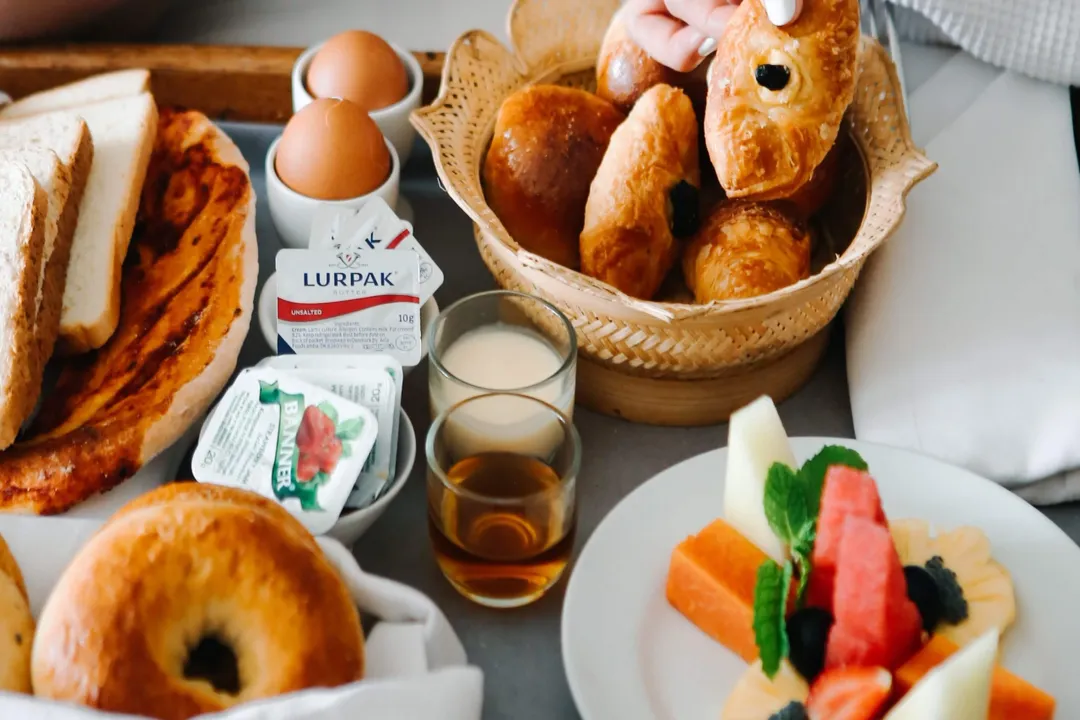
The method of preparation is almost as important as the ingredients themselves, directly impacting the final texture and flavour of the plate. This isn't a baked casserole; it’s an exercise in griddle mastery.
# The Importance of the Fry
The term fry in "Full Irish Fry" is literal. Nearly every component, save perhaps the tea or coffee, is cooked on a flat-top griddle or in a large frying pan. The fat rendered from the bacon and sausages is often used to cook the eggs, mushrooms, and fry the puddings and potato bread, lending a shared, savoury flavour base across all elements. Achieving the right balance is an art: the bacon must be slightly crispy but not brittle, the puddings hot through with a nice crust, and the eggs cooked to personal preference—usually over easy or sunny-side up.
# Beverages and Final Touches
No breakfast plate is complete without a hot beverage to accompany it, and in Ireland, this is almost universally tea. Strong black tea, often served with milk and sugar added to taste, provides the necessary astringency to refresh the palate between bites of the rich food. Coffee is an alternative, but tea remains the traditional standard.
The presentation itself is generally unpretentious—a generous piling of ingredients onto a single plate. The goal is abundance and immediate satisfaction, not delicate arrangement.

# Beyond the Plate Cultural Context
The Full Irish Breakfast occupies a specific niche in the Irish social and culinary calendar. It is not an everyday occurrence for most people.
# Timing and Occasion
Due to its considerable caloric load and sheer volume, the Full Irish is usually reserved for weekends, holidays, or as a hearty welcome offered by B&B hosts to guests recovering from travel. It signifies a slow, leisurely start to the day, often eaten mid-morning rather than early morning. In hospitality settings, like guesthouses, it is a point of pride for hosts, reflecting the warmth and generosity associated with Irish hospitality.
# Modern Adaptations
While the traditional components are revered, modern chefs and home cooks have adapted the meal, sometimes offering lighter or alternative versions. For instance, some menus might substitute traditional sausages with chicken sausages or replace white pudding with extra rashers. Furthermore, to cater to contemporary health awareness, some establishments might bake components instead of frying them entirely, though this immediately alters the traditional texture and flavour profile derived from the rendered fat. Even so, these adaptations usually retain the core trio: rashers, sausages, and pudding(s).
# Analytical Note on Sustenance
It is interesting to consider the historical context of this meal's components relative to the era in which it became standardized. The high fat and protein content—from the bacon, sausages, and puddings (especially the inclusion of fat and oatmeal)—suggests a meal designed for heavy physical labour, typical of farming communities well into the 20th century. The presence of hearty, dense breads like soda bread further solidifies its role as sustained fuel. A modern office worker consuming this meal would likely be set until dinner, illustrating how eating habits have outpaced daily physical demands, transforming the breakfast from a necessity for survival into a genuine weekend treat. This meal packs an undeniable energy punch; a typical plate, depending on exact portion sizes, could easily exceed 1,000 calories, making it an event meal rather than a routine starter.
# Navigating the Menu
For the uninitiated tourist or someone trying to order like a local, knowing the exact terms can save confusion and ensure satisfaction.
# Ordering Checklist
When presented with a menu, look for these key elements to ensure you are getting the authentic experience:
- Bacon Type: Confirm if it is "Irish Rashers" or simply "Bacon."
- Puddings: Always check for the presence of both Black Pudding and White Pudding. If only one is listed, inquire if the other is available as an add-on.
- Bread: Look for Soda Bread or Brown Bread instead of just "Toast."
- Potato: Aim for Potato Bread or Farls over simple hash browns for the most authentic preparation.
If a restaurant lists the "Full Irish," it should, by definition, contain the core elements mentioned. If the menu specifies an "Ulster Fry," be prepared for the high probability of potato farls and the relative certainty of soda bread, perhaps with fewer or different accompaniments than the South's standard.
Ultimately, while the debate over the exact inclusion of baked beans or the preferred level of crispness on a rasher continues across pubs and parlours, the Full Irish Breakfast stands as a magnificent, unapologetic celebration of simple, high-quality ingredients prepared with care and served generously. It’s a delicious cultural handshake, inviting visitors and locals alike to pause, sit down, and truly savour the start of their day.
#Videos
Breakfast in Ireland - What to Eat in Ireland - YouTube
Related Questions
#Citations
What Is an Irish Breakfast? | The Kitchn
What Makes Up a Traditional Full Irish Breakfast? - The Spruce Eats
Traditional Full Irish Breakfast (fry up) - The Irishman's Wife
What's In An Irish Breakfast? - Vagabond Tours
Traditional Full Irish Breakfast - Discovering Ireland Vacations
Breakfast in Ireland - What to Eat in Ireland - YouTube
Full Irish Breakfast : r/BreakfastFood - Reddit
Irish Breakfast - Tommy Moloneys
What is a Full Irish Breakfast? | Blog | The Temple Bar Pub
Full Irish Breakfast Recipe - Happy Foods Tube