Health Benefits of Xanthosoma Brasiliense
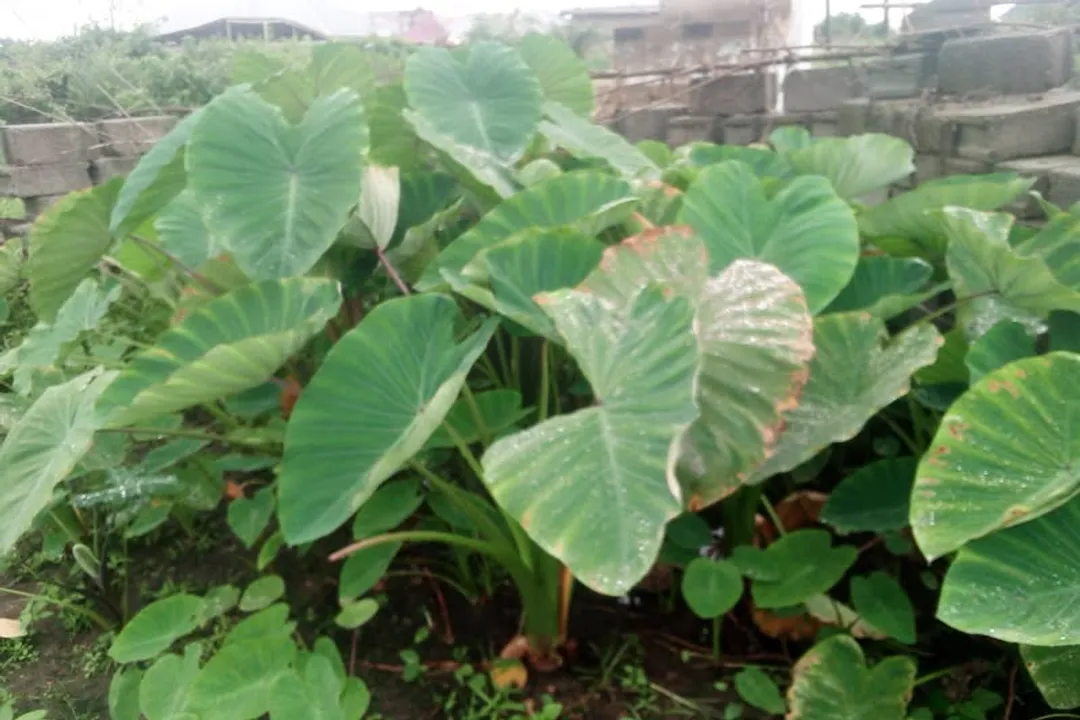
Xanthosoma brasiliense, often known by evocative names like Tahitian Spinach or Taioba, represents a fascinating intersection of wild edible plants and practical nutrition, particularly within tropical and subtropical food systems. This aroid species, part of the Araceae family, offers much more than just green foliage; it is a source of significant nutritional density and interesting phytochemical activity that warrants closer examination by home gardeners and researchers alike. Its unassuming appearance belies a complex profile that has sustained communities, moving from localized knowledge into broader scientific interest.
# Identity Origins
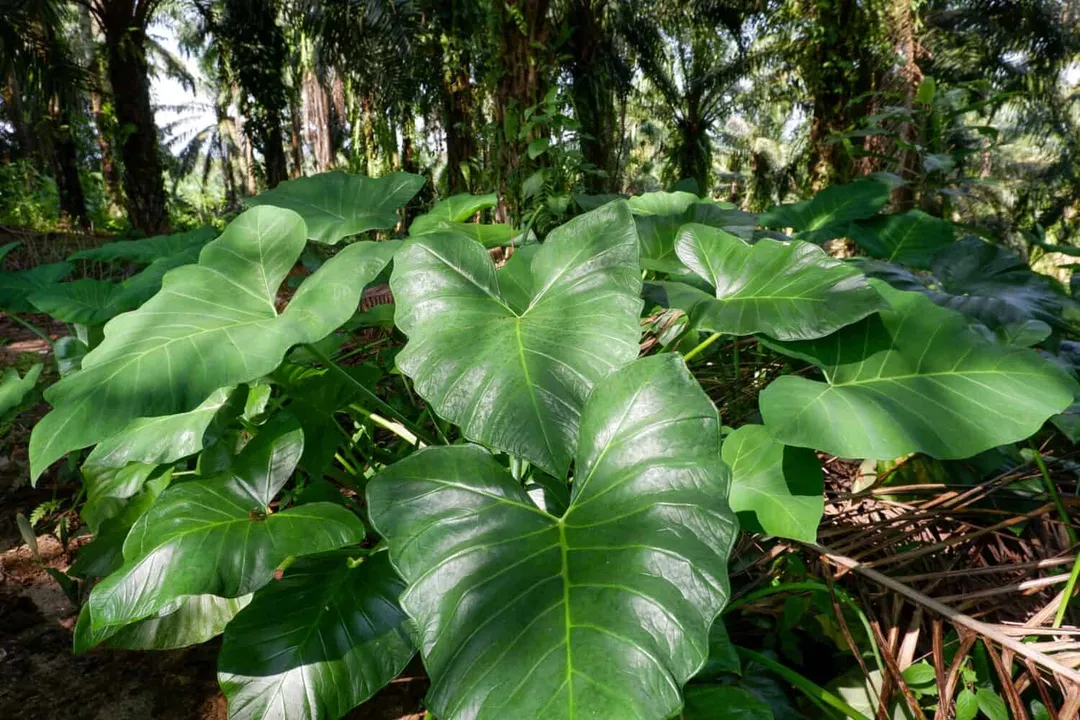
The nomenclature surrounding this plant can be somewhat fluid, which sometimes complicates its recognition across different regions. While commonly referred to as Tahitian Spinach, indicating its use as a leafy green substitute, it is also known locally by other names, such as Taioba in some contexts, although Taioba often refers to Xanthosoma sagittifolium. Understanding its specific identity is key, as nutritional profiles can vary even between closely related Xanthosoma species. This species thrives in moist, warm environments, suggesting its cultivation success is tied directly to tropical climate accessibility. Its preference for these environments means that in regions like Kerala, India, where it has been studied scientifically, it appears as a vital, seasonally available vegetable. In other areas, such as parts of Ghana, it is being actively encouraged within home gardening initiatives, pointing toward its value as a readily accessible, domestic food source.
# Nutrient Content
The primary draw for incorporating Xanthosoma brasiliense into the diet lies in its substantial nutrient composition when prepared correctly. Analyzing its leaves reveals an impressive concentration of essential vitamins and minerals, making it a strong candidate for supplementing staple diets that might otherwise lack micronutrient diversity. Scientific evaluations have highlighted significant levels of macro- and micronutrients present in the edible portions. For instance, its content of minerals like iron and calcium is notable, positioning it as an important contributor to daily intake requirements, especially in populations where these minerals are often deficient in the main diet. Furthermore, the leaves provide a respectable source of protein and fiber. When comparing its general profile to that of other common local greens, its high mineral content, particularly iron, often stands out, although this must always be balanced against potential anti-nutrient factors that are common in this plant family and necessitate proper preparation.
It is essential to recognize that the nutritional yield is directly dependent on its preparation. Like many aroids, raw consumption is generally discouraged due to the presence of calcium oxalate crystals, which can cause irritation. Therefore, the beneficial nutrients are unlocked only after thorough cooking, which neutralizes these compounds. Thinking about daily vegetable intake, if a standard serving of cooked Xanthosoma brasiliense leaf provides, say, 15% of the recommended daily intake for iron—a figure that might be higher than common spinach in some locales—it becomes a cornerstone food item rather than just a side dish. This practical aspect of preparation is non-negotiable for maximizing the health rewards.
# Antioxidant Activity
Beyond basic sustenance, Xanthosoma brasiliense exhibits potential due to its rich array of phytochemicals. Research focusing on samples from Kerala, India, pointed toward significant antioxidant potential stemming from various bioactive compounds present in the leaves. These compounds help combat oxidative stress in the body, a key factor in the development of many chronic diseases. Studies employing in vitro models have indicated the presence of polyphenols and flavonoids, which are well-known for their radical scavenging capabilities.
This chemical makeup suggests that regular, moderate consumption could offer protection at a cellular level. While the specific concentration of individual antioxidants might differ based on soil, maturity, and processing methods—a known variable across different Xanthosoma studies—the overall capacity for antioxidant defense appears significant. For instance, one investigation noted strong activity against specific free radicals, suggesting a wide-ranging protective effect beyond just one or two specific molecules. This is where its value transcends simple vitamin provision; it offers systemic support against cellular damage.
# Physiological Effects
The scientific inquiry into this plant extends to its functional physiological effects, most notably its potential role in managing blood sugar levels. A pioneering study specifically looked into the antidiabetic potential of Xanthosoma brasiliense, analyzing its biochemical profile in detail. The presence of certain compounds suggests mechanisms that could influence glucose metabolism. This interest is supported by observations in related Xanthosoma species, where nutrient composition has been linked to physiological outcomes in animal models, such as studies on Xanthosoma sagittifolium leaves and their effects on healthy rats, which demonstrated measurable impacts on metabolic markers.
The implications for managing conditions like Type 2 diabetes are currently under investigation, but the initial data is encouraging enough to warrant its inclusion in a balanced diet, assuming medical advice is followed. It is interesting to note the convergence of traditional wisdom regarding healthful eating and modern scientific confirmation of bioactive properties; the plant has long been valued as a nutritious vegetable, and science is now providing the molecular rationale for that long-held community knowledge. Integrating this vegetable into a diet aimed at general metabolic wellness could be as simple as substituting it for less nutrient-dense cooked greens on rotation, an easy adjustment for a home gardener who harvests their own supply.
# Culinary Practice
The use of Xanthosoma brasiliense in the kitchen is centered around its classification as a cooking green. It is generally not eaten raw due to the aforementioned irritants. The method of preparation must prioritize safety first, which usually means boiling, steaming, or sautéing until the leaves are tender and fully wilted. In some culinary traditions, the leaves are cooked down significantly, sometimes incorporated into stews, soups, or served as a simple side dish mixed with fat or seasoning.
The flavor profile is generally described as mild, similar to spinach or Swiss chard, which makes it versatile for absorbing the flavors of accompanying ingredients like garlic, onion, or spices. For those new to cooking with this specific leaf, a basic approach works best: boil the chopped leaves for about 10 to 15 minutes, drain thoroughly to remove excess water (which might carry off some water-soluble nutrients, but is necessary for texture and safety), and then return them to the pan to sauté with a little oil and salt. This systematic approach ensures both palatability and safety. Unlike some other greens that become mushy quickly, Xanthosoma leaves tend to retain a bit more structure, offering a pleasant mouthfeel even after thorough cooking.
# Growing Tips
For those interested in cultivating this beneficial plant, Xanthosoma brasiliense is relatively straightforward, provided the basic climatic needs are met. It prefers consistently moist soil and partial to full shade, especially protection from the harshest midday sun, which can scorch the leaves. This preference for moist conditions means that areas prone to drying out will require diligent watering or placement near natural water sources.
When planting, ensure the soil is rich in organic matter to support vigorous leaf production. If you are gardening in an area with distinct dry seasons, managing irrigation becomes the most critical variable for a continuous harvest. An actionable gardening strategy involves planting clumps near established trees or structures that provide afternoon shade, which helps conserve soil moisture and prevents leaf burn, leading to larger, healthier harvests ideal for cooking. This plant readily produces offsets, allowing gardeners to quickly increase their patch size without needing to start from seed frequently, making it a rewarding, self-propagating addition to a food garden.
Related Questions
#Citations
Tahitian spinach - Survival Food Plants
XANTHOSOMA BRASILIENSE - Cahuita Wildlife Lodge – Tours ...
Xanthosoma brasiliense - Useful Tropical Plants
Pioneering study on phytochemical, nutritional, antioxidant, and ...
Xanthosoma brasilense - Leaf for Life
species used to prevent osteoporosis in Brazilian traditional medicine
[PDF] ANTIDIABETIC POTENTIAL OF XANTHOSOMA BRASILIENSE AND ...
Are taro leaves as nutritious as cocoyam leaves? - Facebook