Health Benefits of Sloe
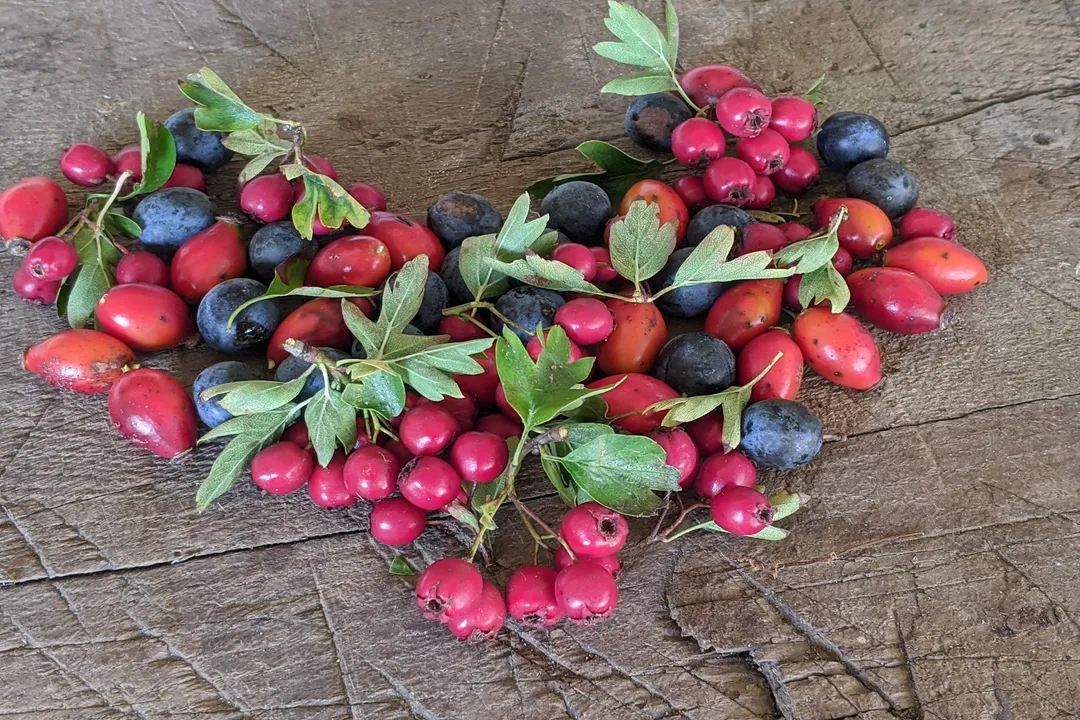
The small, dark-blue fruits of the Prunus spinosa shrub, commonly known as sloes or blackthorn berries, have occupied a significant space in both folklore and domestic remedies for centuries across Europe. [2][4] These tart fruits, which grow on thorny bushes often associated with ancient hedgerows and wild landscapes, are not typically eaten raw due to their intense astringency. [2][7][8] However, beneath that puckering sensation lies a profile of compounds that have led to their use in various health-supporting preparations, often involving alcohol or sugar to temper their sharpness. [8] Understanding the benefits means looking beyond the raw taste and into the chemistry and traditional applications rooted in generations of observation. [2]
# Chemical Profile
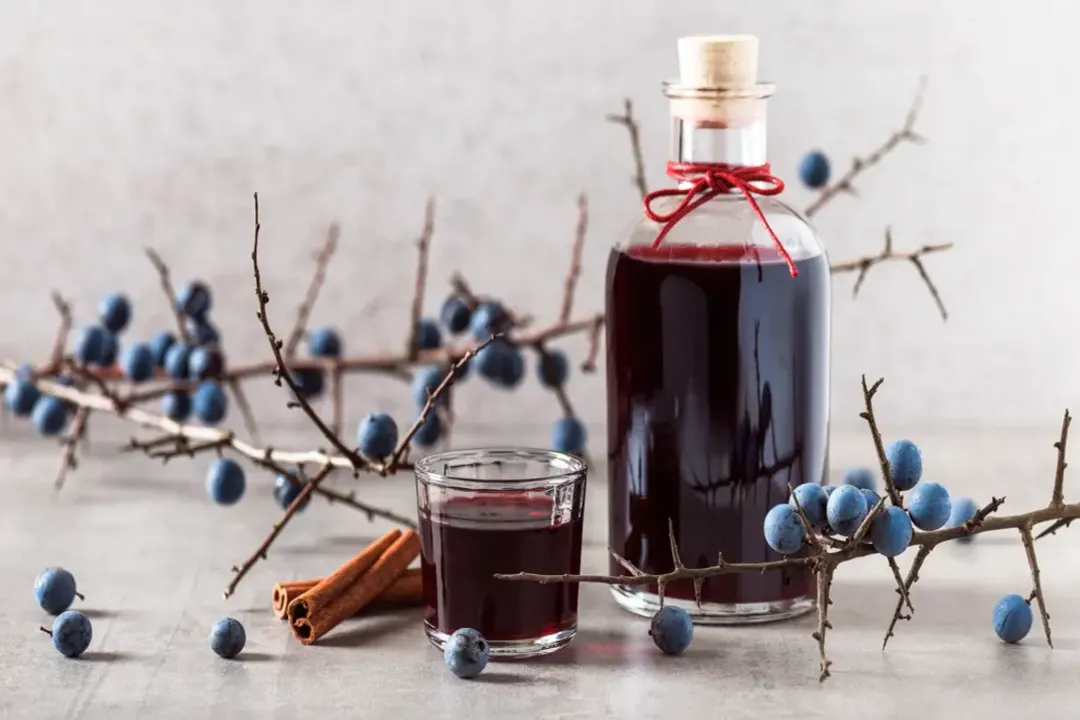
The perceived power of the sloe berry is directly linked to its dense composition of bioactive elements. [1] These small drupes are rich in significant plant compounds, particularly tannins and flavonoids. [1] Tannins, which are responsible for the dry, astringent mouthfeel, are polyphenolic compounds known for their ability to bind with proteins and other molecules. [2] This astringency is a key indicator of their traditional use as a remedy. [2] Furthermore, studies have noted the presence of various phenolic acids and anthocyanins, which contribute to the fruit’s deep color and potential antioxidant capacity. [1] While the fruit contains these beneficial components, it is worth noting that traditional medicinal use often included parts of the plant beyond the fruit, such as the bark and leaves, which also possess distinct chemical profiles. [3][4] For instance, the bark contains tannins and has been historically employed for its purported astringent effects, although modern supplement use typically focuses on extracts or the fruit itself. [3]
# Digestive Aid
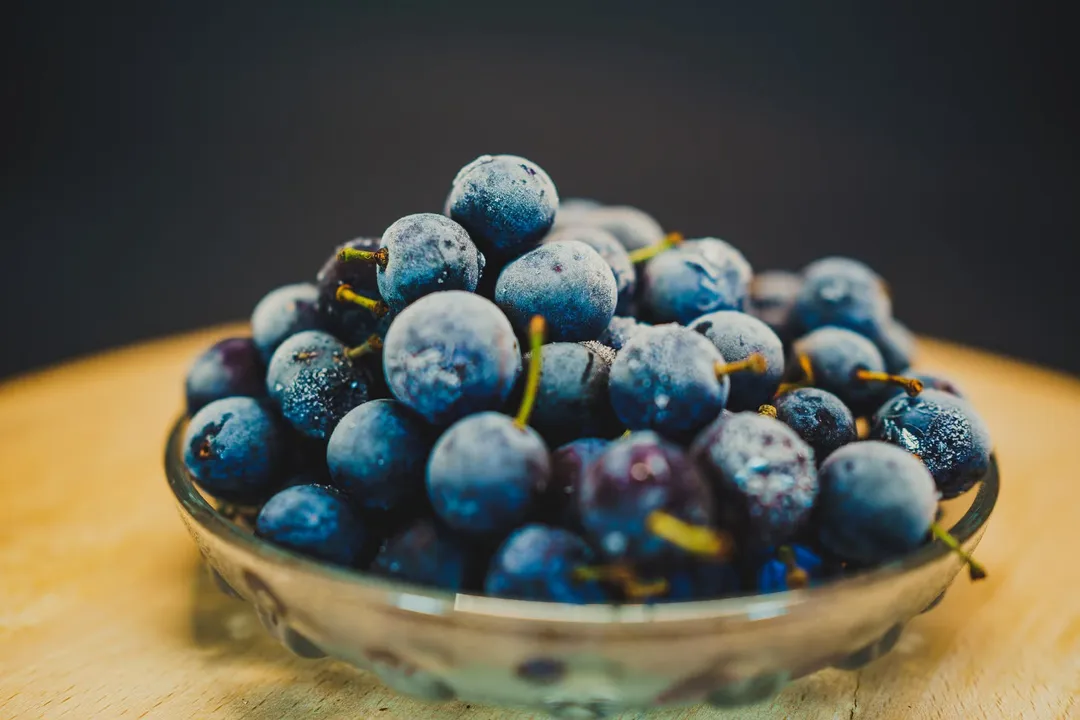
One of the most enduring traditional uses for the sloe berry centers on supporting the digestive system, largely attributed to its high tannin content. [2] In traditional herbalism, astringents are often recommended for addressing loose stools or mild diarrhea. [2] The mechanism here involves the tannins binding to the mucosal lining of the digestive tract, which can have a temporary toning effect. [2] This action contrasts with, say, a laxative, which speeds up transit; the sloe acts more as a mild ‘tightener’. [2] Historically, preparations like sloe tea, made from dried fruit or leaves, were employed for this purpose. [2]
It is important to compare this with other astringent foods. While one might compare the initial bite to an unripe persimmon or a very strong black tea, the effectiveness of sloe in tradition suggests a particularly potent concentration of these binding agents. [2] If one were preparing a home remedy, one might consider that the concentration of these compounds can vary based on the time of harvest; sloes collected after the first hard frost are often slightly sweeter due to starch converting to sugar, potentially making them slightly easier to consume in small quantities, though the high tannin level remains. [7] This contrast highlights the necessity of processing: for culinary enjoyment, the harshness must be masked, but for medicinal purposes, the harshness is the desired effect, albeit a temporary one. [8]
# Antioxidant Capacity
The vibrant dark purple-blue hue of the sloe fruit hints at another important health consideration: its content of antioxidants. [1] The source material points specifically to flavonoids and anthocyanins as contributors to this profile. [1] Antioxidants are compounds that help protect the body's cells against damage caused by free radicals, which are unstable molecules generated during normal metabolic processes or in response to environmental stressors. [1]
While the PMC article notes the need for further scientific substantiation regarding specific health outcomes, the presence of these known protective compounds aligns the sloe berry with other dark-colored berries celebrated for their potential to support cellular health. [1] In the context of general wellness, incorporating foods rich in these pigments, even in processed forms like sloe liqueur or jam, introduces these beneficial phytochemicals into the diet. [8] It is a gentle way to support the body’s inherent defense mechanisms against daily oxidative load. [1]
# External and Other Traditional Uses
The utility of Prunus spinosa extends beyond internal consumption, touching upon areas related to skin health and external applications, often drawing from the bark and leaves. [4] The high tannin content that benefits the gut is also valued externally for its astringent and mild antiseptic properties. [3][4] Historically, decoctions made from the bark were sometimes used as a gargle for sore throats or applied topically to address minor skin irritations, leveraging that protein-binding quality to soothe inflamed tissues. [3][4]
The bark itself is mentioned as a traditional remedy component, sometimes utilized as a substitute for Cinchona bark (which contains quinine) due to its bitter constituents, suggesting an application in febrifuge preparations, although this is a historical context rather than a modern recommendation. [3] This versatility—using the fruit for digestion and the bark for external toning—demonstrates an extensive, albeit pre-scientific, understanding of how different parts of the plant contained different concentrations of active principles. [2][4]
# Culinary Processing and Safety Considerations
While the focus here is on health, the path to safely accessing the sloe's beneficial compounds often involves preparation, which itself is an important piece of practical knowledge for anyone interested in wild harvesting. [7] A sloe berry picked directly from the bush tastes intensely sour and mouth-puckering because of the tannins. [7] They should generally not be eaten raw in quantity. [2]
The most famous method of preparation, sloe gin, works by infusing the fruit in alcohol, often after the first frost, which mellows the flavor profile by breaking down some of the internal structures and allowing the alcohol to extract the desirable flavors and compounds. [8] This processing transforms the fruit from an unpalatable raw item into a palatable digestif, making the gentle consumption of its components feasible. [8]
A useful consideration for the aspiring forager is the timing of the harvest relative to temperature. While some traditions insist on waiting for the first frost to soften the fruit, modern understanding suggests that freezing the berries artificially (e.g., in a home freezer) can achieve a similar effect of breaking down the cell walls, thereby reducing the harshness before maceration in spirits or cooking. [7] This artificial frost mimics the natural process, making the harvest less dependent on unpredictable early winter weather patterns. [5]
| Plant Part | Primary Traditional Use | Key Compound Implied |
|---|---|---|
| Fruit | Digestive support (astringent) | Tannins [2] |
| Fruit | Antioxidant support | Flavonoids, Anthocyanins [1] |
| Bark/Leaves | External application, gargles | Tannins [3][4] |
# Pharmacological Investigation
The interest in the sloe fruit is not purely historical; contemporary research is investigating its components with a modern lens. [1] Scientific evaluation often focuses on confirming the efficacy suggested by centuries of traditional practice. [1] The aforementioned PMC study, for instance, looks at the in vitro activities of extracts from Prunus spinosa. [1] These laboratory assessments help categorize the berry within the broader pharmacopeia of wild fruits, allowing researchers to isolate and quantify the effects of the identified phenolic compounds. [1] This chemical scrutiny moves the understanding from "good for the gut" to understanding why it is good for the gut on a molecular level, focusing on mechanisms like enzyme inhibition or radical scavenging capacity. [1]
One area where pharmacological interest intersects with traditional use is in potential anti-inflammatory effects, often associated with high polyphenol content found in many dark berries. [1] While the sources do not provide definitive proof of specific therapeutic doses for modern ailments, they confirm that the plant material contains bioactive agents worthy of continued study, providing a scientific basis for its historical reputation. [1] This is a common pattern where ethnobotany informs modern phytochemical research. [1][2]
To truly appreciate the sloe, one must recognize the inherent bitterness as a protective mechanism of the plant, which nature has cleverly packaged with stabilizing compounds. [6] Think of the sloe as a highly concentrated, natural pharmacy tucked inside a thorny defense system, meant to be respected and processed before consumption. [6][7] Its value lies not in immediate gratification but in the transformation it undergoes, yielding both a culinary delight and concentrated natural compounds beneficial for bodily balance when used appropriately. [8] The sheer density of tannins and phenolics, though making it unpalatable raw, is precisely what makes it a fascinating subject for both the home preserver and the biochemist. [1][2]
#Videos
Sloe Secrets: The Ancient Food & Medicine of Our Ancestors
Related Questions
#Citations
Blackthorn—A Valuable Source of Phenolic Antioxidants with ...
Sloe (Blackthorn) – Robin Harford from Eatweeds
Blackthorn: Health Benefits, Side Effects, Uses, Dose & Precautions
The Versatile Prunus Spinosa: Exploring the Many Uses of Blackthorn
Sloe – here's why this fruit's so healthy! | FreshMAG by Liebherr
Sloe Berry / Blackthorn Berry: Magickal Properties & Uses
It´s Wild Berry Time: All About Sloes, Sea Buckthorn, Hawthorn ...
Blackthorn: Recipes and Benefits of Sloe | Fine Dining Lovers
Sloe Secrets: The Ancient Food & Medicine of Our Ancestors