Health Benefits of Nance
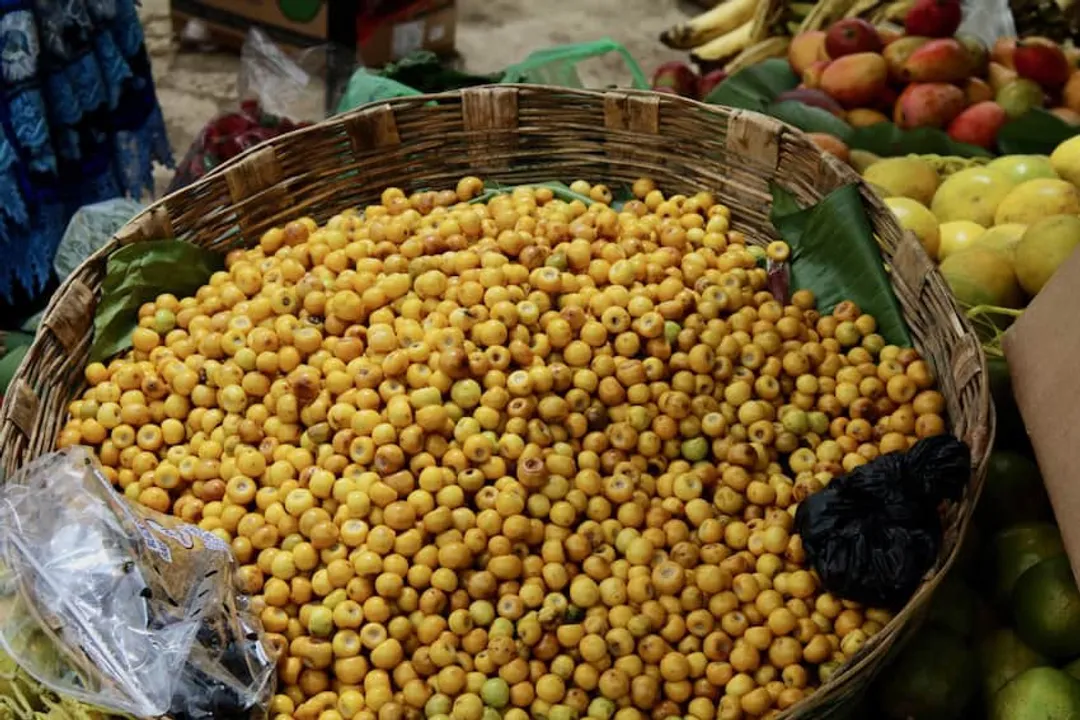
The small, golden-orange nance fruit, native to the tropical regions spanning Central and Latin America as well as the Caribbean, presents a flavor profile so unusual it often sparks strong reactions from first-time tasters. [1][2] Often compared visually to a cherry, the fruit of the Byrsonima crassifolia tree is barely an inch in diameter, covered in thin skin, and holds an oily, white pulp around one large pit. [1][2] Its taste is a complex mix, beginning with sweetness reminiscent of lychee, pear, and banana, followed by an acidic tang, and occasionally finishing with an unmistakable, savory aftertaste likened to Parmesan or cheddar cheese. [2] This characteristic odor and flavor combination means that while some readily embrace it, others find it too peculiar to enjoy regularly. [5]
# Nutritional Profile Comparison

What is certain about nance, regardless of its polarizing taste, is its dense nutritional content, which has supported communities for centuries. [5] The fruit is particularly notable for its extremely high concentration of Vitamin C. [1][2] While one source notes a half-cup serving (pitted) provides about 59% of the Daily Value (DV) for Vitamin C, [2] another reports a staggering 111% DV per 100 grams. Digging deeper into specific analyses, some varieties have shown Vitamin C content as high as 369 mg per 100 g. [5] For comparison, this potential concentration far exceeds that of many common citrus fruits, making nance a notable defender of the immune system. [1][2]
Beyond Vitamin C, nance fruit supplies essential elements like Vitamin E and Vitamin K, alongside minerals such as calcium, magnesium, and iron. [1][3] It is also a significant source of dietary fiber, which is key for digestive processes. [2] One serving calculation shows about 4 grams of fiber in a half-cup, [2] contributing substantially to the recommended daily intake. [2][3] Furthermore, analyses point to its status as a potent antioxidant, likely due to the presence of phenolic compounds and carotenoids. [2] A key finding from traditional use documentation highlights that some analyses also reveal high levels of Vitamin A, up to 650 mg/100 g in certain types, and a notably low sugar content, which could make it a favorable fruit choice for individuals monitoring their blood sugar levels. [5]
# Digestive Wellness

The presence of dietary fiber in nance strongly supports a healthy digestive tract. [1][2][3] Fiber functions by feeding beneficial gut bacteria and adding necessary bulk to stool, which aids in regularity. [2][3] Moreover, foods high in this component are often linked to increased satiety, meaning they can help individuals feel fuller for longer periods, potentially assisting in moderating overall caloric intake. [3] Interestingly, historical medicinal practices by the Aztecs show a deep understanding of this effect, as they specifically used the fruit and bark to address digestive issues like dysentery, constipation, and general stomach pain. [5]
# Skin Resilience

The high Vitamin C content translates directly into benefits for skin health. [2][3] This crucial nutrient is known to support the body’s production of collagen, a protein vital for keeping skin resilient and maintaining a youthful appearance. [2][3] Adequate Vitamin C intake is also associated with reducing damage caused by environmental factors like sun and ozone exposure. [2] Furthermore, the fruit contains Vitamins A and E, which work alongside Vitamin C to nourish the skin. [3] This internal nourishment is complemented by external applications derived from the plant's seeds.
Nance oil, extracted specifically from the seeds, is gaining attention in hair care for its moisturizing, strengthening, and protective qualities. [6] This oil is rich in essential fatty acids and antioxidants, which can help the hair strands resist environmental damage, including protection against UV radiation. [6] The oil’s emollient properties work to deeply moisturize, reduce brittleness, and smooth the hair cuticle, thereby enhancing natural shine and gloss. [6] An added layer of benefit is seen at the scalp level, where the oil’s anti-inflammatory properties can soothe irritation and itchiness, balancing sebum production while boosting circulation to support healthier hair growth. [6]
It is insightful to note the contrast here: the fruit itself, with its unique flavor and perishability due to easy fermentation, presents a challenge for regular consumption and global distribution. [5] However, the oil derived from the seeds bypasses these issues, offering a stable, year-round topical ingredient that addresses external health concerns like dryness and dullness without requiring one to overcome the fruit’s polarizing taste. [6]
# Traditional Medicine

Long before modern nutritional analysis, the nance tree was valued across various parts of the Americas for its wide range of perceived medicinal applications. [1][5] While the pulp offers internal benefits, different parts of the tree served distinct therapeutic needs. [1] For instance, decoctions made from the bark were historically applied to treat skin ailments such as scabies, pimples, and corns. [5] In folk medicine, the bark was also employed for addressing diarrhea, various rashes, wounds, and pulmonary ailments, and it was believed to bring relief from general fatigue and aching bones. [1]
Looking at the historical application in obstetrics, the bark preparations were applied to gynecological issues, including ovarian inflammation, and were even thought to assist in childbirth and prevent miscarriage. [5] Additionally, the fruit itself was credited with stimulating the formation of antibodies and red blood cells, while also being used to help strengthen bones and teeth and boost memory function. [1]
# Cultural Significance
The consumption and use of nance are deeply interwoven with Mesoamerican traditions, tracing back to Mayan origins. [5] The fruit, or nanche as it is often called in Mexico, plays a part in the local economy and community health, especially in regions like Costa Rica and Panama. [5] Culturally, its preparation is diverse: it can be eaten raw, frequently seasoned with lime and chili powder in Mexico, [2] or cooked down into jams, jellies, or used as a stuffing for meat. [1] In Panama, it is famous as the base for pesada de nance, a traditional sweet-tart custard, [1][2] and is also used to create chicha, a fermented, beer-like beverage. [1] In the United States, if one is seeking it fresh, checking Latin or Caribbean specialty markets is often the best strategy, though frozen varieties are sometimes available. [1]
Despite its historical importance and documented benefits, the cultivation of nance has seen a decline in recent times. [5] This shift is attributed to several practical and cultural factors. People are increasingly favoring non-native fruits that are easier to transport and preserve, and which may have a more universally appealing appearance or scent. [5] The fruit's very short harvesting season—lasting perhaps only two to four months—and its tendency to ferment quickly present real hurdles for competitive, large-scale market distribution. [5]
# Preparation Methods
When incorporating this fruit into a modern diet, keeping its unique nature in mind is key. Eating it fresh requires removing the pit, which is a choking hazard and inedible. [2] Because of its mixed flavor, it pairs well across the culinary spectrum, moving easily from sweet to savory applications. [2] For those favoring sweetness, purees or juices are common, or they can be incorporated into ice cream. [1][2] If you find yourself with an overabundance during its short season, consider making it into marmalades. [1][3] For a savory twist, mixing sliced nance with chicken, rice, and olives has been a traditional approach. [2][3]
One final consideration for those looking to experiment with traditional flavors is its use in alcoholic preparations. Beyond the fermented chicha, it is distilled into crema de nance, a rum-like cream popular in certain regions. [1][2] If one is unsure how to approach the fruit’s intense flavor, thinking of it like an olive—which it sometimes resembles in texture when preserved in brine—can guide savory pairings. [2]
Related Questions
#Citations
Health Benefits of Nance Fruit - WebMD
Nance Fruit: Nutrition, Benefits, and Precautions - Healthline
Nance - Arca del Gusto - Slow Food Foundation
Nance Nuance: Discovering Oil's Benefits for Hair Care | Clinikally
Nutrition facts-Nance Fruit | Health benefits
Mexican nance: The fruit that tastes like cheese - Mexico News Daily