Health Benefits of Lulo

The Lulo fruit, often known by its Quichua name Naranjilla, presents a unique intersection of flavor and potential wellness support, making it more than just a regional delicacy. [2] This small, orange-skinned fruit, native to the Andean regions of South America, carries a distinct, slightly acidic, and somewhat tart taste profile that many describe as a mix between a tomato and a pineapple. [8][4] While its primary fame often rests on its culinary applications—especially in fresh juices or latico drinks—its composition offers several compelling reasons why it has been esteemed for its beneficial properties for generations. [2][3]
# Nutrient Content
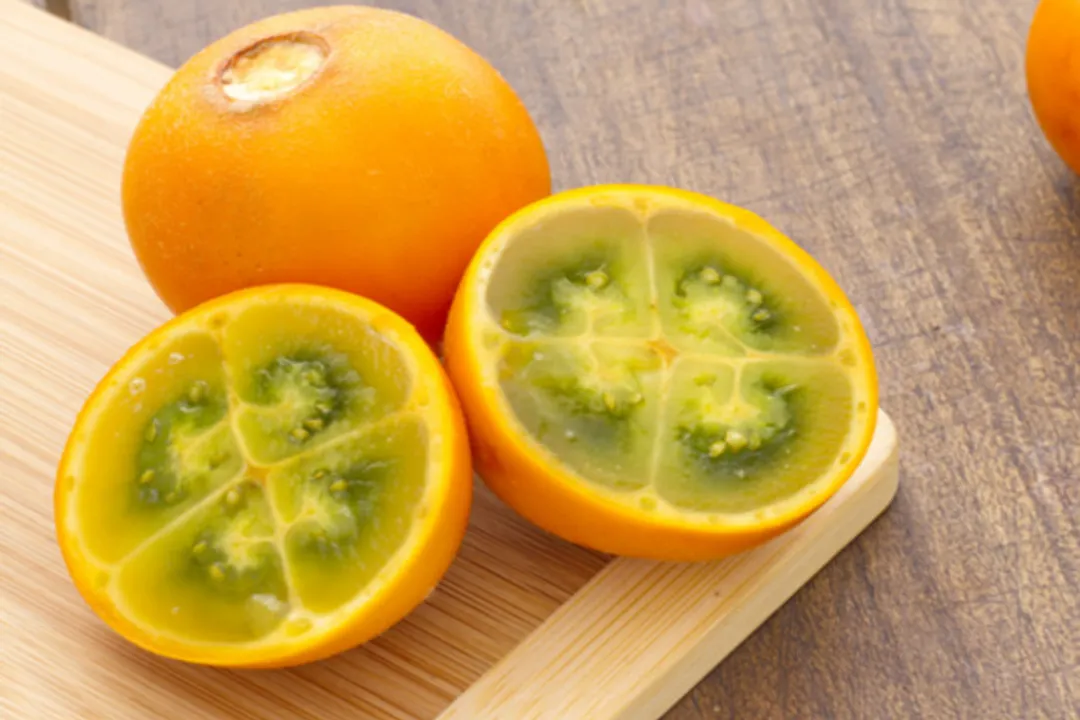
Understanding the foundation of Lulo’s reputed advantages begins with its composition. The fruit delivers a respectable profile of essential vitamins and minerals, contributing to overall bodily function. [1][9]
One of the most significant contributors to its nutritional value is Vitamin C, a well-known antioxidant vital for immune system maintenance and collagen production. [1][9] Beyond this familiar vitamin, Lulo also contains Vitamin A, which is essential for vision and skin health, alongside B-complex vitamins like niacin (Vitamin B3). [1]
When looking at minerals, Lulo supplies necessary amounts of calcium and phosphorus, which are foundational for maintaining strong bones and teeth. [1][9] Iron, another vital mineral often lacking in modern diets, is also present, supporting the creation of red blood cells and helping to prevent anemia. [1]
A deeper look at the fruit’s chemical makeup suggests the presence of compounds that influence its biological activity. For instance, research has pointed toward the presence of specific carotenoids and flavonoids within the fruit’s structure, which function as agents against oxidative stress within the body. [5] This places Lulo firmly in the category of functional foods where the taste experience is coupled with measurable biochemical support. [5]
# Comparative Analysis
While many tropical fruits boast high Vitamin C, Lulo's uniqueness often stems from its combination of acidity and essential minerals. [4] If one were to compare its profile to, say, an orange, Lulo might offer a lower immediate burst of Vitamin C but potentially a more balanced array of trace minerals needed for cellular respiration and bone density, which warrants attention for those seeking comprehensive micronutrient intake rather than just a single vitamin boost. [1] Furthermore, the fibrous nature, particularly when the pulp is consumed, aids in dietary intake of non-digestible matter.
# Digestive Aid
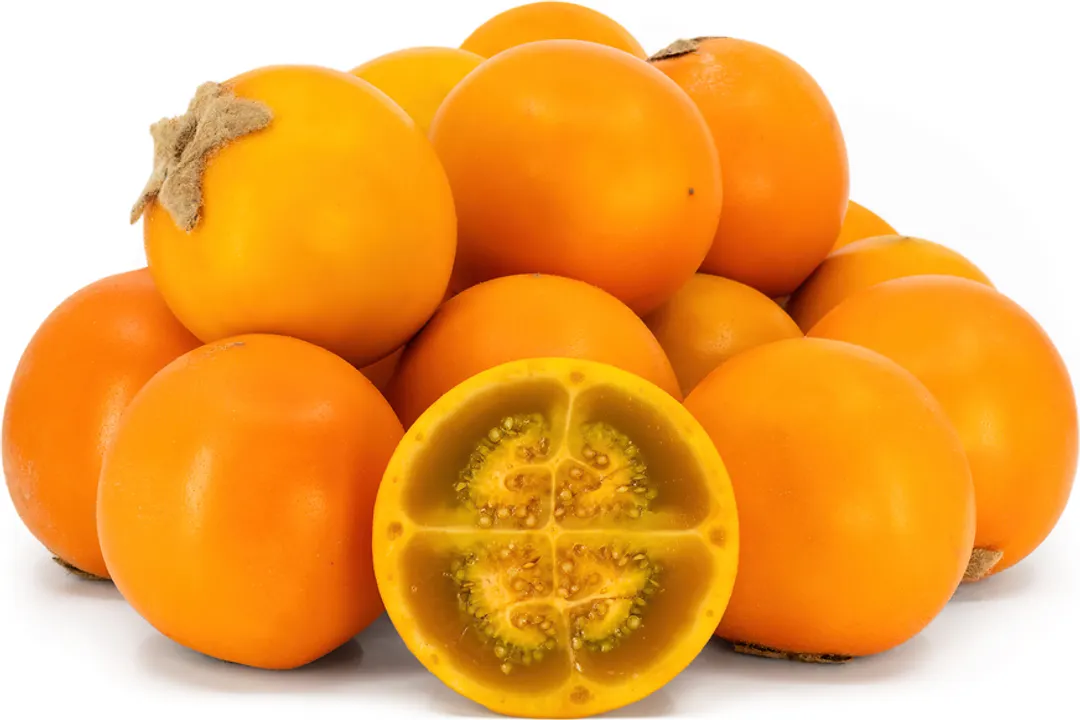
Lulo is often cited for its supportive role in the digestive system, a benefit intrinsically linked to its fibrous content and natural acidity. [1][9]
# Fiber Intake
The presence of dietary fiber in Lulo pulp is crucial for promoting regular bowel movements and supporting gut health. [1] Fiber adds bulk to stool, helping to prevent constipation and ensuring that the digestive tract functions smoothly. [1] Consuming whole fruit, rather than just strained juice, maximizes this benefit.
# Acidity and Digestion
Its characteristic sour or acidic nature is sometimes misleading; while too much acidity can bother sensitive stomachs, moderate consumption can actually stimulate the production of digestive juices. [4] This stimulation can prepare the stomach and intestines for incoming food, potentially improving the efficiency of nutrient breakdown and absorption. [4] This fruit naturally possesses qualities that support internal cleansing, a concept frequently mentioned in traditional usage contexts. [9]
Considering how Lulo is frequently consumed—often as a cold beverage—it presents an interesting counterpoint to very sweet, sugary drinks. If a person typically relies on processed beverages for hydration, substituting this natural, slightly tart drink provides fluid replacement alongside fiber and key micronutrients, making it a functional choice for afternoon refreshment. [2]

# Skin Appearance
Perhaps one of the most advertised areas of Lulo’s benefit profile relates directly to external health, specifically the appearance and condition of the skin. [6][9] This is supported by both the fruit's nutrient composition and its application in cosmetic preparations. [6]
# Antioxidants for Vitality
The vitamins and phenolic compounds within Lulo contribute to skin health from the inside out. [5][6] Vitamin C is essential here, as it is a necessary cofactor for the synthesis of collagen, the protein that provides skin with its structure, firmness, and elasticity. [1][6] Adequate intake can help the body repair and maintain skin tissues effectively. [6]
Furthermore, the antioxidants—including those compounds identified in scientific reviews [5]—work to neutralize free radicals generated by environmental stressors like UV exposure and pollution. [6] By mitigating this oxidative damage, Lulo consumption may help slow down visible signs of aging, such as fine lines and dullness. [6]
# Topical Use
While internal consumption is beneficial, Lulo pulp has historically been integrated into external beauty routines. [6][9] The high water content aids in hydration when applied topically, and its slight acidity can act as a mild astringent. [6] Some traditional practices even involve making pastes or masks from the fruit to treat minor skin irritations or blemishes, suggesting an inherent soothing quality, though careful testing is always advised before applying new substances to sensitive skin. [9]
# Antioxidant Defense
The presence of various bio-active compounds suggests Lulo’s role in bolstering the body's overall defense system against cellular stress, a primary factor in chronic disease development. [5]
# Free Radical Scavenging
The key lies in the aforementioned antioxidants, which are molecules capable of donating an electron to unstable free radicals without becoming unstable themselves. [5] This process effectively neutralizes the damaging chain reaction that these radicals initiate, which can otherwise harm DNA and cellular membranes. [5] The specific combination of compounds—including vitamins and various polyphenols—creates a synergistic protective effect that is often greater than the effect of any single compound in isolation. [5]
This protective capacity extends to supporting cardiovascular wellness, as reducing oxidative stress is linked to better blood vessel health and arterial function. [1] Maintaining low levels of systemic inflammation, supported by a diet rich in these protective substances, is fundamental to long-term well-being. [5]
# Considerations for Consumption
While the health advantages are notable, incorporating Lulo into a regular diet requires attention to its unique characteristics, particularly its strong acidity and texture. [8]
# Preparation Methods
The most conventional way to enjoy Lulo is by processing it into a beverage, as eating it raw often requires peeling due to its fuzzy skin. [4] However, simple juicing removes the beneficial pulp and fiber. [1] A preparation method that balances flavor and nutrition involves blending the strained pulp with water and a sweetener, but managing the sugar addition is important to keep the drink truly healthy. [8]
To extract maximum nutritional value while maintaining a palatable flavor, consider using the juice as a base for savory applications rather than solely sweet ones. For example, a reduction of Lulo juice mixed with mild herbs like cilantro or mint makes an excellent, tart marinade for poultry or fish, effectively transferring its vitamins and antioxidant content into a main meal component without adding excessive processed sugars. [2] This method honors the fruit's inherent acidity as a flavor enhancer rather than just a source of sugar dilution.
# Seed Composition
The seeds of the Lulo fruit are sometimes separated during preparation, but it is worth noting that they contain lipids and protein. [1] While literature often focuses on the pulp and skin, research into the full nutritional spectrum of the seeds could reveal additional, perhaps oil-soluble, benefits, although they are generally not consumed in large quantities. [1]
# Conclusion
Lulo, or Naranjilla, stands out in the fruit world not just for its intriguing flavor that bridges citrus and tropical notes, but for its dense offering of micronutrients. [4][8] From supporting foundational systems like bone health through calcium and phosphorus to actively contributing to cellular defense via its array of antioxidants, the fruit provides multifaceted support. [1][5] Its reputation in skincare circles is further validated by its Vitamin C content, vital for collagen structure, making it a fruit that benefits wellness both internally and outwardly. [6] Integrating this South American gem, perhaps in more creative, savory ways, allows one to experience its unique taste while capitalizing on a rich, natural source of vitality. [2]
Related Questions
#Citations
9 Surprising Benefits of Lulo | Organic Facts
LULO - Etnico - Cosechamos bienestar
HEALTH BENEFITS OF LULO. With a unique taste, it also provides a ...
Lulo Fruit: An Easy Guide To The Exotic Colombian Fruit - StyleCraze
Nutrients, Phytochemicals, and In Vitro Antioxidant and Antimicrobial ...
Benefits Of Lulo Fruit For The Skin
What's the benefit of the Lulo fruit? and why do we use it ... - Instagram
The most delicious citrus fruit from Fedenico that will impress your ...
27 Major Health & Beauty Benefits Of Lulo ( Naranjilla) Fruit
Lulo Information and Facts - Specialty Produce