Health Benefits of Kumquat
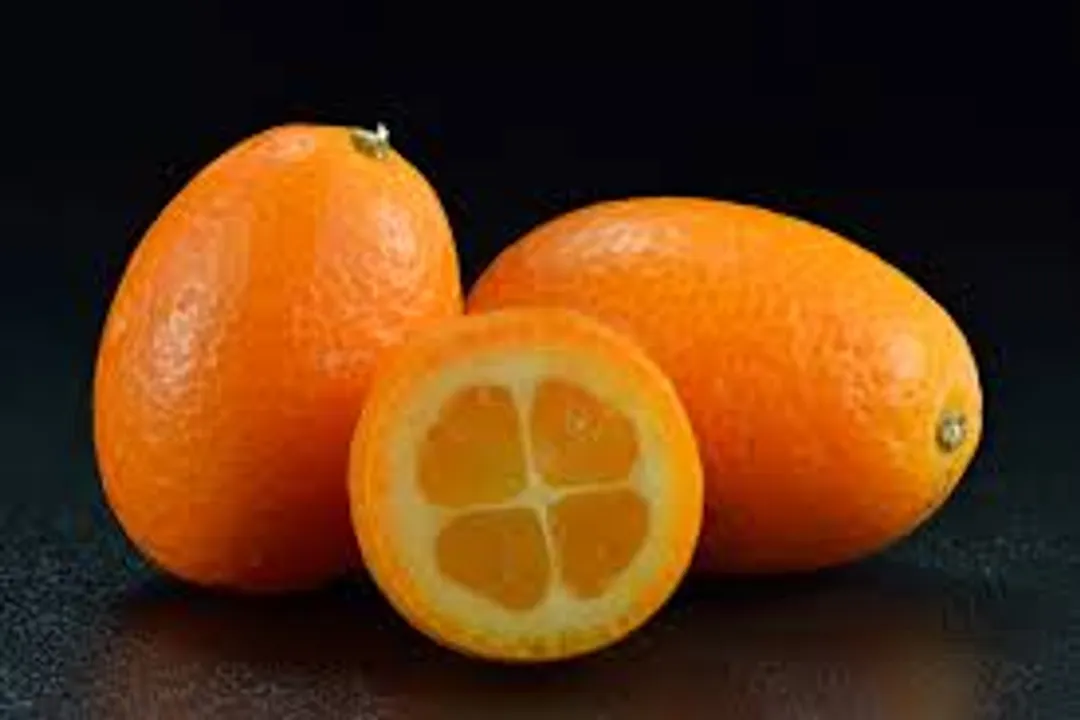
The kumquat, often mistaken for a tiny orange, presents itself as a fascinating anomaly in the citrus world. This small, oblong fruit, roughly the size of an olive or a large grape, carries a powerful punch of flavor and concentrated nutrition. [4][7] Native to China, where its name translates poetically to "golden orange," this fruit was introduced to the West in the 1800s and has quietly gained recognition for its unique composition. [4][3] What truly sets the kumquat apart from its citrus relatives is that the entire fruit—the rind, the pulp, and even the seeds (though often discarded)—is intended for consumption. [3][7] The appeal lies in this duality: the peel is notably sweet, while the inner flesh is bracingly tart, creating an intense, balanced burst of flavor when eaten whole. [4][7]
# Nutritional Density
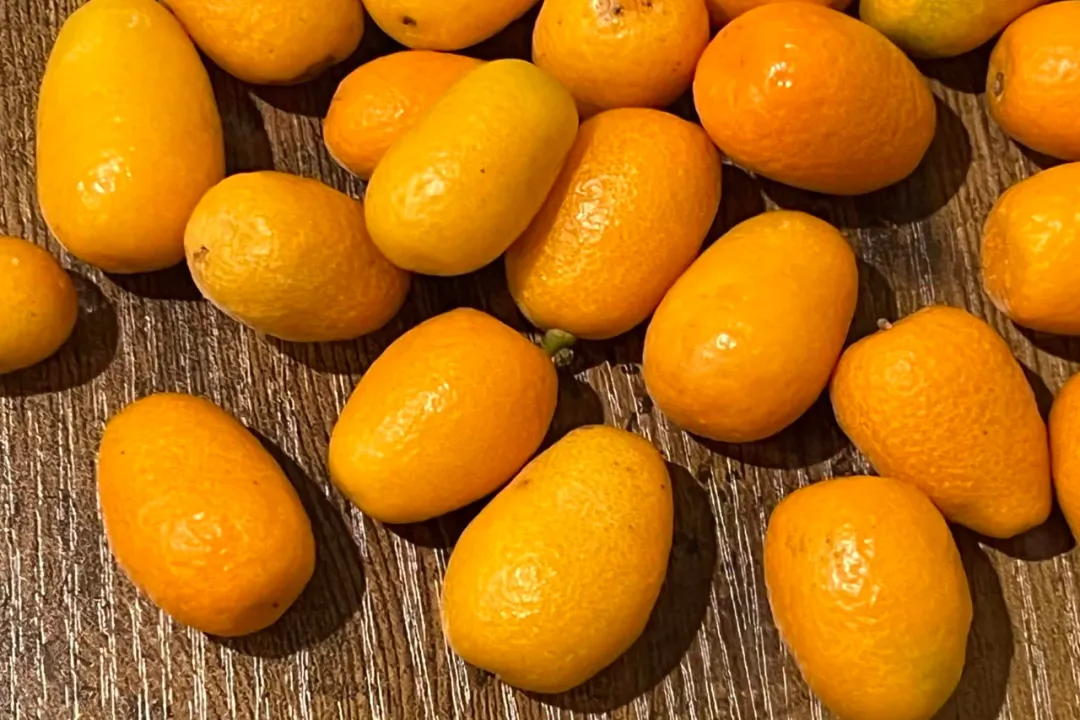
When examining the small stature of the kumquat, one might underestimate its nutritional contribution, but this fruit is a genuine powerhouse relative to its size. [5][6] For context, a 100-gram serving of raw kumquats contains approximately 71 calories. [5] This small package delivers an impressive amount of dietary fiber, clocking in around 6.5 to 7 grams per 100 grams. [1][5][3] To appreciate this statistic, consider that an equivalent serving of an orange provides significantly less fiber, meaning that by consuming the peel, you maximize your intake of this essential nutrient. [5]
The vitamin profile is equally compelling. Kumquats are especially noted for their Vitamin C content; one source suggests a single 19-gram fruit provides about 8.3mg, contributing significantly to daily needs. [1] In a 100-gram serving, the Vitamin C can reach close to 73% of the Recommended Daily Allowance (RDA) in some measurements. [5] Beyond Vitamin C, kumquats supply Vitamin A, which is crucial for several bodily functions. [4][7] Furthermore, they are a source of various B vitamins, Vitamin E, and vital minerals, including calcium, potassium, magnesium, iron, copper, zinc, and manganese. [3][5]
It is important to recognize that the concentration of nutrients varies significantly depending on which part of the fruit is consumed. The edible peel, which many omit when eating other citrus, houses a high concentration of fiber and antioxidants, including carotenes and essential oils like limonene. [5][7] This edible skin allows consumers to access nutrients that are typically discarded with the pith and zest of fruits like oranges. [5]
If we briefly contrast the kumquat with a common kitchen citrus, the lemon, the differences in composition become clearer. [9] While lemons often contain more Vitamin C per 100g and less sugar, kumquats boast considerably higher levels of fiber, calories, carbohydrates, Vitamin A, Vitamin B2, Vitamin B3, and a wider array of minerals such as calcium and magnesium. [9] Moreover, the glycemic index (GI) of the kumquat is reported as zero, suggesting a minimal immediate impact on blood sugar levels when eaten in its whole form. [9] This structural difference—high fiber and zero GI—offers a compelling argument for integrating them into diets aiming for steady energy release.
# Immune System Fortification
The presence of Vitamin C immediately positions the kumquat as a supportive fruit for immune defense. [7] Vitamin C is an indispensable antioxidant that the human body cannot synthesize on its own, meaning it must be obtained through diet. [4] Its role extends beyond simply fighting off illness; it is a necessary component for encouraging the creation of new collagen, a protein vital for tissue repair and the building of new cells. [1][4] For individuals recovering from wounds or surgery, consuming Vitamin C-rich foods like kumquats may assist in speeding up the healing process. [1]
However, the immune-boosting power is not solely dependent on Vitamin C. Kumquats contain a spectrum of antioxidants, including flavonoids and carotenoids such as beta-cryptoxanthin. [5][7] Scientific investigation suggests that these plant compounds may work to bolster the immune system actively. Specifically, some animal and test-tube studies indicate that components within the kumquat can help activate immune cells known as natural killer (NK) cells. [5] These NK cells are central to the body’s defense mechanism, helping to target and eliminate virus-infected cells and tumor cells. [5]
By encouraging the renewal of skin cells through collagen synthesis and providing protection against the damaging effects of free radicals—the unstable molecules linked to various diseases—the kumquat helps maintain a vibrant outer layer that reflects inner health. [1][4] This synergistic effect of multiple vitamins and antioxidants creates a shield against both external pathogens and internal cellular damage. [3]
# Digestive Health Management
The high fiber content found in kumquats is a significant asset for maintaining a smoothly functioning digestive system. [3][7] Fiber, both soluble and insoluble, plays distinct roles in gut health. [4] The fiber in kumquats is effective in managing common digestive discomforts such as bloating, gas, constipation, and stomach cramps by promoting regularity and assisting the elimination of waste. [1][3]
When considering the fiber intake, recall that just eight small kumquats can provide roughly 10 grams of fiber, a substantial contribution toward daily requirements. [1] For those focusing on metabolic health, dietary fiber is also recognized for its role in helping to manage diabetes by stabilizing blood sugar levels, and some reports even suggest that adequate fiber intake may help prevent the onset of diabetes entirely. [1]
If you frequently experience digestive upset, a simple, actionable step involves introducing kumquats gradually. Since the peel contains a significant amount of this fiber, start by eating just two or three fruits and observing your body’s response before increasing your portion. This careful titration allows your digestive tract to adapt to the increased bulk, letting you reap the benefits without the temporary discomfort of excess gas or bloating. [3]
# Heart Function and Metabolic Balance
The protective elements within the kumquat extend their influence to cardiovascular wellness. The high concentration of Vitamin C, coupled with a wealth of antioxidants and fiber, works against factors that compromise heart health. [7][3] Specifically, antioxidants like flavonoids found in the fruit may contribute to reducing the buildup of fatty deposits within the arteries. [3] This action is important because excessive arterial plaque contributes to conditions like high blood pressure, stroke, and heart failure. [3]
Furthermore, kumquats contain phytosterols, which possess a chemical structure akin to cholesterol. [5] This structural similarity allows them to potentially interfere with and block the absorption of dietary cholesterol in the body, which can result in lower overall blood cholesterol levels. [5] When considering weight management, the high fiber and water content work together to promote a lasting sense of fullness. [5][7] This increased satiety naturally reduces the tendency to overeat or snack between meals, making the kumquat a fitting choice for those monitoring their caloric intake. [3][5]
While much of the exciting research remains in preclinical stages, preliminary studies conducted on mice suggest a compelling link between kumquat extract—particularly from the peels rich in flavonoids like neocriocitin and poncirin—and metabolic regulation. [5] In these animal trials, kumquat extract helped minimize the increase in fat cell size and successfully maintained body weight in subjects fed high-fat diets. [5] Crucially, the extract also demonstrated the ability to help lower fasting blood sugar, triglycerides, and LDL (or "bad") cholesterol levels. [5] Though human studies are the necessary next step, the initial data points toward a positive role for these small fruits in managing indicators related to metabolic syndrome. [5]
# Bone Health and Vision Support
Strong skeletal structure relies on consistent mineral intake, and the kumquat contributes necessary building blocks. The fruit contains calcium, a mineral paramount for maintaining bone density. [1] In addition to the direct mineral contribution, the fruit’s high Vitamin C content plays an indirect, yet vital, role. Vitamin C is necessary for collagen formation, which is foundational to bone health, and it may help mitigate the risk of bone diseases such as osteoporosis, especially when contrasted against highly acidic foods that can leach calcium from bones. [1][3]
Simultaneously, your ability to see clearly is supported by this tiny fruit through its Vitamin A content. [1][4] Vitamin A is critically important for maintaining good vision and overall eye health. [1] Sources indicate that Vitamin A intake can help reduce the progression of cataracts and lower the incidence of macular degeneration, which is currently the primary cause of vision loss among adults. [1]
# Preparing for Enjoyment and Safety
The experience of eating a kumquat is unconventional and contributes to its appeal, but a few simple preparation techniques can enhance the flavor and ensure safety. [7][4]
# Flavor Balance
The key to appreciating the kumquat is understanding the sweet/tart dynamic. If you prefer a milder experience, gently rolling the fruit between your fingers before popping it whole into your mouth can help release the aromatic essential oils trapped in the peel, effectively blending the sweetness with the tart juice as you chew. [5][7] Chewing thoroughly also sweetens the overall profile. [5] If the tartness is overwhelming, you can slice off an end and gently squeeze the juice out, eating only the sweet peel, or you can briefly blanch the whole fruit in boiling water for about 20 seconds, followed by a cold rinse, which may soften the peel slightly. [4][7]
# Maximizing Benefit Through Preservation
Because fresh kumquats are often seasonal, usually available between November and June in the US, preserving them ensures year-round access to their benefits. [4][5] Since you are encouraged to eat the entire fruit, minimizing waste is easy. A highly effective method for preservation involves creating a purée of the whole fruit and freezing it. [5] This purée can then be easily added to smoothies, oatmeal, or used to stir into warm water or tea, capitalizing on the flavor and nutrition regardless of the season. [5][2] Alternatively, as noted in traditional remedies, infusing whole or halved slices in honey for one to two weeks creates a potent mixture celebrated for soothing sore throats and boosting immunity, especially during cold seasons. [2]
# Safety First
Given that the peel is consumed, cleanliness is non-negotiable. [4][5] You must thoroughly wash the fruit under running water before eating. [4] If you have any known sensitivities or allergies to citrus fruit peels or the limonene compound found within them, caution is advised, as contact dermatitis or other reactions can occur. [4][7] Furthermore, as with any fresh produce, there is a risk of surface contamination from germs like Salmonella or E. coli; proper washing of hands and surfaces used for preparation is necessary to mitigate this risk. [4]
The kumquat, in its entirety, offers a unique nutritional profile unlike other common citrus fruits. [7] By embracing the whole fruit, from its fiber-rich skin to its nutrient-dense pulp, you are choosing a convenient, low-calorie snack that actively supports defense systems, aids metabolic markers, and provides essential vitamins and minerals for long-term wellness. [5][3]
Related Questions
#Citations
Kumquats: Nutrition, Benefits, Risks, & Preparation - WebMD
What Are Kumquats Good for and How Do You Eat Them? - Healthline
What is Kumquat (Kumquat)? What are the Benefits? - NPİSTANBUL
Kumquat: What it is, how to eat it, and its benefits - Quieronaranjas
The Wonderful Kumquat - Grow Organic
What Is a Kumquat? Unique Benefits & Characteristics - Apollo 247
Unexpected benefits of kumquat honey - Kho Bo Cali
5 Benefits of Eating Kumquats Everyone Should Know
Kumquat vs. Lemon — Health Impact and Nutrition Comparison