Health Benefits of Kiwano (horned melon)

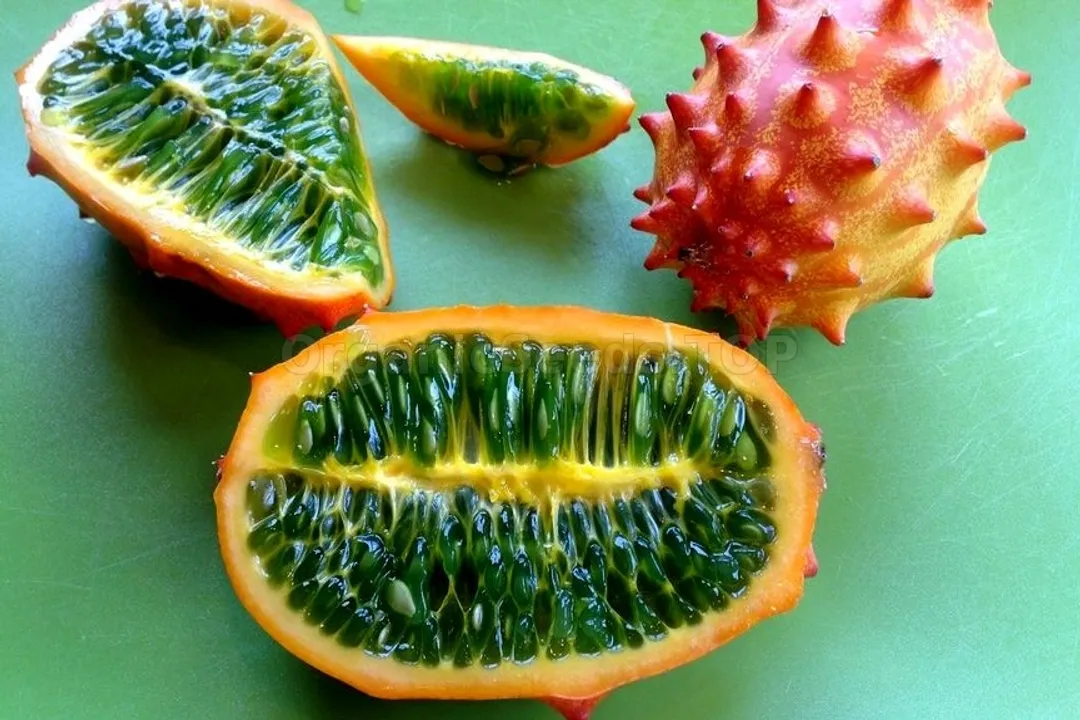
The fruit that looks like it belongs on an alien planet, the Kiwano melon, is quickly becoming a subject of fascination not just for its appearance but for the wealth of compounds packed inside its spiky shell. Often called the horned melon or African horned cucumber, this tropical curiosity (Cucumis metuliferus) hails from sub-Saharan Africa, though it is now grown in places as diverse as Israel, China, and Australia. When you finally slice through that thick, bright orange rind—adorned with those characteristic horns—you are met with an eye-catching, gelatinous, lime-green or yellow pulp surrounding numerous edible seeds. It’s the taste that truly surprises many newcomers; it’s generally described as a mild, slightly sweet, and tangy experience, sometimes reminiscent of a mix between a cucumber and a kiwi, with hints of banana when perfectly ripe.
But moving past its culinary novelty, the real value of the Kiwano melon lies in its nutritional density. This fruit is constructed primarily of water, sometimes reported as high as 88% by weight, which immediately suggests its role in maintaining proper fluid balance. Beyond simple hydration, however, it offers an impressive array of vitamins, minerals, and specialized phytochemicals that target several key areas of health, from digestion to circulation.
# Nutrient Profile

To appreciate the health claims, we must first look at what the Kiwano supplies the body. While nutritional data can vary slightly depending on maturity and testing methods, a standard one-cup serving (roughly 233 grams) of the raw pulp provides a foundation of essential micronutrients. It is notably low in calories, fat, and has a reasonable carbohydrate count for a fruit. For instance, one cup delivers about 103 calories, under 3 grams of fat, and just over 4 grams of protein.
What really stands out are the micronutrients:
- Iron: A single cup offers a significant portion of the daily iron requirement for many adults, clocking in around 33% of the average healthy male's needs.
- Magnesium: This essential mineral is well-represented, contributing about 22% of the daily value in that same serving size.
- Vitamin C: It’s an excellent source, providing over 13% of the DV, which is vital for immune function and skin health.
It is worth noting that the nutritional profile is not uniform across the entire fruit. Scientific analysis reveals that while the gelatinous pulp is refreshing and hydrating, the seeds and peel house concentrations of different compounds. For example, the seeds themselves are a concentrated source of fat-soluble vitamins, including Vitamin E (in the form of alpha- and gamma-tocopherols), and beneficial fatty acids like linoleic and oleic acid.
If you are incorporating this fruit into your diet, remember that its structural parts offer different payoffs. Because the seeds are rich in these beneficial oils and fat-soluble vitamins—unlike the water-soluble Vitamin C found abundantly in the pulp—you might consider maximizing nutrient absorption. Since the seed oil is rich in linoleic and oleic acids, which have demonstrated cardiovascular protective effects, a great way to introduce this is to lightly toast the seeds you choose to keep, grind them finely, and sprinkle this potent mixture over yogurt or salads, potentially enhancing the bioavailability of those oil-soluble components compared to consuming them suspended in the watery pulp. In addition, the peel, though usually discarded in Western preparations, shows high concentrations of fiber and certain antioxidants, suggesting potential for smoothies where the entire fruit is blended.
# Antioxidant Power
One of the most frequently cited health advantages of Kiwano is its impressive array of antioxidants. Antioxidants are compounds that fight oxidative stress, which is the cellular damage caused by unstable molecules called free radicals, a process linked to aging and the development of chronic conditions like heart disease and some cancers.
Kiwano delivers this protection through several mechanisms:
- Vitamins A and C: These are classic, crucial antioxidants present in the flesh.
- Vitamin E (Tocopherols): These are concentrated in the seeds and provide protection for nerves and blood vessels.
- Polyphenols and Carotenoids: Research points to these compounds being present across the pulp, peel, and seeds. Specifically, the seed oil contains carotenoids like beta-carotene, which can help make low-density lipoproteins (LDL) more resistant to oxidation.
Interestingly, the pulp alone contains high amounts of rutin, a flavonol glycoside, while the seeds possess high levels of tannins and alkaloids, which also exhibit antioxidant and antimicrobial properties. The synergy between these different classes of compounds—water-soluble vitamins working alongside fat-soluble tocopherols and polyphenols—is what makes a food like Kiwano such a broad-spectrum protector against cellular damage.
# Gut Support
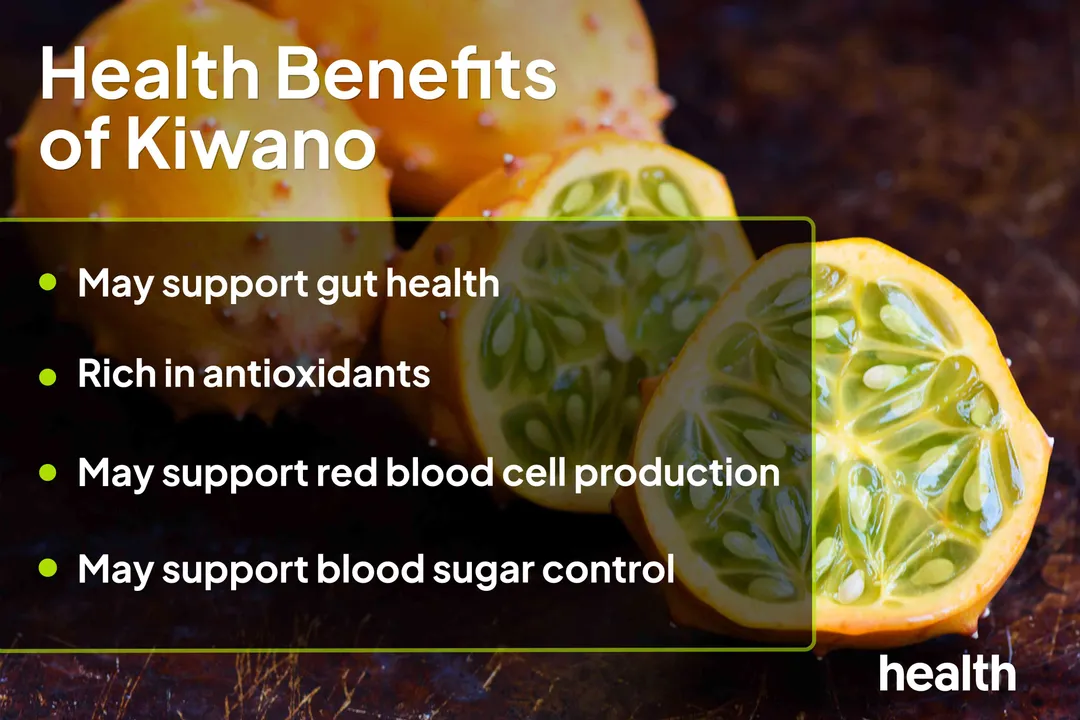
A healthy digestive tract contributes profoundly to overall well-being, and this is an area where Kiwano shows tangible benefits, primarily through its dietary fiber content. Fiber is crucial for regulating bowel movements and preventing common issues like constipation, bloating, and cramping.
Going deeper, emerging research suggests a prebiotic benefit derived partly from the peel. Polysaccharides found in the Kiwano peel can ferment into short-chain fatty acids (SCFAs) within the gut. SCFAs are beneficial because they nourish the beneficial bacteria in the colon, which in turn influences everything from metabolism and inflammation regulation to weight management. This activity goes beyond just "roughage"; it actively supports the microbial environment that influences systemic health. Furthermore, the gelatinous texture of the pulp itself has been noted for its potential to help guard against gastric ulcers.
# Blood Health Regulation
The fruit's profile supports the circulatory system in multiple ways, affecting both red blood cell production and cardiovascular function.
For red blood cell production, Kiwano is a noteworthy source of dietary iron. Iron is the core component of hemoglobin, the protein that transports oxygen from your lungs throughout your body. A deficiency in iron leads to anemia, causing fatigue and impaired function. Since the iron found in plant sources is non-heme iron, which is generally less efficiently absorbed by the body, Kiwano has a built-in advantage: it is also rich in Vitamin C. Vitamin C actively enhances the bioavailability and absorption rate of this non-heme iron, making the iron content in the fruit more effective for your system.
Regarding heart health, Kiwano provides key minerals that manage cardiac function. Magnesium, present in significant amounts, is essential for calming heart muscles and regulating blood pressure. Low magnesium has been clinically associated with heart disease and failure. Moreover, the seeds contain both linoleic acid (an omega-6) and oleic acid (a monounsaturated fat), both recognized as important for maintaining a healthy heart structure and strength. Some sources also point to the fruit’s folate content as being important in the daily diet for preventing cardiovascular diseases.

# Blood Sugar Balance
For individuals monitoring their glucose levels, Kiwano presents an appealing option because it has a low glycemic index, meaning it is unlikely to cause sharp spikes in blood sugar after consumption. This is partly due to the fact that its moderate carbohydrate content is balanced by its protein and fat content, slowing down overall digestion.
The presence of magnesium is again a key factor here. Research has linked magnesium intake to improved glucose metabolism and enhanced insulin sensitivity, especially in those at risk for or managing Type 2 diabetes. While a small study showed significant blood sugar reduction in diabetic rats, it is essential to remember that more clinical confirmation is needed to determine this effect definitively in humans. Still, its composition makes it a safer choice than many higher-sugar fruits when eaten consistently as part of a balanced diet.
# Hydration and Electrolytes
Given that Kiwano is mostly water, its contribution to daily hydration is straightforward. However, true hydration involves more than just fluid intake; it requires electrolytes to maintain proper fluid balance and support muscle and nerve signaling. Kiwano conveniently supplies necessary electrolytes, including potassium and magnesium, alongside its high water content, making it a more complete way to rehydrate after vigorous activity or on a very hot day.

# Bone and Vision Support
Maintaining bone density is a lifelong effort, and Kiwano contributes essential building blocks. Magnesium is critical for bone remodeling and structure, and a deficiency has been associated with osteopenia and fragile bones, particularly in postmenopausal women where lower intake can accelerate bone loss. The fruit also supplies Zinc, which plays a role in supporting overall bone strength.
For eyesight, the fruit is a source of Vitamin A (a carotenoid). Vitamin A is fundamental for maintaining the health of the retina and protecting against deterioration, such as age-related macular degeneration (AMD), which can lead to vision loss. Furthermore, Zinc intake has been specifically linked in some studies to a reduced risk of developing AMD.
# Mental Wellness Notes
While less studied than its physical benefits, there are indications that Kiwano may positively affect mental state. The fruit contains various organic compounds suggested to aid in the regulation of stress hormones, potentially helping to keep the mind calm in cases of anxiety or stress. Furthermore, the presence of Zinc and Manganese has been noted for its potential positive effect on mental wellness, though researchers stress that more investigation is required to solidify the link between micronutrient status and conditions like depression.
# Longevity and Appearance
The combination of vitamins and antioxidants supports the body from the inside out, which translates to external benefits, particularly for the skin. Vitamin C is essential for collagen production, the protein scaffolding that keeps skin firm and elastic. Simultaneously, Vitamins A and E, along with other antioxidants, neutralize the free radicals generated by environmental factors like sun exposure, helping to reduce visible signs of aging like wrinkles and age spots. This internal protection, coupled with its high water content ensuring cellular moisture, supports a more vibrant complexion.
An interesting point gathered from the research is the fruit’s impressive shelf life. While many exotic fruits spoil rapidly, uncut Kiwanos have been noted to remain viable at room temperature for up to six months if stored correctly, generally requiring temperatures between 10 and 15 degrees Celsius. This unusual stability means that acquiring this nutrient-dense fruit may lead to less spoilage in the home compared to other delicate produce, making it a surprisingly reliable addition to a long-term healthy eating plan, provided you have a cool storage spot available.
# Culinary Applications
Despite its intimidating exterior, consuming Kiwano is generally straightforward. The common method involves slicing the fruit in half lengthwise and scooping out the jelly-like pulp and seeds with a spoon, treating the hard rind as a natural bowl. The seeds are perfectly safe to eat and are often consumed along with the pulp. For those who prefer a different texture, the flesh can be added to smoothies, used as a topping for yogurt or granola, or incorporated into sauces and salsas for a unique, refreshing tang. Some cultures in its native regions eat the whole fruit, even roasting or boiling it with other vegetables.
# Antimicrobial Potential
Beyond direct human nutrition, scientific inquiry has focused on the bioactive compounds in Kiwano, particularly those in the non-edible parts, for their potential to fight pathogens. Research has demonstrated that extracts from the fruit—including pulp, peel, and seed—can exhibit notable antifungal activity against various molds and yeasts. This is attributed to compounds like tannins, which are thought to damage the cell membrane integrity of fungi. Alkaloids present in the fruit may also inhibit both bacterial and fungal growth, positioning them as potential phytoprotectants.
While antibacterial activity is less consistent across different studies, some water extracts have shown inhibitory effects against Staphylococcus aureus, and seed extracts have shown specific activity against Salmonella Gallinarium. Furthermore, isolated flavonoids and alkaloids from the pulp have demonstrated in vitro antiviral activity against several viruses in lab models, opening doors for further application in natural protection strategies.
# Final Considerations
Kiwano is more than just a conversation starter; it is a source of diverse vitamins, minerals, and bioactive phytochemicals that support cardiovascular function, aid digestion through fiber, enhance iron absorption, and provide significant antioxidant defense. While research is ongoing, especially regarding its anti-ulcer and mental wellness effects, the known components—magnesium, iron, Vitamin C, and various polyphenols—confirm its place as a nutrient-dense fruit worthy of introduction into a varied diet. Just remember that for optimal enjoyment, ripeness matters: look for a slight softness when gently squeezed, signaling it is ready to be cut open and savored.
Related Questions
#Citations
6 Benefits of Kiwano (Horned Melon) — And How to Eat It - Healthline
Kiwano: Benefits, Nutrition, and Risks - Health
8 Benefits of Kiwano (Horned Melon) and How to Eat It - MedicineNet
Health Benefits of Kiwano - WebMD
Exploring Kiwano: Nutritional Secrets and Health Boosts | Clinikally
10 Benefits Of Kiwano - ORGANICseeds.TOP
Horned Melon (Cucumis metuliferus E. Meyer Ex. Naudin) - MDPI
Netmeds