Health Benefits of Galia melon
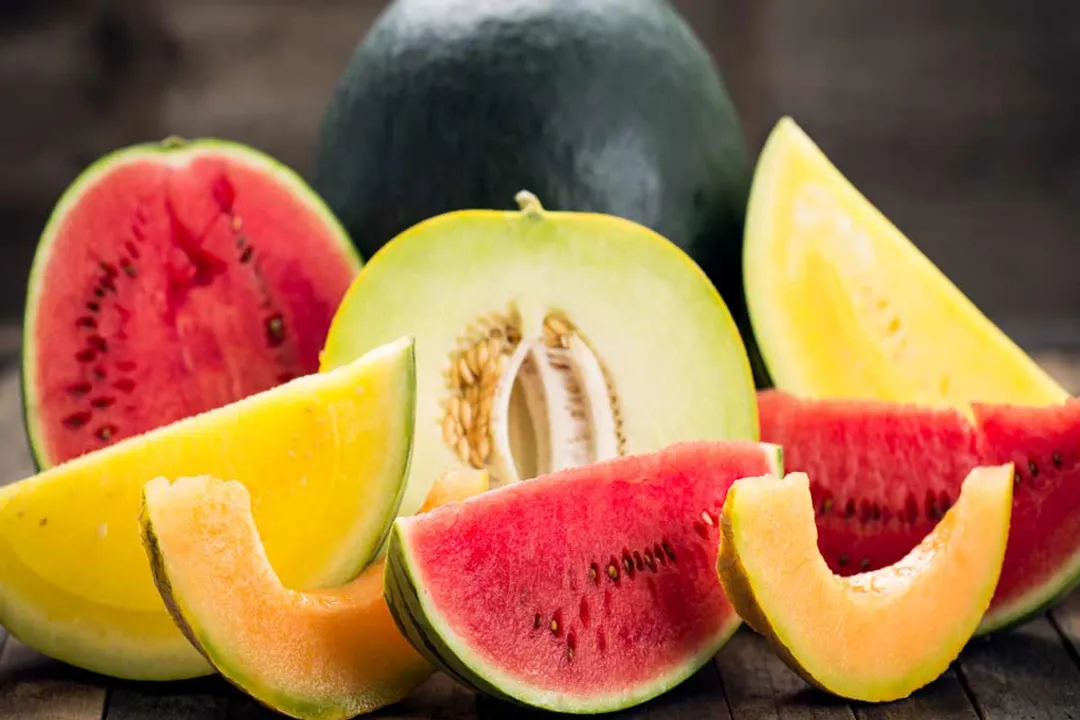
The Galia melon, a delightful and fragrant variety often recognized by its signature netted rind, offers far more than just a sweet taste on a warm day. This particular melon represents a successful cross, born from the combination of a muskmelon and a cantaloupe, resulting in a fruit prized for its distinct aroma, firm texture, and impressive nutritional density. [3] While many fruits are celebrated for singular benefits, the Galia melon brings together several essential vitamins and minerals that contribute positively to various aspects of bodily function, from bolstering the body's defenses to maintaining fluid balance. [4][10]
# Appearance Profile

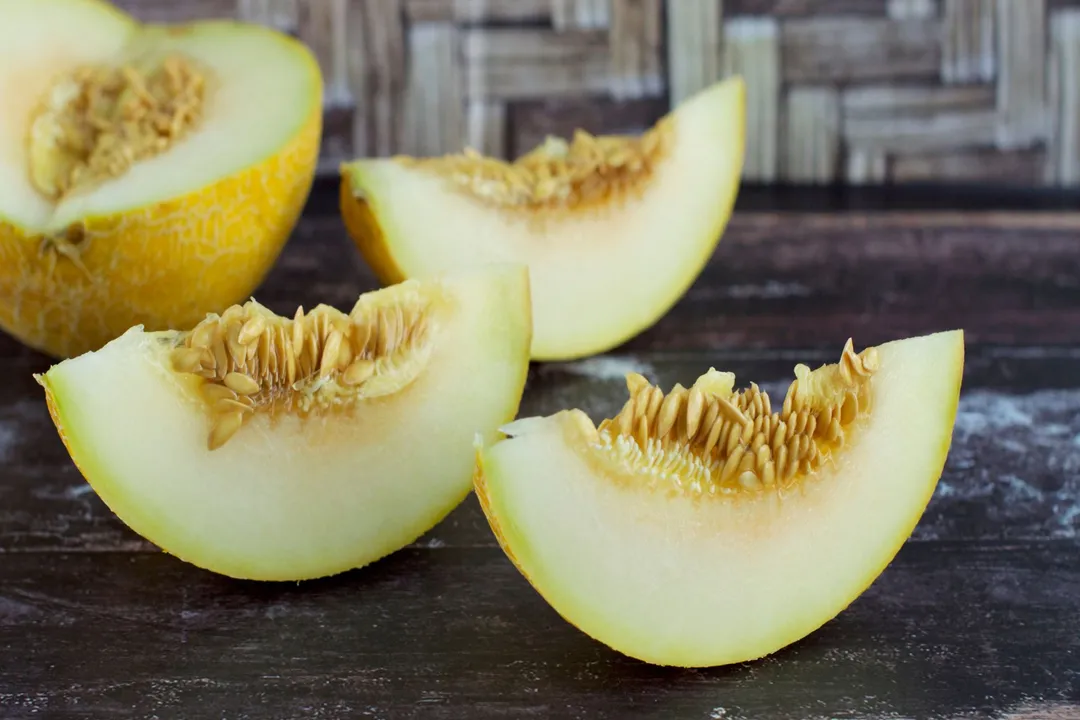
Visually distinguishing the Galia melon is relatively straightforward once you know what to look for. It typically presents as a round fruit, sometimes slightly oblong, encased in a rind characterized by a netted or webbed pattern. [3][5] Unlike some of its counterparts, the rind color tends towards a pale yellow or light tan when fully ripe. [3][5] Slicing into it reveals a firm, juicy flesh that holds a pale green hue. [3][5] This texture and color contrast with the deep orange flesh of a typical cantaloupe, making the Galia a unique sight in the produce section. [3]
# Nutritional Core
A foundational understanding of any food's health impact begins with its nutrient breakdown. Galia melon is relatively light on the scale, registering as a low-calorie option. [1][2][8][10] This low energy density, when paired with its high water content, makes it an excellent choice for volume eating in weight management strategies. [1][9] The real strength of the Galia, however, lies in its micronutrient profile, particularly its significant contributions of two critical vitamins and a key mineral. [2][5][10]
The melon is noted as an excellent source of Vitamin C, often rivaling citrus fruits in its concentration. [2][5] Furthermore, it supplies substantial amounts of Vitamin A, primarily in the form of beta-carotene, the precursor pigment that gives many colorful fruits and vegetables their hue. [2][5] Balancing these out is potassium, an essential electrolyte crucial for cellular communication and fluid balance. [1][2][10]
To help visualize this concentration, consider a comparison based on typical values reported for melons in general, emphasizing where Galia fits:
| Nutrient | Primary Role | Contribution Level (Relative) |
|---|---|---|
| Vitamin C | Immune Defense | Excellent [2][5] |
| Vitamin A (Beta-Carotene) | Vision Support | Excellent [2][5] |
| Potassium | Electrolyte Balance | Good [1][10] |
| Calories | Energy Density | Low [1][10] |
Understanding the synergy of these components is more valuable than listing them separately. For instance, choosing a Galia melon ensures you are consuming a water-rich base that aids immediate hydration, while simultaneously delivering the building blocks for long-term cellular maintenance through its vitamins. [1][9]
# Immunity Support
One of the most frequently cited benefits of consuming Galia melon centers on its high Vitamin C content. [1][4] Vitamin C, or ascorbic acid, is a water-soluble vitamin known for its role as an antioxidant in the body. [1] While the primary role often discussed is its support of the immune system, its function extends to being vital for the synthesis of collagen, a structural protein essential for skin, cartilage, and blood vessels. [10] When the body faces stressors or pathogens, adequate Vitamin C ensures that the immune response machinery has the necessary cofactors to operate efficiently. [4][10] Think of it as ensuring the construction crew has all the right tools before a big project starts; Vitamin C helps prepare the defense lines before a threat is fully mobilized. [4]
# Vision Care
The presence of Vitamin A and its precursor, beta-carotene, positions Galia melon as a supportive food for eye health. [2][10] Beta-carotene is converted by the body into retinol, which is necessary for the formation of rhodopsin, the light-absorbing molecule found in the rod cells of the retina. [10] Consuming foods rich in these compounds is a standard dietary recommendation for maintaining good vision, particularly in low-light conditions. [10] While many bright orange fruits provide this nutrient, the Galia melon offers it within a distinctively sweet, green-fleshed package. [5]
# Hydration Factor
Given that fruits are largely composed of water, the Galia melon excels in its role as a hydrating food source. [1][8] Melons, as a category, are celebrated for their high water content, which is fundamental for nearly every bodily process, including temperature regulation, nutrient transport, and joint lubrication. [9] In environments where water intake might naturally lag—such as during intense exercise or in hot weather—a sweet, naturally flavored food like Galia melon can make reaching hydration goals more palatable than plain water alone. [1]
Here is a practical tip for using the melon's hydration quality: If you find yourself needing a quick post-workout recovery snack but are wary of sugary processed drinks, consider chilling a bowl of cubed Galia melon alongside a pinch of sea salt. The water replenishes fluids, and the small amount of natural sugar provides quick glucose, while the salt helps begin the process of electrolyte replenishment. [1] This simple combination moves beyond simply eating the fruit toward targeted, functional recovery. [2]
# Heart Health
The regulation of blood pressure is heavily dependent on maintaining the correct balance of electrolytes, particularly sodium and potassium. [4] Galia melon provides potassium, which helps to counterbalance the effects of sodium and aids in relaxing the walls of blood vessels, potentially contributing to healthier blood pressure levels. [4][10] While no single food can manage a complex condition like hypertension, incorporating potassium-rich fruits like the Galia into a balanced diet supports cardiovascular well-being. [10] This mineral also plays a part in muscle contraction, which is vital for a strong, steady heartbeat. [1]
# Digestive Benefits
For a fruit, Galia melon contributes positively to digestive regularity through its fiber content. [10] Dietary fiber, though not absorbed by the body, is crucial for maintaining the structure and movement of waste through the gastrointestinal tract. [10] It helps promote regular bowel movements and feeds beneficial gut bacteria. [10] Because the Galia melon is low in calories, consuming a satisfying portion to increase fiber intake is an easy dietary modification to make without overloading on energy intake. [2]
# Skin Radiance
The health of the skin is often a visible marker of internal nutritional status, and the Galia melon provides two key elements for its maintenance. [4] As mentioned earlier, Vitamin C is required for collagen synthesis. [1] Healthy collagen provides the skin's structure, helping it remain firm and resilient. [1] Simultaneously, the Vitamin A content, derived from beta-carotene, assists in skin cell growth and repair, which helps maintain a smoother texture. [4][10] Eating these nutrients provides the raw materials for the skin to maintain its barrier function and appearance from the inside out. [5]
# Flavor Selection
The eating experience can significantly influence dietary adherence, and the Galia melon offers a flavor profile worth noting compared to its melon relatives. [3] While a cantaloupe might be intensely sweet and musky, the Galia is described as being sweet with a slightly more delicate or musky flavor. [3][5] This subtle difference can be an advantage when integrating it into various dishes.
A second point for consideration revolves around ripeness cues, which differ slightly by variety, affecting flavor and texture. Unlike a cantaloupe, which is often judged by how easily the stem slips, selecting a Galia requires observing its appearance and smell. [3] A ripe Galia should have a distinct, sweet, musky aroma emanating from the blossom end. [3] If the melon lacks this fragrance, it is likely underripe, which translates to a lack of sweetness and a firmer texture, even if it looks perfect externally. [3] This olfactory check is a crucial step experienced grocers often rely on, and it’s a habit home cooks should adopt to ensure peak flavor payoff from this specific hybrid. [3][5]
# Dietary Integration
While eating slices of chilled Galia melon is the simplest way to benefit from its nutritional load, its balanced sweetness allows for versatile culinary applications. [3][10] Due to its firm texture, it holds up well when cubed or balled, making it an excellent addition to fruit salads where softer melons might dissolve. [3]
Consider pairing its flavor profile intentionally. Because it carries a slight muskiness, it pairs surprisingly well not just with sweet flavors but also with salty or acidic elements, unlike purely sweet melons. [3] For a sophisticated, light lunch or appetizer, try combining Galia melon cubes with salty prosciutto or fresh mint and a light drizzle of high-quality balsamic vinegar. [3] The fat and salt from the prosciutto complement the melon's sweetness, while the acid from the vinegar brightens the overall profile, transforming a simple fruit snack into a more complex, satisfying dish that aids in nutrient absorption—fats, for example, can help the body utilize the fat-soluble Vitamin A. [2] This method effectively turns a single-nutrient snack into a more balanced mini-meal. [5]
Overall, the Galia melon proves itself to be a small powerhouse in the world of fresh produce, delivering high concentrations of hydration, immune support, and vision protection wrapped in a uniquely flavored package. [1][10]
Related Questions
#Citations
Health Benefits of Galia Melon - WebMD
8 Galia melon Nutrition facts and Health benefits
The Galia Melon: Everything You Need to Know About It | Blog | Agri
Superfood Galia Melon: Know THESE 5 benefits of this Hybrid Melon
Galia Melons Information and Facts - Specialty Produce
Types of melons and their health benefits - Dole
Why I eat a lot of Galia Melons - Bee Varga The Hula Hooper
The Big Health Benefits of Melon - Consumer Reports
Melons pack a nutritional punch - Mayo Clinic Health System
Galia melon – Health Benefits, Uses and Important Facts