Health Benefits of Mouse melon
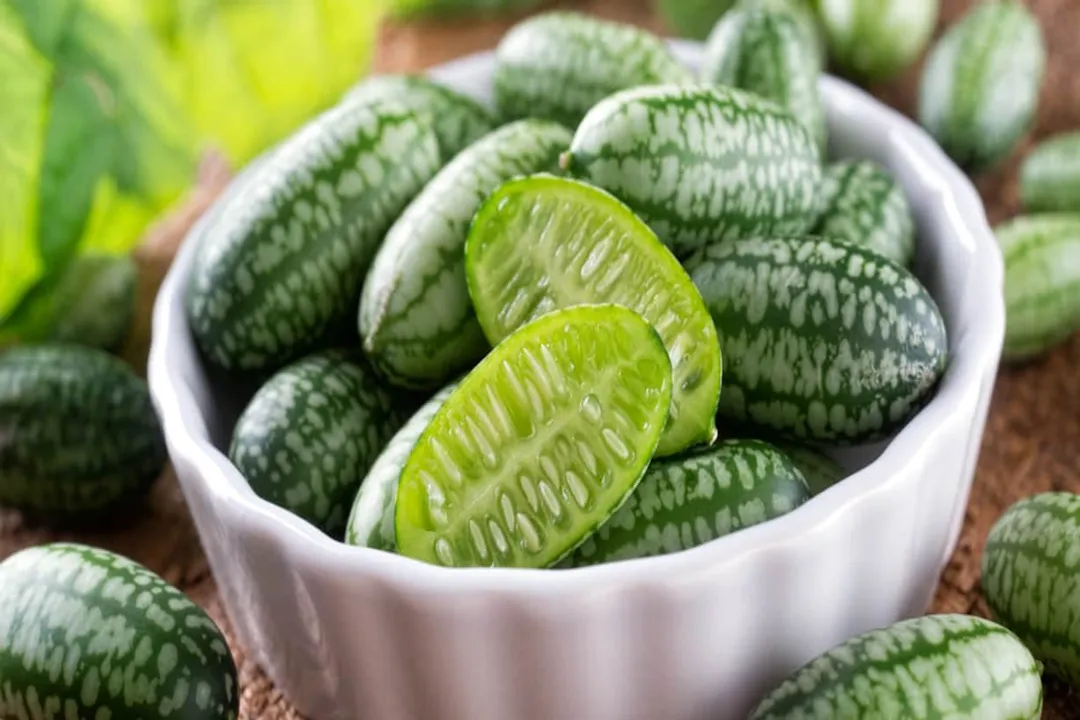
This little vegetable, known by many names including mouse melon, Mexican sour gherkin, or Sandita—which translates to "little watermelon" in Spanish—is rapidly gaining attention far beyond its native origins in Mexico and Central America. Scientifically identified as Melothria scabra, the cucamelon resembles a miniature, ripe watermelon, sporting distinct dark and light green rinds. Despite this appearance, it is not a hybrid of a cucumber and a watermelon, but rather a separate genus (Melothria) within the Cucurbitaceae family, sharing only a distant relationship with the common cucumber (Cucumis). Its true appeal lies in its size, comparable to a ripe grape, and its unique flavor: a satisfying cucumber crunch followed by a bright, lemony tartness.
# Miniature Identity
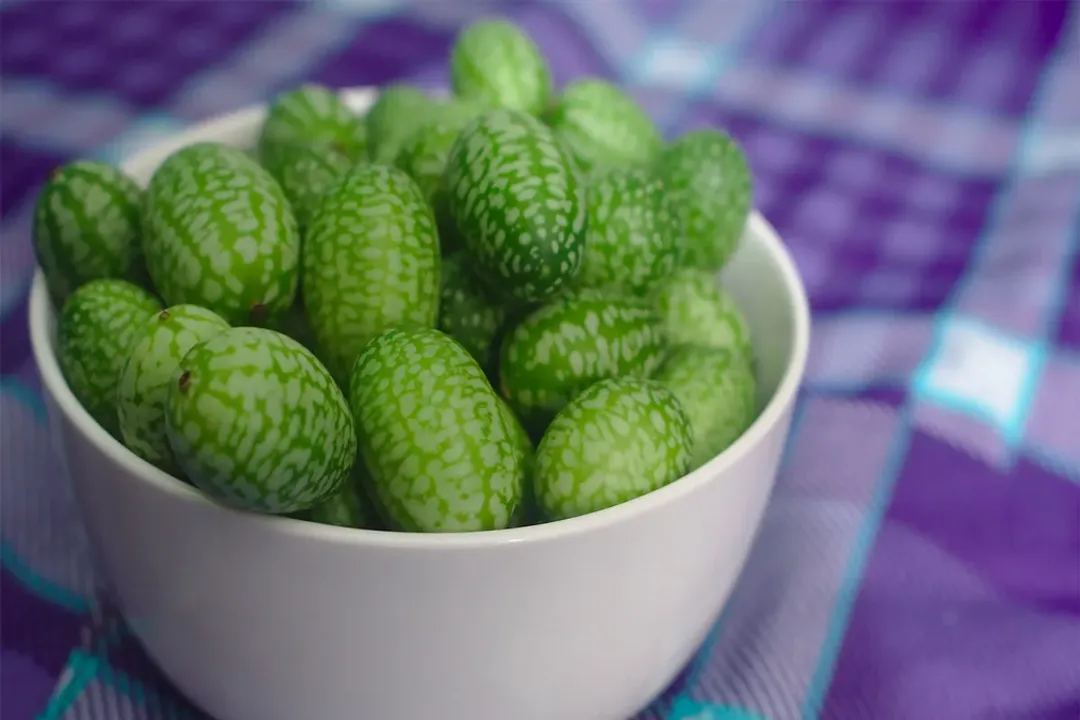
The visual charm of these one-inch fruits is undeniable, making them a talking point in any setting. They possess a thin but firm skin, meaning the entire fruit can be consumed without peeling or slicing, which is a convenience when snacking straight from the vine. While the flavor is distinctly refreshing, it's important to note that the intensity of the sour element can vary; allowing them to ripen longer on the vine increases the tartness, so those preferring a milder experience should harvest them when they are shortest, around one inch long. This small package manages to contain a substantial load of vitamins and minerals, prompting many to classify it as a superfood despite its diminutive stature.
# Antioxidant Power
The true nutritional strength of the mouse melon is rooted in its protective compounds. Cucamelons are replete with antioxidants, specifically flavonoids and phenolic compounds. These natural fighters work to shield the body’s cells from the oxidative stress inflicted by free radicals, a process implicated in the onset of chronic conditions like heart disease and certain cancers.
Within this antioxidant arsenal are two particularly recognized players: lycopene and beta-carotene. Lycopene, the pigment responsible for the color in fruits like tomatoes and watermelon, is recognized for its potential anti-inflammatory effects and its role in supporting brain health. Furthermore, research indicates a connection between lower levels of circulating lycopene and higher mortality rates associated with Alzheimer's disease, suggesting a crucial protective role against neurological decline. Consumption of lycopene may also be linked to a reduced risk for both cardiovascular disease and cancer.
Beta-carotene acts as another powerful antioxidant and serves a vital function by converting into Vitamin A within the body. Vitamin A is critical not just for maintaining healthy vision, but also for essential neurological function and general skin health. A meta-analysis has even suggested that higher levels of beta-carotene correlate significantly with a lower risk of all-cause mortality, underscoring its importance in long-term wellness.

# Body Support
Beyond specific protective pigments, the overall composition of the cucamelon supports several fundamental bodily systems, making it a sound dietary addition. Its high water content naturally contributes to daily hydration goals, which is essential for all proper bodily functions.
For those managing weight, these fruits are a favorable option because they deliver high volume with a very low calorie count, assisting in satiety so you feel fuller from fewer calories consumed. This feeling of fullness is partly attributable to the fiber content, particularly the viscous (soluble) fiber found in the fruit’s skin. When consumed, this soluble fiber forms a gel-like substance in the digestive tract, which supports regular bowel movements and helps ward off common digestive issues like constipation. Studies concerning viscous fiber suggest an overall beneficial effect in lowering blood pressure, which is another layer of support for cardiovascular health.
# System Defense
The mouse melon also contributes essential vitamins and minerals necessary for robust internal functioning. It is a good source of potassium, a nutrient vital for the proper operation of several organs, including the heart, brain, and kidneys. Increased potassium intake has been linked in research to beneficial effects on human health, including a reduction in the risk of death from cardiovascular disease. By helping to maintain healthy blood pressure and preventing the hardening of arteries—a key driver of heart conditions—cucamelons can contribute to a lower overall risk of stroke and heart disease.
Furthermore, these tiny fruits boost the body’s ability to fight off illness. They are rich in Vitamin C, which functions as an antioxidant to combat inflammation and strengthen immune function. Evidence suggests that adequate Vitamin C intake can lessen both the duration and the frequency of common respiratory infections, serving as a primary defense against external pathogens. Other notable vitamins packed into this small fruit include Vitamin E and Vitamin K.
It is interesting to consider the resilience bred into this plant and how that translates to our diets. While many garden favorites like cucumbers suffer from common local pressures, the mouse melon's native hardiness offers a unique advantage. For instance, they show significantly fewer pests and are resistant to diseases like powdery mildew, problems that frequently plague cucumber growers. This intrinsic hardiness, which allowed them to thrive in the drier conditions of Central America, means that when you consume them, you are incorporating a food source that is naturally robust and less likely to carry residues from aggressive chemical treatments used to ward off common crop ailments. When you commit to growing them, their tuberous root system makes them more drought-tolerant than cucumbers, which rely on a taproot that dies off seasonally. This ability to store water efficiently translates into a more stable nutritional profile, regardless of minor environmental fluctuations during the growing season.

# Flavor Profiles
The versatility of the cucamelon in the kitchen is wide, allowing one to easily integrate its unique profile into daily meals. They are most often enjoyed raw, capitalizing on their crunch and tang. They mix exceptionally well into fresh salads alongside ingredients like sweet peppers, cherry tomatoes, and herbs such as parsley or basil.
The natural tartness makes them an excellent substitute for more acidic ingredients; for example, they can form the base of a less acidic salsa compared to one relying heavily on tomatoes. Pickling is another popular preparation method, mirroring how one might treat a traditional cucumber, often using apple cider vinegar along with spices like mustard seeds and fresh dill. For a slightly different application, these Mexican sour cucumbers can be quickly sautéed with just salt, pepper, and olive oil.
When thinking about integrating this unique taste, consider its natural profile as a bridge between cool, watery cucumber and sharp citrus. A very simple, actionable approach is to infuse water: slice a handful of whole cucamelons and add them to a pitcher of cold water along with mint leaves. Let it sit for a couple of hours. The resulting water carries a subtle, refreshing cucumber-lime essence that makes for a more interesting alternative to plain water, directly supporting the hydration benefits mentioned earlier. This preparation avoids the heavy seasoning of chutney or pickling while still showcasing the fruit’s inherent character.
# Resilient Cultivation
While health benefits are paramount, the ease with which this food can be cultivated adds to its long-term value. Cucamelon plants are monoecious, meaning they produce both male and female flowers on the same vine, allowing for self-pollination. This trait ensures a more reliable harvest compared to some other fruiting vegetables that require cross-pollination from separate plants. Additionally, since Melothria scabra will not cross-pollinate with plants in the Cucumis genus, gardeners can plant their cucumbers right next to their mouse melons without fear of contaminating the seeds for the following year. This ability to maintain 'true seed' simplifies seed saving for dedicated home growers.
The plant’s structural difference—its tuberous root—is also a notable advantage. Unlike cucumbers, which develop a taproot system that dies at the end of the growing season, the cucamelon produces a tuber that can be carefully dug up after the first frost, stored in a cool, dark place, and replanted the next spring. Replanting a tuber results in a plant that is established faster and begins producing fruit much earlier than a plant started from seed in the current season, offering a head start on maximizing the harvest window. The requirement for a support structure, such as a trellis, is important as the vines can grow quite long, up to ten feet. Providing this vertical space helps keep the small fruits easily visible for frequent harvesting, which in turn encourages the vine to produce even more fruit throughout the summer.
Related Questions
#Citations
Cucamelon: Nutrition, Benefits and How to Grow ...
Cucamelon: Health Benefits, Uses And Easy Recipe ...
6 Reasons to Add Cucamelons to Your Garden
Not the Love Child of a Cucumber and a Watermelon