Health Benefits of Jambul
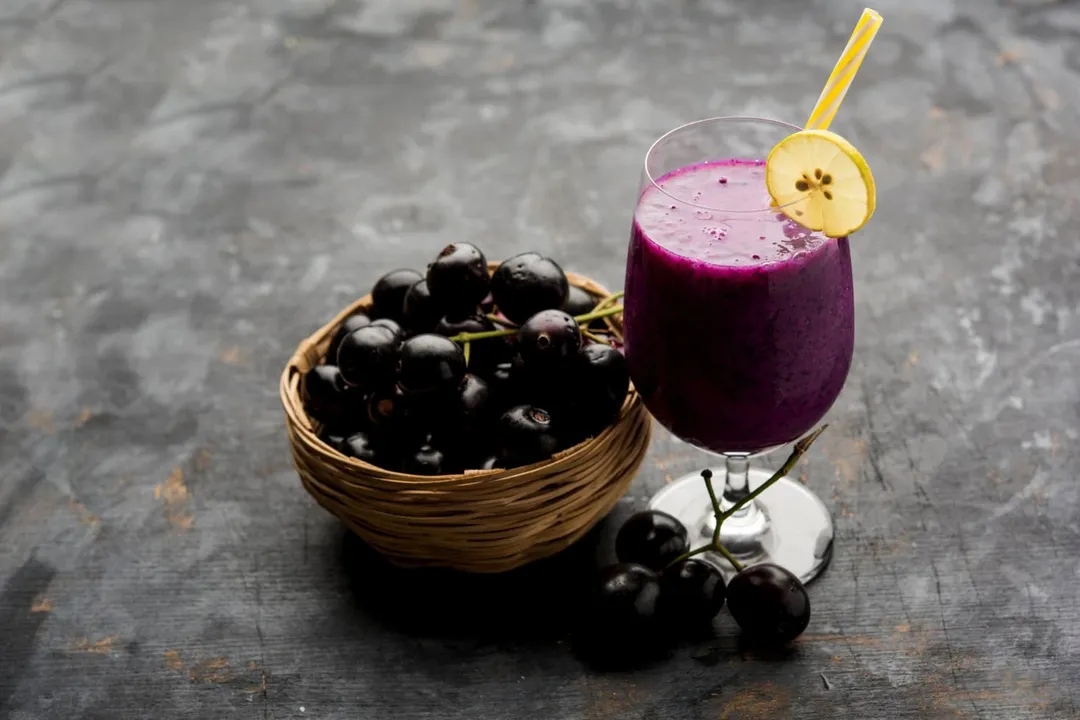
The deep purple hue of the Jambul fruit hints at the wealth of goodness contained within this seasonal gem, often called the black plum or Java plum in different regions. Scientifically cataloged as Syzygium cumini, this tropical evergreen plant is more than just a pleasant taste experience; it represents a significant element in traditional healing systems, particularly Ayurveda. The historical reverence for this fruit is so profound that some ancient texts refer to India as Jambudweep, or the "land of Jambu". Modern science is now catching up, validating many of its historical uses, especially concerning metabolic health indicators. To truly appreciate this fruit, we must look past its simple, sweet-tangy flavor and examine the complex array of nutrients and bioactive compounds that contribute to its powerful profile.
# Nutritional Foundation

The strength of Jambul lies in its dense nutritional composition, despite being notably low in calories. This makes it a rewarding addition to any eating plan without burdening the daily energy intake. Per 100 grams, it delivers a respectable amount of carbohydrates, along with small contributions of protein and fat. More important, however, is its vitamin and mineral load. Jamun is recognized as an excellent source of Vitamin C (ascorbic acid) and Iron. It also supplies essential minerals like Potassium, Magnesium, and Calcium.
The fruit’s deep color signals a high concentration of polyphenols and anthocyanins, which are powerful antioxidants. Beyond these general categories, various parts of the plant—the fruit, seeds, leaves, and bark—contain a complex chemistry that underpins its medicinal actions. Chemical profiling reveals the presence of flavonoids, tannins, alkaloids (like jambosine), ellagic acid, and glycosides. The seed, for instance, is noted to be a concentrated source of protein and calcium compared to the rest of the fruit. Understanding this phytochemical profile is key, as these secondary metabolites—non-nutritive compounds—are what confer the specific pharmacological benefits recognized in traditional medicine.
# Metabolic Control

Perhaps the most celebrated benefit associated with Jambul, spanning both historical practice and current clinical investigation, is its impact on blood sugar management. This is particularly relevant today, given the global rise of metabolic syndrome (MS), characterized by interrelated risk factors like dyslipidemia, hypertension, obesity, and insulin resistance.
# Blood Sugar Stability
The presence of specific compounds in the fruit and seeds, namely jamboline and jambosine, is linked to its potent anti-diabetic properties. These compounds work by potentially slowing the conversion of starch into simple sugar, thereby moderating the rate at which glucose enters the bloodstream. Furthermore, Jambul is noted for having a relatively low glycemic index. Experimental studies in diabetic rat models have consistently shown that extracts from the fruit and seeds can significantly lower fasting blood glucose (FBG) levels. The mechanisms extend to improving the function of pancreatic beta cells and reducing indicators of insulin resistance in these models. In human trials involving patients with Type 2 Diabetes Mellitus (T2DM), supplementation with powdered Jamun seeds, alongside conventional medication, demonstrated a marked improvement in glycemic control and HbA1c levels.
# Heart and Lipid Balance
Managing the other biomarkers of metabolic syndrome is another strong area for Jambul. Heart health benefits are multifaceted, relating to both blood pressure and cholesterol levels. The fruit is a good source of potassium, a mineral vital for counteracting the effects of sodium and helping to maintain healthy blood pressure levels. Studies on stressed rats demonstrated that Jambul pulp extract helped mitigate the rise in blood pressure.
Concurrently, Jambul shows promise in balancing the blood lipid profile—a core component of hyperlipidemia. Research indicates that extracts, particularly from the seeds, can exert anti-hyperlipidemic effects. This means they help lower undesirable metrics like total cholesterol (TC), LDL ("bad" cholesterol), and triglycerides (TAGs), while potentially increasing beneficial HDL ("good" cholesterol). In a pilot study involving prediabetic individuals, supplementing with Jamun seed powder resulted in significant overall improvement in their lipid profiles, with TC showing notable reduction.
The collective action against hyperglycemia, hypertension, and hyperlipidemia positions Jambul as a fruit with significant protective potential against cardiovascular disease (CVD) risk factors.

# Digestive Wellness and Detoxification

The dietary fiber content in Jambul plays a clear role in supporting a healthy digestive tract. Fiber is fundamental for ensuring smooth digestion, preventing common issues like constipation, and promoting regular bowel movements. In addition to fiber, the fruit possesses natural astringent properties that are historically employed to address acute digestive issues such as diarrhea and dysentery.
The fruit's benefits in this area extend to the overall internal environment. Jambul is recognized for its blood-purifying quality. This is largely attributed to its iron content, which assists in increasing hemoglobin count, thus supporting better oxygen supply throughout the body. By acting as a natural detoxifier, it aids in maintaining the purity of the blood, which is essential for optimal cellular function.
# Beyond Metabolism: Inflammation and Appearance
The high levels of antioxidants—flavonoids and polyphenols—do more than just fight free radicals related to metabolic stress; they contribute to system-wide defense against inflammation. This anti-inflammatory characteristic suggests benefits for conditions involving swelling, such as some forms of arthritis. The leaves, in particular, have demonstrated both anti-inflammatory and analgesic (pain-relieving) properties in animal models.
This internal action reflects outward, influencing skin health. The antioxidants help guard the skin against environmental insults, like UV radiation and pollutants, which cause oxidative damage linked to premature aging, wrinkles, and blemishes. Vitamin C supports this by promoting collagen production. Consuming Jambul or applying pastes made from its components has been associated with reducing acne and achieving a more radiant complexion.
The combination of iron and Vitamin C also makes Jambul helpful in combating anemia and related fatigue, as better oxygen carriage supports higher energy levels. Furthermore, its hepatoprotective nature suggests it can help safeguard the liver from damage and support its vital detoxification processes.
# Part Usage and Traditional Formulations
One compelling aspect of Jambul is that nearly every part of the tree finds a medicinal application, showcasing its deep integration into traditional materia medica.
| Plant Part | Noteworthy Traditional Use | Key Reported Properties |
|---|---|---|
| Fruit Pulp | Eaten fresh, made into preserves or wine | Diuretic, relieves bad breath, treats poor appetite |
| Seeds | Dried, powdered, and consumed with water | Primarily anti-diabetic, also used for hypercholesterolemia and diarrhea |
| Leaves | Used for gargles or topical pastes | Antimicrobial, anti-diabetic, anti-inflammatory |
| Bark | Used in decoctions or as ash | Astringent, anthelmintic, treats dysentery and sore throat |
In the realm of oral care, the astringent and antibacterial nature of the fruit and leaves is often cited. Dried and powdered leaves are historically used as a tooth powder to strengthen gums and manage issues like pyorrhea (gum inflammation).
It is interesting to note how these traditional classifications align with modern findings. Ayurveda groups Jambul under Mootrasangrahaneeya drugs (drugs that cause urine retention) and associates its astringent, light, and cold potency with pacifying Kapha and Pitta doshas. This dosha balancing, particularly the reduction of Pitta (often associated with heat, inflammation, and excess acidity), logically supports the observed anti-inflammatory and digestive-calming actions. The fact that it is considered to increase Vata dosha suggests why excessive consumption might sometimes lead to issues like bloating or constipation for sensitive individuals.
A point of divergence arises in the advice concerning timing. While traditional preparation for diabetes management often suggests consuming the seed powder with warm water on an empty stomach, other sources caution that consuming Jambul fruit on an empty stomach might aggravate vata leading to acidity, bloating, or stomach pain. This highlights a crucial nuance: while the seed powder preparation is a specific remedy, the fruit itself might behave differently depending on an individual’s inherent constitution.
If you are looking to integrate this powerful fruit into your daily intake, consider this practical approach: instead of strictly adhering to the empty-stomach protocol for the whole fruit, enjoy it as a component of your mid-morning snack or as a digestive aid immediately following lunch, when the body is actively processing food. If you must consume the seed powder for its glycemic effects, a small glass of plain water beforehand might buffer the potential for acidity, bridging the gap between traditional use and caution against gastric upset.
# Considerations for Daily Intake
While Jambul is rich in benefits, awareness of potential side effects is necessary for responsible consumption. Because of its potent ability to lower blood sugar, excessive intake, or consumption by those already on anti-diabetic medication or with naturally low blood sugar, could lead to hypoglycemia—symptoms like dizziness or confusion. Similarly, those with pre-existing low blood pressure should exercise restraint, as the fruit may cause drops below normal levels.
There are also cautions regarding mineral balance and kidney health. As Jambul is high in iron, over-consumption could theoretically lead to iron overload, a condition that can cause joint pain and fatigue over time. Additionally, the presence of oxalates means that individuals prone to forming kidney stones should moderate their intake.
As a general guideline for the fruit itself, consuming between 100 to 150 grams (roughly 8 to 10 medium fruits) daily during its season is suggested for adults. For those with chronic conditions, it is always advisable to monitor personal responses and discuss its inclusion with a healthcare provider, especially since it supports liver function and may be part of a successful strategy for managing chronic metabolic disorders. To enhance flavor and potentially counter any mild sourness that might cause sensitivity, a dash of black salt or incorporating it into a smoothie or juice base are simple, delicious adjustments. The fruit is truly a seasonal gift, and approaching its consumption with an understanding of both its chemical make-up and personal physiological response ensures maximum advantage.
#Videos
Jamun seeds for diabetes | Fruits for glowing skin - YouTube
Related Questions
#Citations
Astounding Health Benefits of Jamun (Syzygium cumini) toward ...
Purple Powerhouse: 10 Surprising Benefits of Jamun Fruit - 1mg
15 Health Benefits of Eating Jamun and its Nutritional Value
Jamun seeds for diabetes | Fruits for glowing skin - YouTube
8 Powerful Medicinal Uses of Jamun (Indian Blackberry) - AVCRI
Jamun Benefits: A Miracle Fruit for Diabetes & Digestion
Jamun/Jambhul: Health Benefits for Several Problems - Vicco labs
5 nutritional benefits of Jamun and how much to consume daily
Benefits & Side Effects of Jamun (Indian Blackberry)