Health Benefits of Fat Hen
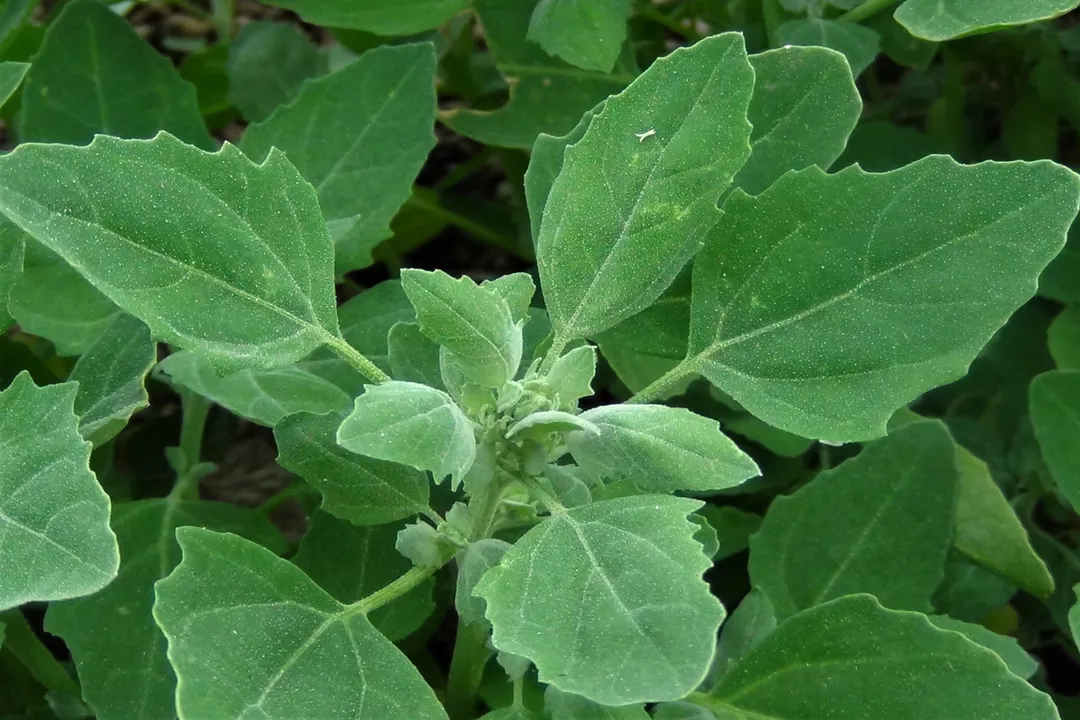
The common weed known as Fat Hen, scientifically identified as Chenopodium album, possesses a rich history of human consumption and offers an impressive array of nutritional advantages often overlooked in modern gardens and fields. While often treated as an agricultural nuisance, this annual plant, which can grow quite tall, is actually a powerhouse of easily accessible nutrients, making it a genuine wild superfood available across various temperate regions. Its leaves and shoots are frequently compared to spinach in texture and application, though its specific mineral and vitamin profile sets it apart from cultivated greens.
# Botanical Identity
Fat Hen goes by many names, reflecting its widespread distribution and varied historical uses. Lamb’s Quarters and Pigweed are among the other common monikers used globally to describe this familiar visitor to disturbed soils. A key identifier for this plant, especially when young, is the fine, white, powdery or mealy coating on the leaves and stems, which gives it a somewhat dusty appearance. This coating is often more pronounced on new growth. The leaves themselves typically exhibit a goosefoot shape, with angular lobes, lending to another descriptive common name, Goosefoot.
Distinguishing Fat Hen requires a close look, particularly for new foragers. While it is generally considered safe when identified correctly, understanding its key features is paramount. The distinctive mealy texture is a strong indicator, but growth habits also matter. It thrives in nitrogen-rich soils, often appearing wherever the soil has been recently turned or disturbed, such as cultivated garden beds or neglected patches.
# Nutritional Density
The primary value proposition of Fat Hen lies in its remarkable nutrient density, making it a highly valuable addition to the diet, particularly in contexts where nutrient access might be limited. It is a significant source of several essential vitamins and minerals that support various bodily functions.
For instance, the greens are notably rich in Vitamin A and Vitamin C, both crucial for immune function and vision. When examining its mineral composition, Fat Hen shows impressive levels of calcium, iron, and magnesium compared to many standard vegetables. A deeper dive into these minerals reveals an interesting point of consideration for dietary planning. While the iron content is high—a considerable benefit for plant-based diets—like many other greens, it also contains oxalic acid. Oxalic acid can bind to minerals like calcium and iron, reducing their bioavailability when consumed raw in large quantities. Therefore, understanding the preparation method becomes an actionable step: gently cooking the greens, perhaps by blanching or quickly sautéing, can reduce the oxalic acid levels, allowing the body to absorb more of that valuable iron and calcium. This trade-off between raw potency and cooked absorption is something every forager and health-conscious cook should consider when planning meals around wild edibles.
Its nutritional profile is not just about being "high" in things; it's about the balance of micronutrients available from a plant that requires no tending. The seeds, too, are edible and offer a good source of protein, although preparing the leaves as a vegetable is the more common culinary application.
# Culinary Applications
The versatility of Fat Hen in the kitchen is one of its most appealing attributes, allowing it to be incorporated into meals throughout the growing season. The decision on how to prepare it often depends on the age of the plant.
# Young Shoots and Leaves
When the plant is young, the first few inches of tender shoots and small leaves are fantastic when eaten raw. They possess a mild, pleasant flavor that blends well into salads without overpowering other ingredients. You can treat them much like you would use baby spinach or delicate lettuce varieties.
For a simple introduction, one might try a "Wild Green Salad Starter": take a handful of the youngest leaves, rinse thoroughly (especially to remove the mealy dust), pat dry, and toss with a light vinaigrette made of olive oil, lemon juice, and a pinch of salt. This preserves the fresh texture and flavor profile.
# Mature Greens
As the plant matures, the leaves become tougher, and the flavor can become slightly more pronounced or bitter, similar to mature spinach. This is when cooking becomes the preferred preparation method. Boiling, steaming, or sautéing are excellent ways to manage texture and improve mineral absorption, as discussed earlier.
It integrates seamlessly into many common dishes:
- Soups and Stews: Added toward the end of cooking to wilt down.
- Potherbs: Simply boiled until tender and dressed with butter or vinegar.
- Fillings: Chopped and mixed into savory pies or used in place of spinach in dishes like spanakopita or quiches.
# Seeds
While less common than using the greens, the seeds of Chenopodium album are also edible. The seeds must be separated from the chaff and processed, often by grinding into flour or using them whole in baking, similar to amaranth or quinoa, which are actually relatives of Fat Hen. This connection to the pseudocereal family underscores its potential as a source of starch and complex carbohydrates when the seed heads are mature and dried.
# Traditional Applications
Beyond its use as a staple food, Fat Hen has a documented history in traditional herbalism, where it was valued for specific properties. While modern evidence is still developing in these areas, historical usage points toward specific applications that suggest internal benefits.
Historically, infusions or decoctions made from the plant were sometimes recommended for internal ailments. Some traditions suggest it was used as a diuretic, helping to increase urine flow. Furthermore, it has been noted in traditional contexts for its potential anti-inflammatory properties, and as a remedy for minor digestive upsets. It is important to note that these traditional uses are distinct from modern medical recommendations, and anyone considering using it for medicinal purposes should exercise caution and seek professional advice.
# Foraging and Safety
Successfully integrating Fat Hen into one's diet relies heavily on responsible foraging practices. Since this plant is often associated with disturbed ground and high-nitrogen areas, the location of harvest is as critical as correct identification.
# Location Selection
The edible portion must be clean and uncontaminated. This means rigorously avoiding areas near busy roadways where exhaust particulates and heavy metals can accumulate on the leaves. Similarly, areas that might have been treated with herbicides, pesticides, or fertilizers should be bypassed entirely. A patch thriving near an old homestead or in a naturally fertile, distant field is preferable to one found by the edge of a frequently used path.
# Identification Check
Always confirm identity using multiple guides or experienced mentors, focusing on the mealy coating and the distinctive leaf shape. While Fat Hen is generally easy to recognize once you know it, beginners should be cautious. An initial, small test batch is always wise before consuming a large quantity. An interesting point regarding fresh harvest: if the leaves feel strongly abrasive or excessively dusty even after rinsing, it can sometimes indicate a very mature plant where the texture might be too coarse for raw consumption, or alternatively, it could suggest a need for a more thorough washing process.
To ensure you are gathering the best quality for eating, consider a simple harvesting protocol:
- Target Growth: Select only the top few inches of the plant where growth is tender.
- Visual Inspection: Ensure the mealy coating is present but not caked with dirt.
- Water Test: Rinse the leaves in several changes of clean water. The water should eventually run clear, carrying away most of the powdery residue.
- Preparation Match: If the leaves are small and very tender, plan for a salad. If they are larger and slightly tougher, plan to cook them immediately.
By respecting the plant's need for clean growing conditions and understanding its nutritional profile—particularly the interplay between minerals and oxalic acid—Fat Hen transforms from a common weed into a genuinely beneficial, free source of nutrition right outside your door. Its resilience and nutritional value speak volumes about nature’s ability to provide sustenance in unexpected places.
Related Questions
#Citations
Fat hen | World Food and Wine
Fat Hen - Acorn Health Blog
Chenopodium album Fat Hen, Lambsquarters PFAF Plant Database
Magenta Spreen & Fat Hen - Wild Botanica
Fat Hen in Australia: How to forage and use it in your recipes
Plant Profile: Fat Hen (Chenopodium album)
FAT HEN - Chenopodium album - Medicinal herbs
Understanding Fat Hen Benefits and Nutritional Value | TikTok
Fat hen – Robin Harford from Eatweeds