What is another name for potatoes?
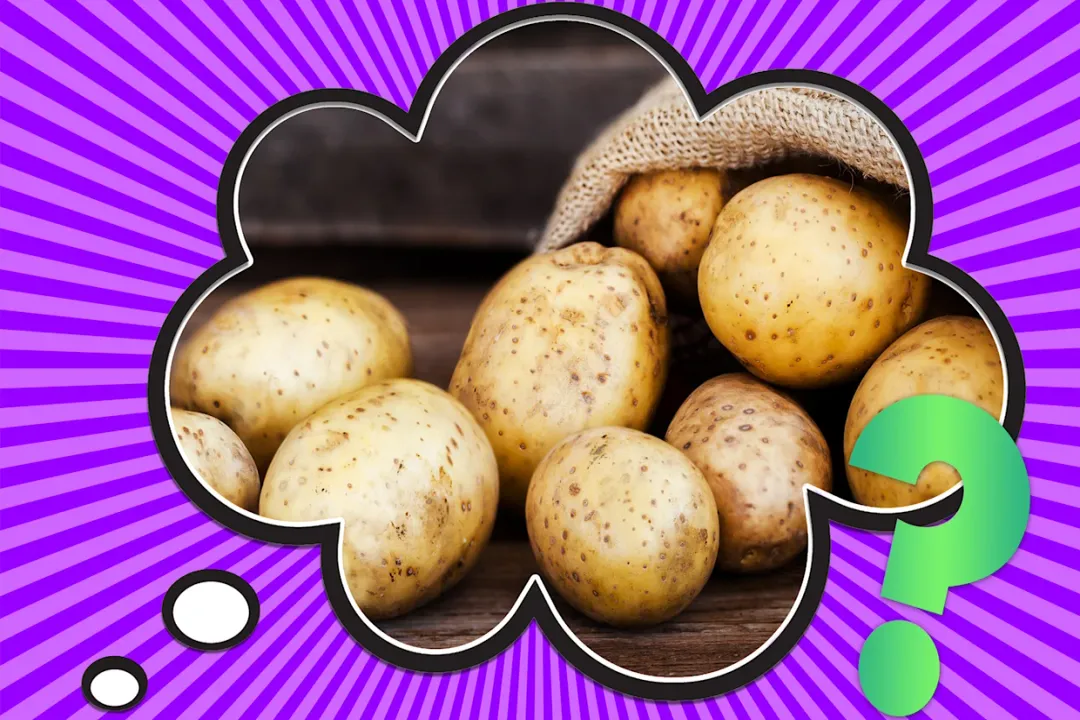
The humble potato, a staple food across countless cuisines, seems so universally known by its single, simple name, yet it carries a surprising variety of aliases depending on who is speaking, where they are, and even what context the conversation is in. It’s more than just a single word; it's a collection of monikers that reflect regional dialects, historical shifts, and simple shortening for convenience. [1][2][3] Discovering these alternative names reveals a bit about linguistic evolution surrounding one of the world's most important crops.
# Common Synonyms
When looking for a quick substitute for "potato" in everyday speech or informal writing, several options spring to mind immediately. [1][3] The most frequent substitutes tend to be abbreviations or phonetic shortenings. The term spud stands out as perhaps the most well-known alternative, offering a punchy, informal way to refer to the vegetable. [3][7] Equally common, especially in certain parts of North America, is tater, which is a straightforward phonetic reduction of the original word. [2][5] These two—spud and tater—function almost as casual equivalents, frequently appearing when people discuss making mashed potatoes or frying up some fries. [1][7]
The thesaurus entries confirm this frequent interchangeability, listing these terms alongside "potato" when seeking similar words. [1][2][3][7] While these are the standbys, other options exist, sometimes bordering on the slightly archaic or overly technical.
# Etymological Roots
Delving into why the potato acquired the name spud offers a fascinating side note to its culinary identity. [8] While "potato" itself traces back to the Spanish patata, which was adapted from the Taíno word batata (which actually referred to the sweet potato), the derivation of "spud" is less direct. [9] Some theories suggest that "spud" originally meant a short knife or a spade, tools used for digging up the tubers from the earth. [8][9] This connection to digging implements suggests a very practical origin for the nickname—what you dig up with your spade is a spud. [9] Others propose it referred specifically to a short piece or a stub, which might link back to the appearance of the small tubers or the short knife used for their harvesting. [8] Regardless of the precise historical path, the term "spud" has become deeply embedded in the lexicon as a definitive alternative name. [8][9]
# Botanical Terms
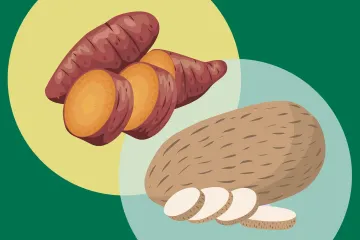
Moving away from casual slang, the language becomes more scientific when describing the item based on its biological classification. Botanically, the potato is a tuber—specifically, a swollen underground stem structure that the plant uses to store nutrients. [4] While you wouldn't typically ask a server for a side order of tubers, this term is accurate and appears in more formal or agricultural discussions. [4]
Historically, other names surfaced as Europeans encountered the crop. One evocative, though now rare, designation is earth apple. [4] This name likely arose from a direct translation or descriptive observation, comparing the subterranean round shape to a fruit or apple grown in the soil. [4] This historical nomenclature highlights the initial confusion or descriptive approach people took when encountering a new, starchy vegetable from the Americas. [4]
# Regional Language Use
Language around food is often highly localized, and potatoes are no exception. [6] Certain regions maintain unique terminology that may baffle outsiders. For instance, in places like Ireland, which has a deep and complex history with the potato, distinct local phrases or usages might persist. [6] While many sources point to the commonality of 'spud' or 'tater' across Anglophone countries, understanding the specific context of a conversation, perhaps in a place where the tuber is absolutely central to the diet, can reveal surprisingly persistent local jargon. [6] It’s an interesting reminder that while we search for a universal synonym, local dialect often reigns supreme. [6]
The prevalence of a specific synonym often correlates with the frequency of consumption and the generational shift in language. Younger generations might gravitate towards the shortest, most easily typed version, while older speakers might stick to the full word or the term associated with their childhood dialect. [8]
# Contextual Nuance in Naming
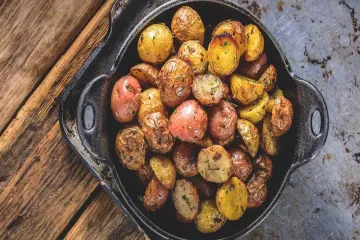
The choice between using "potato," "spud," or "tater" isn't just about substitution; it subtly alters the flavor of the sentence. Consider a professional culinary text discussing starch retention in tubers during blanching; here, the technical term fits the precise scientific discussion. [4] Contrast that with a casual note: "Grab five taters for the oven tonight". [2][5] The use of 'tater' immediately signals informality, making the instruction sound familiar and relaxed. [5]
If you were reading a historical farming journal, you might encounter references to the earth apple, immediately setting a scene rooted in the 17th or 18th century. [4] Conversely, if you overheard a group of friends planning a barbecue, the term spud might appear, carrying that slightly rugged, digging-tool association we discussed earlier. [8] This variation shows that synonyms are rarely perfect one-to-one replacements; they carry slight connotations regarding formality, history, or context. [1][3]
A helpful way to visualize these differences, particularly for someone learning English or writing for a broad audience, is to see where each term feels most comfortable in a usage spectrum. While many sources confirm the interchangeability, the feel is different:
| Term | Formality Level | Primary Connotation | Basis |
|---|---|---|---|
| Potato | Neutral/Formal | Standard, global recognition | Original accepted term |
| Spud | Informal/Casual | Quick, rugged, connected to digging | Etymology related to tools/digging [8][9] |
| Tater | Informal/Slang | Abbreviated, quick conversation | Phonetic shortening [2][5] |
| Tuber | Technical/Scientific | Botanical classification | Scientific structure [4] |
| Earth Apple | Archaic/Poetic | Historical observation | Descriptive translation [4] |
One analytical point worth noting when using these terms in any written work is the potential for regional confusion. If a piece is intended for an international audience, relying too heavily on terms like tater—which might be less common outside North America—could cause a slight disconnect, whereas spud has achieved a wider, if still informal, global recognition. [6] It’s a subtle balancing act between sounding natural to a local ear and maintaining clarity for a global readership. [6] If you are writing instructions for a recipe originating in the UK or Ireland, for instance, pausing to consider local preference versus the more generalized term becomes relevant, even if the source material points to common synonyms. [6]
Ultimately, while the botanical reality remains the starchy Solanum tuberosum, the linguistic reality is far richer. Whether you refer to them as potatoes, spuds, or taters, these alternative names provide small windows into how we connect with our food, reflecting history, geography, and the simple desire to shorten a word when we're hungry. [1][3][7]
Related Questions
#Citations
What is another word for potato? - WordHippo
13 Synonyms and Antonyms for Potato | YourDictionary.com
POTATO Synonyms & Antonyms - 7 words | Thesaurus.com
What is the alternate name for potatoes and why is it different from ...
Any other words for potatoes? : r/AskIreland - Reddit
POTATO Synonyms: 285 Similar Words & Phrases - Power Thesaurus
Why Are Potatoes Called “Spuds”? - Mental Floss