Health Benefits of Broad-Leaf Arrowhead

The Broadleaf Arrowhead, scientifically known as Sagittaria latifolia, holds a significant place in the ecological and historical landscape of North America, extending its value far beyond its striking, arrow-shaped foliage. [3] Often referred to by indigenous names like Wapato or by the descriptive moniker Indian Potato, this aquatic perennial offers tangible benefits rooted in its use as both a survival food and a component of traditional healing practices. [1][4] Understanding this plant requires looking past its presence in wetlands to appreciate the nutritional density stored within its roots and the documented applications attributed to it over centuries. [2][7]
# Plant Identity
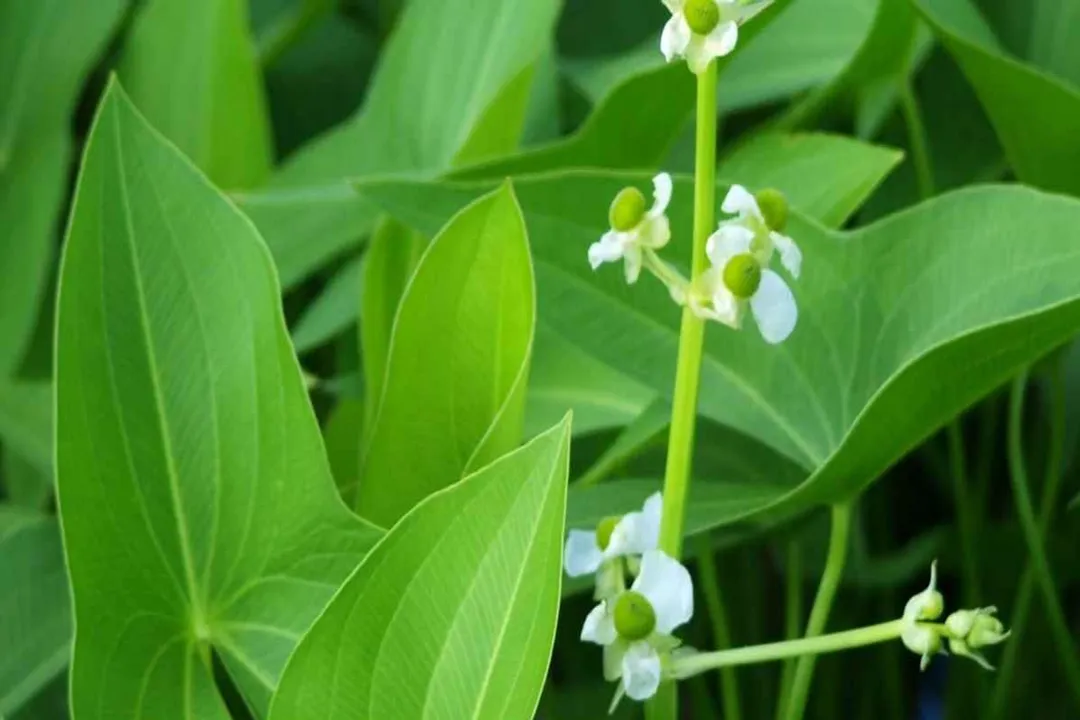
The physical characteristics of Broadleaf Arrowhead are key to identification. It thrives in marshy areas, mudflats, and the shallow edges of ponds and streams. [3][5] The plant is instantly recognizable by its leaves, which typically possess a distinct arrowhead or heart shape, rising above the water on long stalks. [3] While the plant itself is widely distributed across the eastern United States, its preference for wet, nutrient-rich soils dictates where foragers or cultivators might encounter it. [3] It is important to distinguish S. latifolia from similar species; for instance, Sagittaria cuneata or Arrowleaf Arrowhead, while related and sometimes grouped in discussion, has different specific properties and geographic niches. [6] The roots produce tubers or corms underground, which serve as the primary storage organs, accumulating starches and other compounds that contribute to its noted health aspects. [1][4]
# Nutritional Base
The health advantages of consuming Broadleaf Arrowhead begin with its fundamental nutritional makeup, primarily concentrated in the starchy corms produced during the growing season. [1][4] These corms are essentially underground energy reserves for the plant, making them calorie-dense for consumption. [2] When comparing the caloric potential of wild tubers like Wapato to common cultivated staples, it becomes clear why this plant was so vital historically. It provides concentrated energy when fresh greens might be unavailable, functioning as a dependable carbohydrate source during lean times or transitional seasons. [1]
While comprehensive modern nutritional panels for S. latifolia specifically can be hard to source across all provided documentation, the general consensus points toward a starchy root that also carries essential micronutrients. [4] The leaves and seeds are also listed as edible, suggesting a broader spectrum of potential vitamins and minerals available depending on which part of the plant is harvested and consumed. [2][4] Recognizing that traditional reliance was on the whole plant, we can infer a more complete dietary contribution than just the starch from the corm alone.
# Traditional Uses
Historically, the plant has been highly regarded not just for sustenance but for its medicinal properties within various Indigenous cultures. [4] Documentation concerning the genus Sagittaria frequently points towards applications aimed at addressing internal imbalances and promoting recovery. [6] For example, specific traditional applications associated with related Arrowhead species, such as Sagittaria cuneata, include remedies for fever, as well as ingredients used in preparations thought to manage inflammation and support kidney function. [6] Another documented traditional use involves preparations believed to help with issues related to the urinary tract. [6]
The roots themselves, which are the most commonly consumed part, have been referenced in traditional contexts for various internal applications, often prepared by boiling or roasting. [4] This suggests that beyond simple caloric intake, compounds within the root structure were believed to offer therapeutic effects. While modern scientific validation for all traditional claims is ongoing, the consistency of reporting across historical records and ethnobotanical literature underscores the plant’s established role in folk medicine. [4][7] It is noteworthy that the plant material may have been used externally as well; poultices made from various parts of the plant have appeared in historical remedy descriptions, suggesting an awareness of both internal and topical applications. [4]
# Processing Health Components
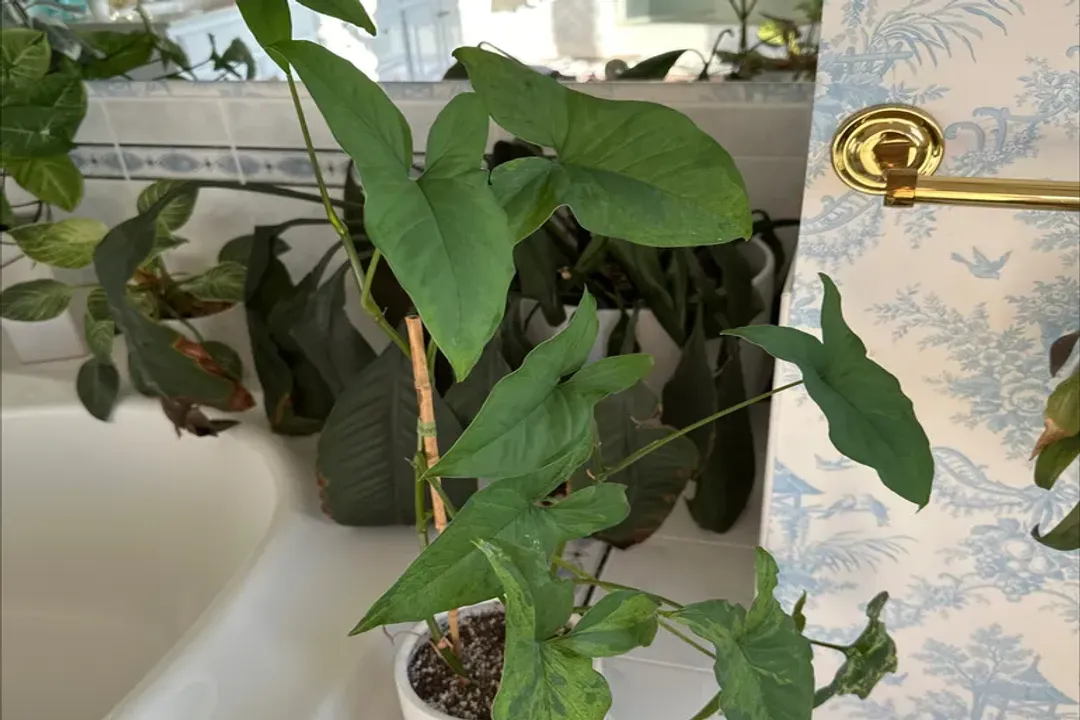
The way Broadleaf Arrowhead is prepared directly impacts how its potential health benefits are accessed. The starchy corms are typically cooked before ingestion, often boiled, roasted, or mashed, similar to a potato. [1][4] This processing breaks down the starches, making them digestible and releasing concentrated energy. [4] If the traditional goal was digestive support or general nutrition, cooking the corm is the correct approach.
Conversely, if a preparation was intended to address inflammation or fevers, as suggested by some traditional records, the method likely differed, perhaps involving teas made from the leaves or specific parts of the root prepared raw or minimally processed. [6] An interesting aspect to consider when approaching this plant is tailoring the preparation to the intended outcome. For instance, extracting water-soluble compounds for a traditional tonic might require infusion, whereas maximizing the energy yield demands full cooking of the corm. This highlights a sophisticated, albeit unquantified, understanding of differential extraction methods based on the desired health effect. [4] If one were to pursue the traditional path of utilizing the plant's full spectrum, understanding these preparation contrasts—the difference between a cooked staple and a decoction—is essential for gaining the intended benefit.

# Cultivation Insights
For those interested in accessing the health benefits of S. latifolia, understanding its growth habits moves from mere curiosity to necessary action. [8] Since the corms are the most valuable part, successful cultivation hinges on providing the right environment: shallow, muddy, or submerged conditions. [3][5] The plant spreads via these tubers, meaning that a single successful patch can yield food and remedy material year after year, establishing a local, sustainable resource. [8]
When managing a patch, whether for food or traditional medicine stock, managing the aquatic environment is key. [5] Arrowhead can grow quite densely, sometimes requiring management to prevent it from crowding out other desirable aquatic flora. [5] However, for the individual seeking to maintain a consistent supply of this resource, encouraging robust tuber production through proper site selection—avoiding overly deep water—is paramount for ensuring a steady harvest of its primary nutritional and therapeutic components. [8] Growing your own supply ensures you know exactly how the plant was treated, a key consideration when using it for health purposes. [8]
# Historical Context
The role of Broadleaf Arrowhead transcends its current status as a lesser-known wild edible; it was a significant staple food source for many Native American tribes, particularly those residing near water bodies in the eastern and central regions of the continent. [1][3] The corms were so important in some regions that they were a primary winter food supply, often harvested in the fall before the water froze and stored in the cool mud. [1] This deep historical reliance speaks volumes about its reliability and inherent value, suggesting a long history of use where deficiency was not a risk among populations that knew how to source it correctly. [3] This extensive historical consumption forms an experiential base for the current appreciation of its nutritional and remedial qualities. [7]
Related Questions
#Citations
Broadleaf Arrowhead - Indian Potato - Through The Woods
SURVIVAL FOOD Broadleaf Arrowhead plant (Sagittaria latifolia ...
Broadleaved Arrowhead in the Eastern US - Eat The Planet
Arrowhead Sagittaria latifolia - Edible Wild Food
[PDF] Broadleaf Arrowhead weedy plants - The Blue Lakes Program
Sagittaria sagittifolia (arrowhead) | CABI Compendium
Grow Your Food: Amazing Broadleaf Arrowhead Plant - LinkedIn
10 Benefits Of Having An Arrowhead Plant - Greg