Are lampreys delicious?

The simple inquiry into whether lampreys are delicious often yields wildly divergent answers, ranging from historical reverence to outright disgust. This creature, often described with terms like "gruesome" due to its parasitic origins and unsettling, jawless appearance, occupies a unique and often controversial space in global cuisine. Its edibility seems inextricably linked not just to the specific species or the method of harvest, but more importantly, to the cultural context in which it is served.
# Royal Dishes
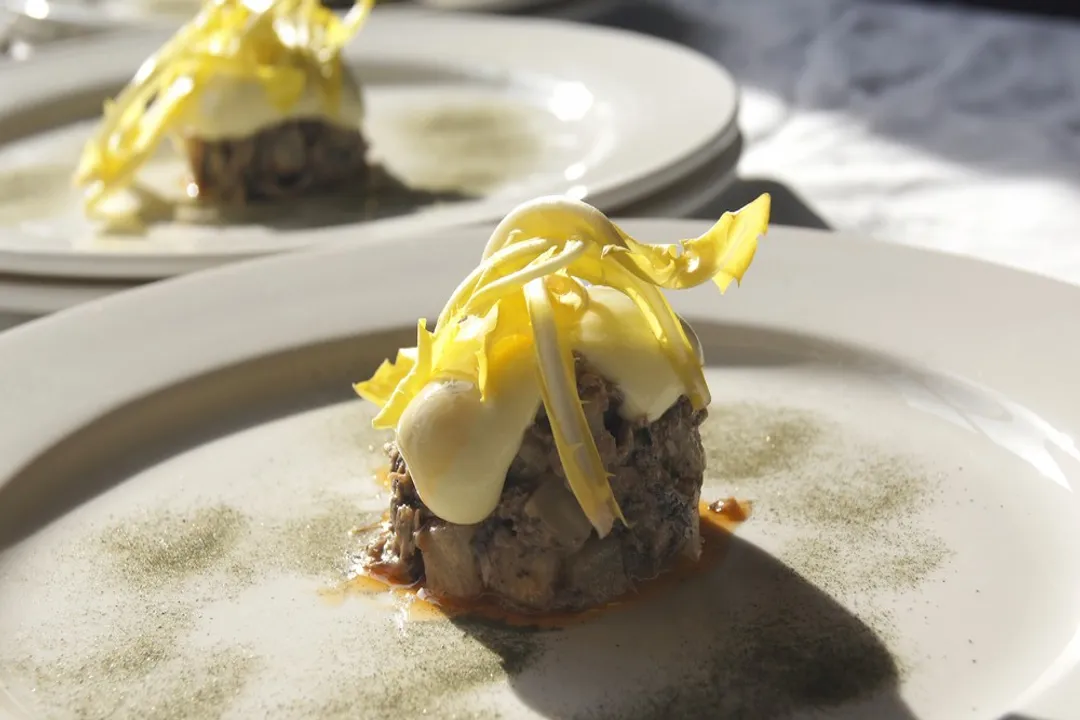
The most famous culinary association with the lamprey in the English-speaking world centers around lamprey pie, a dish with deep historical roots. This tradition is so old that it involves a famous, albeit morbid, anecdote regarding King Henry I, who is reputed to have died after overindulging in the delicacy. This association ties the lamprey to high ceremony and historical British royalty, most notably connecting the tradition to the city of Gloucester. Historically, when prepared as a pie, the preparation often involved baking the lamprey within a pastry crust with its head sticking out, perhaps for dramatic effect or simple identification. The cultural memory surrounding this dish persists, sometimes appearing in modern references, keeping the idea of lamprey alive even if few people regularly consume it today.
# Flavor Profiles
When moving past the historical or cultural presentation, the actual eating experience is where opinions truly diverge. For those accustomed to it, such as in specific regions of Portugal, lamprey is considered a genuine delicacy, often reserved for celebratory meals and commanding a high price. However, for the uninitiated or those encountering a different species, the reaction can be less enthusiastic.
When modern tasters have sampled the sea lamprey—a species often viewed with apprehension—the flavor description tends to hover around strong fishiness. Some have compared the taste to that of strong eel or perhaps catfish. Other comparisons land near canned salmon or tuna, though certainly more intense. A significant challenge to the enjoyment of lamprey, regardless of flavor notes, appears to be the texture. Descriptors frequently mention that the meat is very soft. One observation noted the texture was akin to cooked oysters, though decidedly firmer. Others have found it mushy or gelatinous, which is often the sticking point for those who find the experience off-putting.
If we observe the contrast between the expensive, prepared Portuguese lampreia and the often-revivalist or curiosity-driven taste tests of North American sea lamprey, it becomes apparent that preparation dictates acceptance. The Portuguese often prepare it grilled or stewed à Bordalesa in a rich wine sauce, methods designed to imbue deep flavor while potentially firming up the delicate flesh. This contrasts sharply with the baking method used for the traditional pie. When considering texture as the primary variable, it seems the key to deliciousness isn't avoiding the inherent soft nature, but rather finding a preparation method that complements or controls it, whether through high heat like grilling or by suspending it in a flavorful, robust binder like a wine reduction.

# Preparation Styles
The methods used to prepare lamprey vary dramatically across cultures, suggesting that the animal's inherent characteristics—its soft flesh and strong flavor—require distinct culinary approaches. In Portugal, for instance, the focus is on enhancing the richness. The Lampreia à Bordalesa is perhaps the pinnacle of this approach, involving a sauce based on the creature's own blood and red wine, a technique that signals a deep commitment to traditional flavor complexity.
In contrast, the historical British lamprey pie prioritized encasing the fish for baking, offering a different textural outcome and likely tempering the intensity of the flavor through the pastry environment. Moving across the Pacific, the consumption history among Indigenous Peoples of the Columbia River Basin shows yet another pathway, involving smoking or drying the Pacific Lamprey. This preservation method fundamentally alters the texture, removing the softness associated with fresh or recently cooked specimens and creating a cured product, much like jerky or smoked eel.
This spectrum of techniques—wine stewing, baking in pastry, and smoking/drying—demonstrates that preparation is not secondary; it is the entire proposition. An individual tasting a steamed sea lamprey and finding it too soft and muddy would likely have a completely different experience with the firm, smoky product enjoyed traditionally along the Columbia River.
# Modern Reception
Today, outside of established regional delicacies like those in Portugal or historical practices, consuming lamprey often falls into the category of novelty or environmental management. Groups have gathered specifically to consume sea lamprey, driven by curiosity about one of the planet's most ancient and anatomically unusual vertebrates. While these modern gatherings result in descriptions of strong, gamey tastes, they also underscore the underlying aversion many people hold.
The Pacific Northwest fishing community, for example, often views the Pacific Lamprey with suspicion rather than as a food source. Concerns are frequently raised about their parasitic lifestyle—the "vampire" label—and general apprehension about consuming an animal known for attaching itself to other fish. This modern skepticism contrasts sharply with the Portuguese appreciation for the delicacy, highlighting a cultural gap where the lamprey's appearance and feeding habits significantly outweigh its potential flavor merits for many contemporary Western palates. The fact that sea lamprey taste tests require pre-emptive acknowledgments of the animal's "gruesome" status before the tasting even begins speaks volumes about the psychological hurdle involved.
Ultimately, whether a lamprey is "delicious" depends entirely on expectation, cultural background, and, crucially, the chef's skill in transforming its unique texture. For the dedicated epicurean familiar with the robust flavors of Iberian cuisine, the answer is an emphatic yes; for the casual observer tasting a steamed specimen for the first time, the answer is often a resounding no.
#Videos
This Ancient Blood-Sucking Creature Is a Superfood - YouTube
Related Questions
#Citations
Hey, has anyone here ever had Lamprey Pie? It sounds awful. - Reddit
Lamprey pie - Wikipedia
This Ancient Blood-Sucking Creature Is a Superfood - YouTube
That Time I Organized a Sea Lamprey Taste Test
Lampreys are said to be tasty! - Facebook
Don't Eat The Lamprey - PNW Fly Fishing Forum
The Sea Lamprey Society Gathered to Eat the Most Gruesome ...
Lamprey - Gastro Obscura
Demystifying the Pacific Lamprey | U.S. Fish & Wildlife Service