Why is skipjack cheaper than albacore?
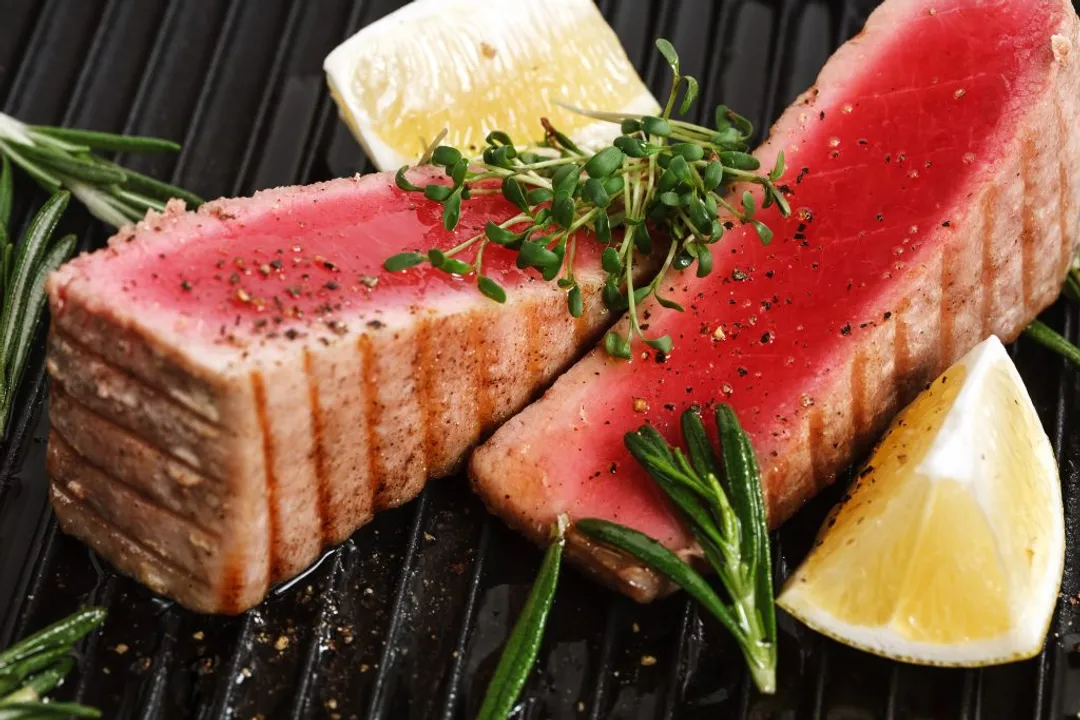
The price difference between skipjack and albacore tuna on the grocery shelf isn't random; it's a direct result of fundamental biological distinctions between the species, the efficiency of their harvesting methods, and how the market ultimately values their resulting flavor and texture. [1] When you reach for a can of tuna without any further specification, it is most likely skipjack, the fish that anchors the high-volume, lower-cost segment of the canned fish industry. Albacore, often clearly labeled as "chunk white," consistently carries a higher price tag, a reality rooted deeply in marine science and global fishing economics. [1]
# Species Basics
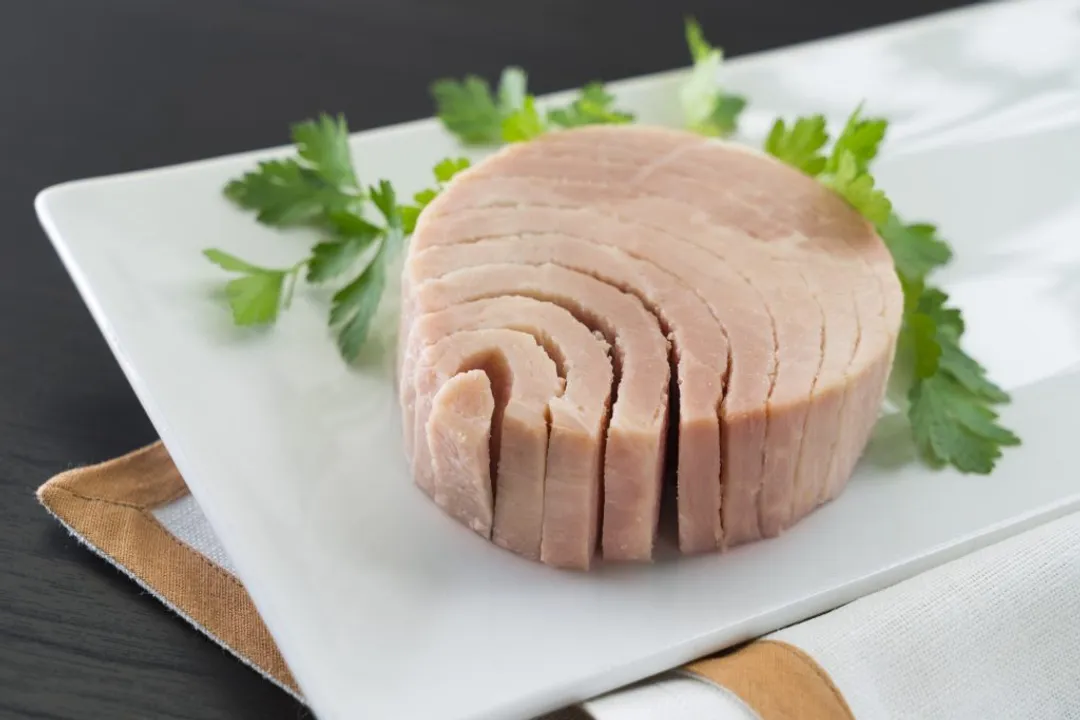
Skipjack tuna (Katsuwonus pelamis) and albacore (Thunnus alalunga) are biologically separate species, and these differences dictate their commercial fate. Albacore is recognized for its size; it is generally a larger fish with a longer lifespan compared to skipjack. This increased longevity means albacore tends to accumulate higher concentrations of environmental contaminants, such as mercury, over time.
Conversely, skipjack are smaller and mature much more rapidly. Their shorter life cycle naturally keeps their mercury levels lower than albacore, often positioning skipjack as the safer choice for individuals who consume tuna frequently, like young children or those monitoring heavy metal intake. Skipjack is, by volume, the most heavily utilized fish for canning worldwide.
The visual cue for consumers is also distinct. Albacore meat retains a light, almost white color when processed, leading to its market designation as "white meat" tuna. Skipjack meat is darker, appearing reddish-brown or darker after canning, classifying it as "light meat" tuna.
# Flavor and Texture Tradeoffs
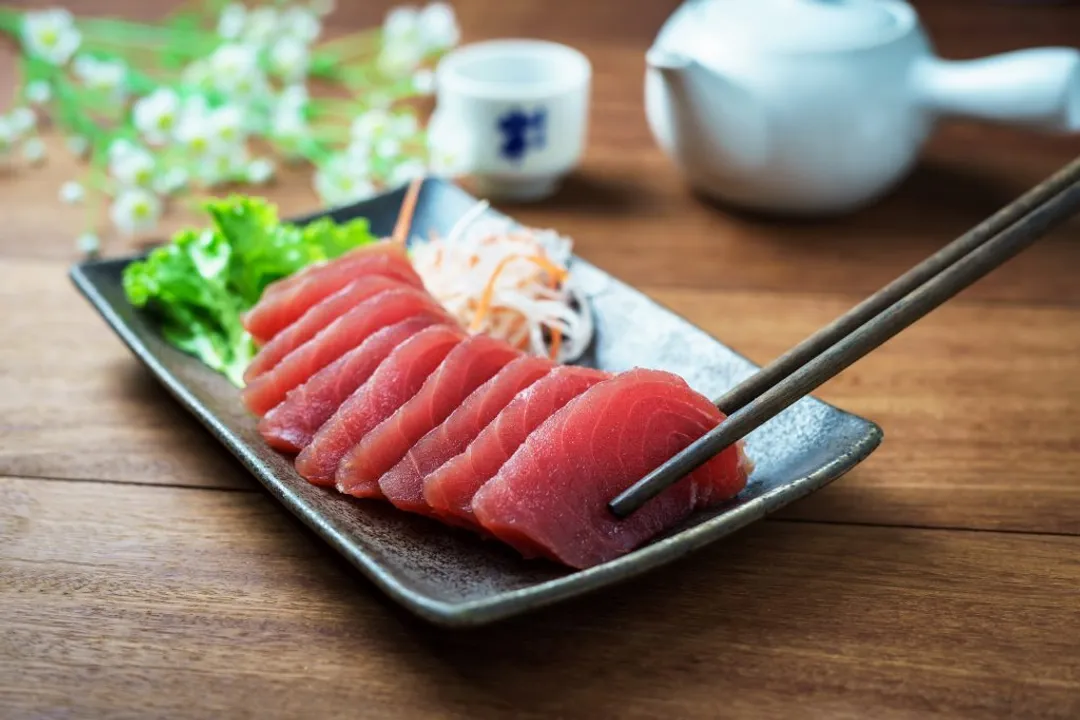
The sensory experience you get from opening a can of each is a major factor supporting the two-tiered pricing system. Albacore is sought after for its mild, delicate flavor that does not overpower other ingredients in a dish. Moreover, its texture is firmer, often described as steak-like, allowing it to hold its form well in recipes. This combination of mildness and structure often justifies its higher price point in the premium segment. [1]
Skipjack, while perfectly suitable for many applications, possesses a more robust and notably stronger "fishier" taste. Its texture is generally flakier than albacore. For consumers prioritizing cost containment or those using the tuna in heavily seasoned dishes where flavor intensity is less of a concern, the skipjack’s affordability outweighs its stronger profile.
Here is a direct comparison of the attributes that drive consumer choice and pricing:
| Attribute | Skipjack Tuna | Albacore Tuna |
|---|---|---|
| Meat Color | Darker (Light Meat) | Lighter (White Meat) |
| Flavor Strength | More pronounced | Milder, more delicate |
| Texture | Flakier | Firmer, holds shape better |
| Mercury Level | Lower naturally | Higher naturally |
| Market Role | High-volume staple [1] | Premium product [1] |
# Efficiency of Capture
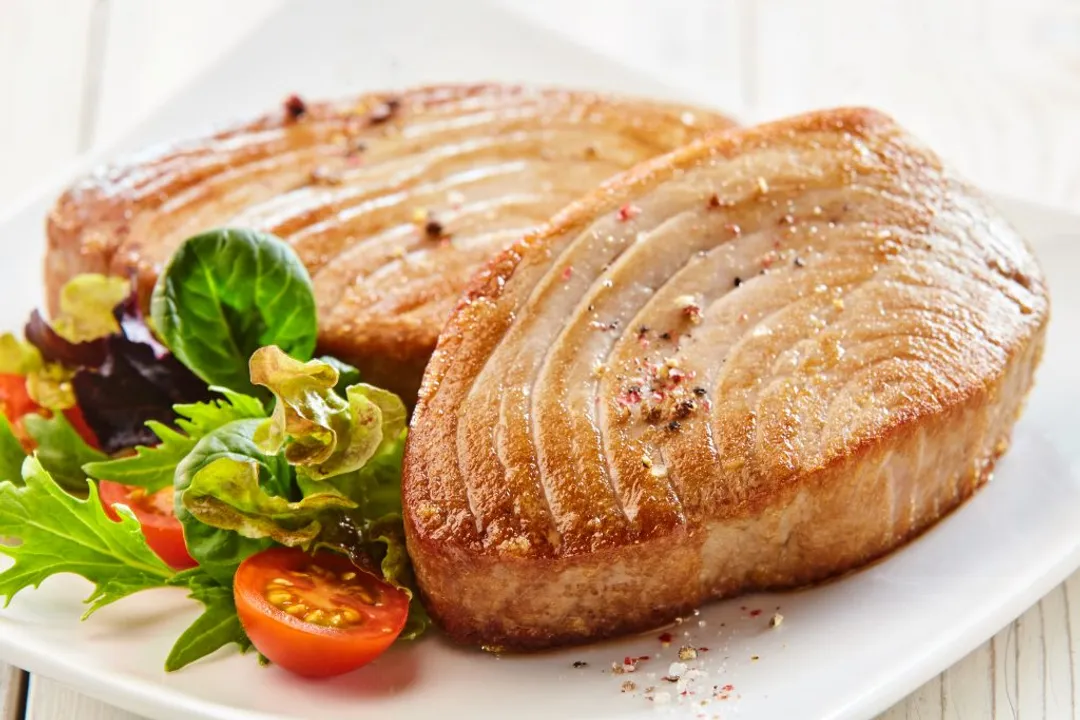
The methods used to catch these species directly impact the supply cost. The key driver for skipjack's lower price is the sheer efficiency with which massive quantities can be harvested. Skipjack fish swim in dense, large schools, making them ideal targets for purse seine fishing nets. This technique allows fishers to encircle entire schools and bring an enormous tonnage of fish to port in a single setting. This high-yield, low-effort-per-fish approach spreads the operating costs of the fishing vessel—fuel, crew, etc.—across a huge volume of product, driving the raw material cost down significantly.
Albacore, conversely, is frequently caught using methods like pole-and-line or longlining. Pole-and-line fishing requires individual catches, demanding more labor, time, and skill per fish landed compared to the bulk capture of a purse seine. While the cost per albacore fish caught might be higher due to the increased labor, the overall lower retail price of skipjack indicates that the massive, consistent yield from schooling skipjack overwhelmingly dictates the commodity price point for the industry.
If we look at processing capacity, the industry is geared to handle the immense, steady flow of skipjack. This massive throughput allows canneries to operate at peak efficiency, further reducing the overhead allocated to each can of light tuna.
# Market Segmentation
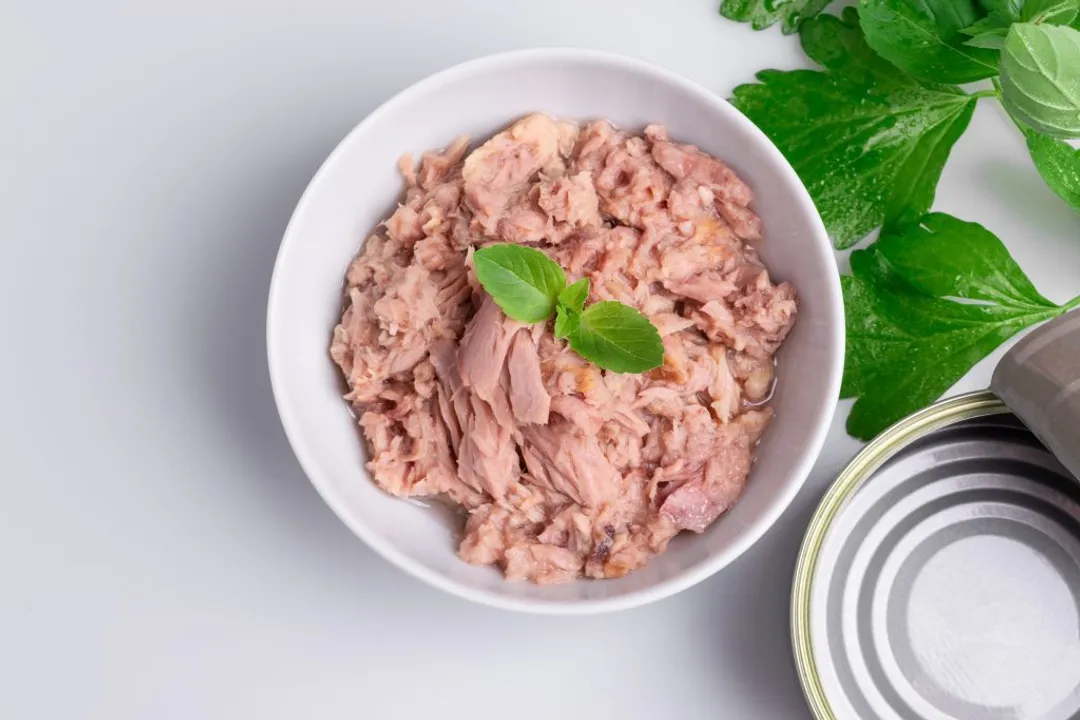
The final retail price reflects how manufacturers position these two types of tuna for different consumer needs. Skipjack is positioned as the essential, budget-friendly staple, ensuring broad market access and high sales volume. [1] Its affordability is its strongest selling point. [1]
Albacore's premium status is cemented by its color and texture, qualities that consumers are willing to pay more for, even knowing that it generally carries higher mercury levels. Consumers who prefer whiter meat or need a flakier texture that blends seamlessly into dishes often accept the added cost as a premium for sensory attributes, rather than necessarily for superior sustainability or nutrition, as the lower mercury skipjack offers health advantages in that regard.
For a consumer assembling a weekly grocery list, the choice is straightforward: skipjack offers the most tuna per dollar spent, whereas albacore is the choice when texture and a milder flavor profile are non-negotiable for specific meal preparations. [1]
# Supply Stability
The predictability of the skipjack supply chain also plays an unseen role in maintaining a lower, stable price. Because skipjack form predictable, large schools and are harvested using high-efficiency techniques, the volume entering the market remains relatively consistent throughout the year. This operational consistency minimizes the supply chain risk that can plague other fisheries, reducing the need for producers to build large price cushions into the final product cost. While albacore fisheries are important, their catch volumes can sometimes experience greater swings based on migration timing or specific fishing regulations across different regions, potentially introducing minor price fluctuations that are less common in the mass-market skipjack trade.
Related Questions
#Citations
Why is skipjack tuna less expensive than chunk white ...
ELI5 why is Tuna fish cheap and expensive at the same time
What makes the skipjack tuna better than other cans?
Types of Tuna Explained: Taste, Cost, and More for 2025
Skipjack Tuna: Taste, Nutrition, Habitat
Comparing Albacore, Skipjack, Yellowfin and Bigeye,which ...
Why tuna's so cheap.
Q&A: What's the difference between the various types of ...