What are the characteristics of honey?
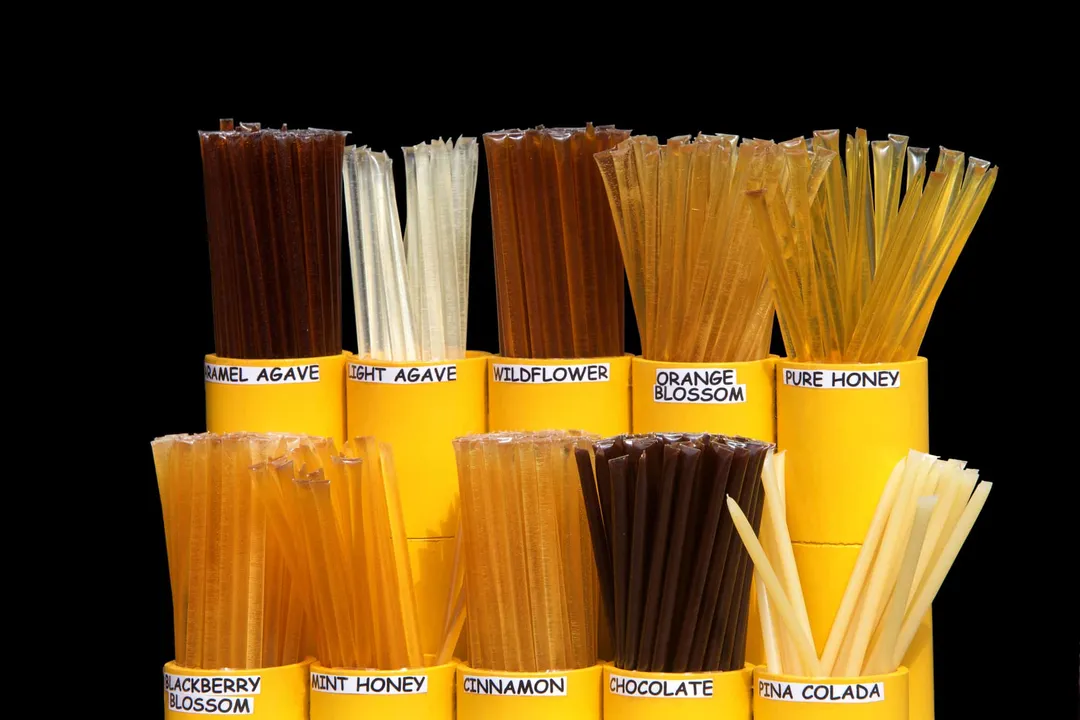
Honey is one of nature’s most intricate edible products, a naturally sweet substance produced by honey bees from the nectar of flowering plants or from honeydew, a sugary secretion of plant-sucking insects. [2][5] It is essentially a concentrated solution of sugars mixed with water, enzymes, minerals, vitamins, and aromatic compounds. [5] Bees modify the nectar through regurgitation, enzymatic action, and evaporation, transforming it from a watery floral secretion into the dense, viscous liquid we recognize. [2] This process is crucial, not just for preservation but also to create a food source that can sustain the colony through leaner times. [6]
# Chemical Makeup

The composition of honey is remarkably consistent across different floral sources, yet subtle variations lead to significant differences in flavor and physical behavior. [10] Chemically, honey is predominantly a carbohydrate, usually comprising about 80% sugars, with water making up about 18%. [2][5] The remaining small percentage includes a variety of other materials that contribute to its specific characteristics. [5][10]
The primary sugars in honey are fructose and glucose. [2][5] Typically, fructose is the most abundant monosaccharide, followed closely by glucose. [5][10] The ratio between these two sugars has a direct impact on how quickly honey crystallizes; a higher proportion of fructose means the honey will remain liquid longer, as fructose is more soluble in water than glucose. [5] Other simple sugars present include maltose, sucrose, and traces of melezitose. [5] The presence of sucrose, which is a disaccharide, generally indicates that the honey has not been fully processed by the bees or has been adulterated, as mature, healthy honey should have very low sucrose levels, often less than 5%. [5][10]
Beyond the sugars, the water content is the next most significant component, usually falling between 15% and 20%. [2][10] This low water content is a key characteristic that inhibits the growth of most microorganisms, acting as a natural preservative. [7] However, if the water content rises above 20%, the honey becomes susceptible to fermentation by yeasts. [2]
Trace elements account for the final portion, but they are vital for color, aroma, and perceived health benefits. [1] These components include enzymes added by the bees, such as diastase and invertase, which aid in breaking down the complex sugars. [5] Honey also contains minerals like potassium, calcium, magnesium, iron, and zinc, along with amino acids, organic acids, and various vitamins. [5][3] The acidity of honey, generally between 3.2 and 4.5 pH, is largely due to these organic acids, which also contribute to its antimicrobial properties. [7]
# Physical Attributes

The physical characteristics of honey—how it flows, appears, and changes over time—are perhaps what consumers notice first. [10] These properties are quantifiable and offer insight into the honey’s quality and floral origin. [1]
# Viscosity and Flow
Viscosity, which is essentially the measure of a fluid’s resistance to flow, varies significantly in honey. [10] It is heavily dependent on temperature and water content. [10][1] At room temperature, honey is quite viscous, which is why it pours slowly. [7] Warmer temperatures decrease viscosity, making it runnier, while cooler temperatures increase it, making it thicker and stiffer. [10] For example, honey stored at 70°F (21°C) will flow more easily than the same batch stored at 50°F (10°C). [1] The difference in water content between various floral sources also impacts this; honey with lower moisture content will be naturally more viscous. [10]
# Color and Clarity
Honey color is extremely variable, ranging from nearly colorless to dark brown or almost black. [2][1] This variation is directly linked to the floral nectar source. [2][6] Lighter honeys, such as those from clover or acacia, are often pale yellow or water-white. [1] In contrast, darker varieties, like buckwheat or forest honeys, contain higher concentrations of minerals and sometimes oxidized sugars, leading to their deep amber or brown hues. [1][5]
Clarity, or the lack thereof, relates to how much particulate matter is suspended in the honey. [1] While pure, freshly extracted honey is often quite clear, it can become cloudy due to the presence of fine particles like pollen, tiny air bubbles, or the development of tiny sugar crystals. [1] In many regions, especially those valuing natural processing, slightly cloudy honey is seen as a sign of minimal filtering and adherence to natural methods. [6]
# Crystallization
Crystallization, often mistakenly viewed as spoilage, is a natural process where the glucose component separates from the water and forms solid crystals. [2][7] This process is inevitable for most honeys over time, though the rate varies drastically depending on the fructose-to-glucose ratio. [5] Honeys high in glucose, such as clover or dandelion honey, will crystallize relatively quickly, sometimes within weeks, while those high in fructose, like tupelo or acacia, can remain liquid for years. [2][7]
The texture upon crystallization can range from fine and creamy to large, gritty crystals. [1] If consumers prefer liquid honey, gentle warming can reverse the process, but it must be done carefully. Heating honey above approximately 104°F (40°C) can destroy beneficial enzymes, and high heat (above 140°F or 60°C) can degrade its quality and flavor. [7] A practical consideration for consumers is understanding that if you buy a liquid honey known for rapid crystallization, like local wildflower honey, you should plan to consume it relatively quickly or store it in a way that allows for easy re-liquefying, such as placing the jar in a warm water bath.

# Sensory Experience

The characteristics that delight the palate—flavor, aroma, and texture—are derived from the hundreds of volatile compounds present in trace amounts. [1][5]
# Flavor Profiles
Honey flavor is incredibly diverse, mirroring the complexity of the plant world from which it originates. [6] The specific blend of sugars, minerals, and organic acids dictates the overall taste profile. [5] Flavors can range from mild and delicate to strong and robust. [1] For instance, certain single-source honeys are described as having notes of citrus, mint, lavender, or even savory spice. [6] The age of the honey can also play a role; while properly stored honey retains its character, very old honey might develop a duller, flat taste profile. [7]
# Aroma
Aromatics are crucial to the overall experience of tasting honey. [1] The scent is largely determined by volatile organic compounds, many of which are derived from the nectar source. [5] For example, heather honey is known for developing a distinct jelly-like texture and a complex, somewhat medicinal aroma. [1] In contrast, alfalfa honey often carries a milder, almost buttery scent. [6]
# Nutritional and Therapeutic Qualities

Beyond its role as a sweetener, honey has historically been valued for its potential health applications, which stem from its unique composition. [3][8]
# Antioxidant Power
Honey contains various phenolic compounds, flavonoids, and organic acids that contribute to its antioxidant capacity. [4] These antioxidants help neutralize free radicals in the body, reducing oxidative stress. [3][8] Studies suggest that darker varieties of honey tend to exhibit higher antioxidant activity compared to lighter ones, likely due to a greater concentration of these phenolic compounds. [4]
# Antimicrobial Action
Honey possesses notable antimicrobial activity, which has been recognized for centuries. [7] This effectiveness against bacteria and fungi is attributed to several factors working in concert: its low water activity (high sugar concentration), its acidity (low pH), the presence of hydrogen peroxide generated by the enzyme glucose oxidase, and the physical presence of phenolic compounds. [7][9] This multi-faceted attack makes honey effective, sometimes even against antibiotic-resistant strains of bacteria. [9] The activity level can be concentration-dependent, meaning its efficacy is strongly tied to how much water it contains. [9]
# Wound Care
The traditional use of honey in dressing wounds and burns is supported by modern research due to its ability to create a moist wound environment, control inflammation, and inhibit microbial growth. [3] Medical-grade honey, which is sterilized to remove Clostridium botulinum spores and other contaminants, is used in clinical settings for its healing properties. [8]
It is worth noting that the perceived intensity of honey’s "heat" or pungency, often experienced with certain dark honeys like Manuka or certain regional varieties, is not necessarily an indicator of higher antioxidant content, but rather linked to specific chemical markers, such as methylglyoxal in Manuka, or high concentrations of certain unesterified fatty acids and tannins in others. [9] This is an important distinction for those selecting honey based on potency.
# Variations by Source and Processing
The final characteristics of any jar of honey are a direct result of its floral source and how it was handled after extraction. [1][6]
# Floral Origin
The source of the nectar is the single biggest determinant of honey characteristics. [1] Bees visit millions of flowers to produce just one pound of honey, and the dominant floral source dictates the final product. [6] For instance, sage honey is known for its mild taste, while mesquite honey can be very thick and crystallize quickly. [6] When you buy local honey, you are buying a true expression of that season's local flora. [2]
# Processing Effects
The journey from the hive to the jar significantly influences the final product. [1] Raw honey is generally considered honey that has not been heated above hive temperature (around 95°F or 35°C) and has only been strained minimally to remove large debris like beeswax chunks or dead bees. [6] Unfiltered honey will retain high levels of pollen, which some consumers seek out for potential allergenic benefits. [1] Conversely, commercially processed honey is often pasteurized (heated) to improve clarity, slow down crystallization, and kill yeast spores, but this heat treatment can lead to the loss of delicate aromatic compounds and natural enzymes. [7][2]
| Characteristic | Low Fructose Honey (e.g., Clover) | High Fructose Honey (e.g., Tupelo) | Impact on Consumer Use |
|---|---|---|---|
| Crystallization Rate | Fast | Slow/Very Slow | Best for immediate use or storage in a warm area. [5] |
| Solubility in Cold Water | Moderate | High | Dissolves more readily in cold beverages. [5] |
| Texture When Crystallized | Fine, grainy | Smooth, syrupy or stays liquid | Affects spreadability. [1] |
| Color | Generally lighter [1] | Varies, often light to amber [1] | Relates to mineral content. [5] |
When evaluating honey quality for cooking or baking, especially in recipes that require precise measurements, understanding the water content difference is key. A highly crystallized (high glucose) honey will behave more like a dry sugar in a recipe than a very fluid, high-fructose variety. If a recipe calls for liquid honey, using a very thick, set honey might slightly alter the final moisture balance of the baked good. This subtle difference in behavior between set and liquid honey, even at the same weight, is something home cooks seldom account for, often attributing slight texture changes to oven variations instead of the ingredient's physical state.
In summary, the characteristics of honey are a complex interplay of its botanical origin, the enzymatic activity of the bees, and the subsequent processing methods. [10][5] From its high sugar content providing preservation, to its variable color hinting at its mineral load, honey remains a substance rich in both culinary delight and fascinating natural science. [2][4]
Related Questions
#Citations
Characteristics of Honey - The Honey Company
Honey - Wikipedia
7 Unique Health Benefits of Honey - Healthline
Authenticity of Honey: Characterization, Bioactivities and Sensorial ...
The Composition of Honey - PerfectBee
Honey Facts | Treasure Valley Bee Rescue
What are the properties of honey? - L'Abella Mel
Breaking Down the 7 Extraordinary Benefits of Honey
Physicochemical characteristics of honey from different origins
The Key Physical Properties of Honey - Agriculture Institute