What are Germany's most iconic dishes?
The German table offers a rich array of deeply satisfying, often protein-heavy fare that speaks directly to the country’s varied geography and history. Far from being a monolithic culinary landscape, the country presents distinct regional flavors, from the hearty, dumpling-laden dishes of the south to the fish-centric specialties of the north. Yet, certain dishes transcend local borders, becoming synonymous with German identity on the global stage, promising a stick-to-your-ribs delicious experience often best paired with a crisp German beer, such as a pilsner or a helles. [1]
# The Meat Standard
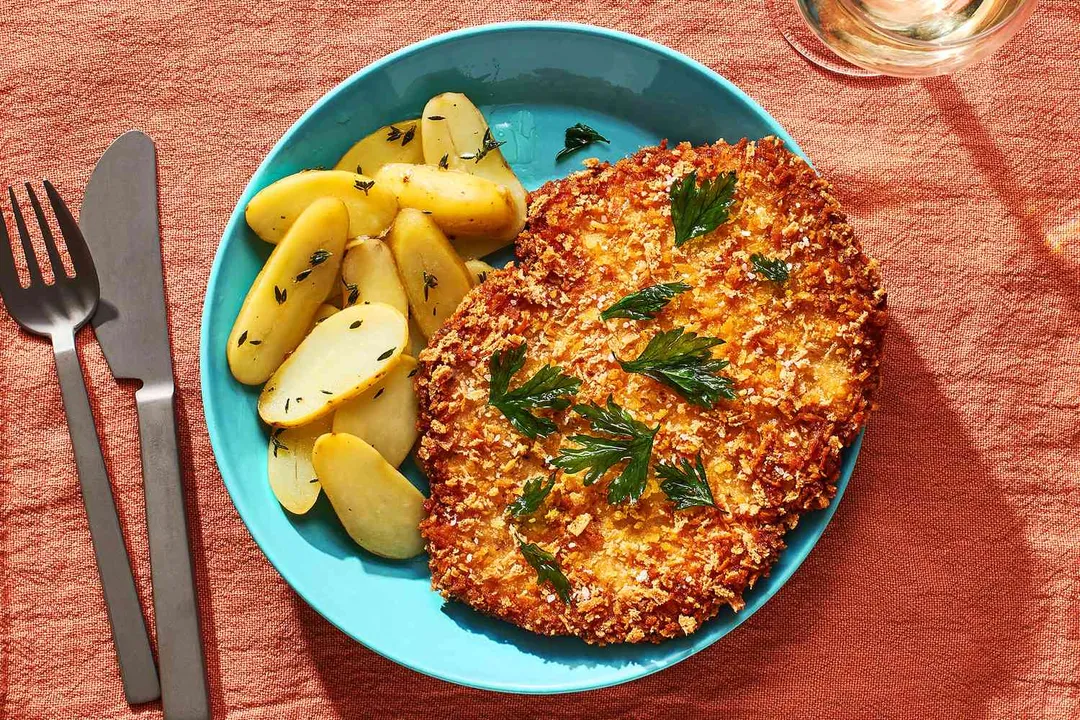
For many, the concept of German cuisine immediately brings to mind tender, perfectly prepared meat, often served in generous portions. [1] Among the most internationally recognized is Schnitzel, a preparation where meat cutlets—though traditionally pork in Germany, unlike the strictly veal Wiener Schnitzel—are pounded thin, breaded, and fried to a golden-brown finish. [2] Recipes vary, showing that while the technique is standard, the protein can change; chicken schnitzel prepared with panko for extra crunch is also a popular adaptation. [1]
Another cornerstone of main courses is the slow-cooked roast, exemplified by Sauerbraten. This dish, originating in the Rhineland, involves marinating a beef roast (historically sometimes horse meat) in a mixture of vinegar, water, spices, and seasonings for an extended period before slow-roasting it into fork-tender perfection. The resulting gravy, often slightly sweet and sour, perfectly balances the rich meat. [1] In Bavaria, the Schweinsbraten (roast pork shoulder) emphasizes a contrast between the savory, tender interior and a delightfully crispy, crackling crust, often seasoned with cumin and caraway. [1] Not far removed in spirit is the Schweinshaxe (pork knuckle), which is famously served grilled until the outside is intensely crispy while the inside remains moist and juicy, often accompanied by sauerkraut or Klöße (dumplings). [1]
The German approach to meat preparation emphasizes deep flavor development, whether through long marination, slow braising, or achieving specific textural contrasts like a blistered crust on a roast. [1]
# Sausage Culture

If German food has a single unifying element, it might be the sheer diversity and cultural importance of sausage, or Wurst. Germany offers countless varieties, a fact evident when examining regional lists; for instance, the Fränkische Bratwurst from Franconia varies widely in seasoning and size, with Nuremberg offering particularly thin, herb-seasoned versions traditionally served three in a roll (Drei in 'a Weckla).
The Bratwurst itself is fundamental, typically composed of veal, pork, or beef, and is meant to be grilled or fried. A crucial evolution of the sausage is the ubiquitous street food, Currywurst. Originating in Berlin and the Rhine-Ruhr area in the early 1950s, this involves a large-format, fried or grilled sausage sliced thick and smothered in a sauce made from curry powder and spicy ketchup, usually served alongside french fries. [1] This remains one of Germany's most popular fast foods, though the Döner kebab is a growing competitor.
Regional specialties also abound. In Munich, the famous Weißwurst (white sausage) is traditionally eaten only before noon, served alongside sweet mustard and pretzels, a custom stemming from historical refrigeration limitations. Meanwhile, in the North, specialties like Bregenwurst are often paired with Grünkohl (kale). Exploring these local sausage types reveals a deep respect for butchery and curing traditions across the entire country.
# Essential Sides
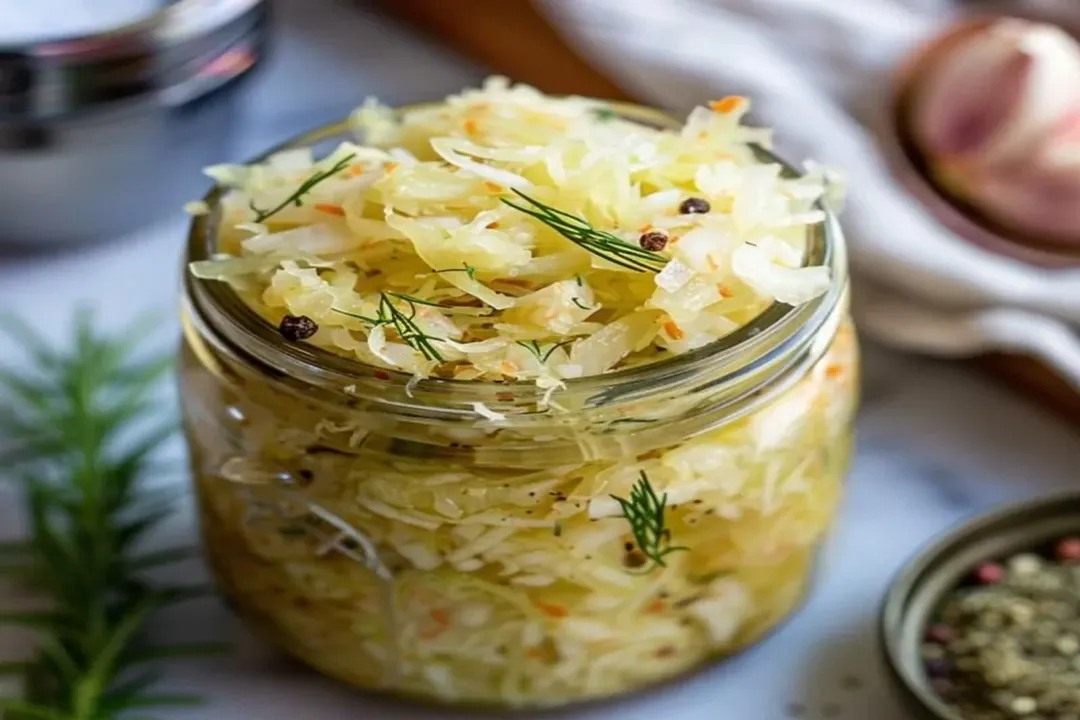
No discussion of iconic German dishes is complete without mentioning the fundamental accompaniments that round out the plate. Sauerkraut, fermented raw cabbage, is perhaps the most famous side, acting as a salad or topping that cuts through the richness of pork and sausage. [2] It is frequently braised with apples and bacon, adding a sweet and sour element that complements heavier meats. [1]
When it comes to potatoes, the concept of Kartoffelsalat (potato salad) splits the nation. In Southern Germany, particularly Bavaria, it is often made with a base of hot chicken stock and vinegar, seasoned with bacon bits and onions, and frequently served warm. [1] Contrast this with Northern Germany, where a creamier, mayonnaise-based dressing is more common. This divergence in potato salad preparation reveals a subtle regional culinary philosophy: the Southern, acidic, broth-based salad acts as a sharp foil to rich roasts, whereas the Northern, creamier version might suit lighter fare better. [1]
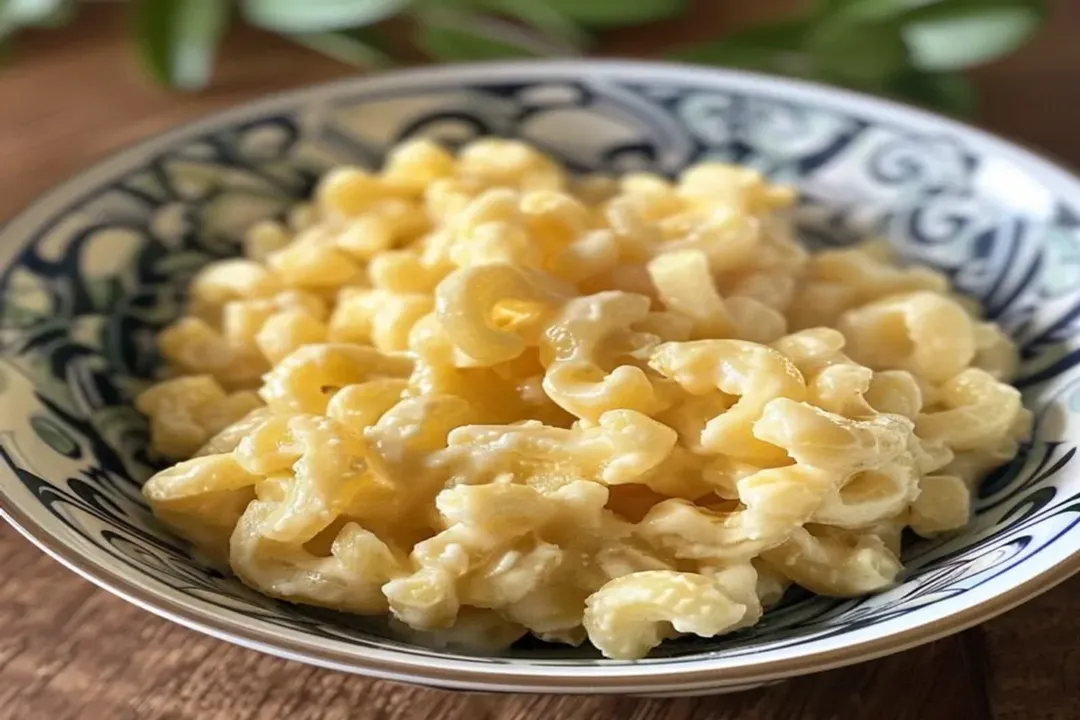
Then there are the dumplings and noodles. Spätzle, which are hand-made egg noodles, are incredibly popular, especially in the South. They are a versatile base, famously served simply with cheese and caramelized onions (Käsespätzle) or paired with lentils (Linsen mit Spätzle). [1] Dumplings in general, known as Knödel or Kloß, come in many forms—some based on bread crumbs (Semmelknödel) and others on potatoes (Kartoffelknödel), sometimes using a mix of raw and cooked potatoes. In Bavaria, Pretzel and Mustard Dumplings offer a clever way to use up stale pretzels, bound with egg and infused with pretzel flavors. [1]
# Regional Showcases
To truly grasp German cuisine, one must look beyond the national superstars to regional excellence, which often displays unique historical influences.
In East Prussia (formerly), the culinary landscape showed influences from Poland and Lithuania, resulting in dishes like Königsberger Klopse. These are meatballs served in a distinctive white cream sauce flavored with capers, creating a slightly sweet and sour profile.
Moving west to the Rhineland, Reibekuchen, or potato fritters, are a beloved staple, often served with apple syrup or sugar. A more surprising dish from this region is Himmel und Erde (Heaven and Earth), which combines mashed potatoes (earth) with fried blood pudding (often associated with the sky or heaven in this context) and stewed apples.
In the Palatinate, the focus shifts to heartier, peasant-style fare, such as Saumagen, which is a pork stomach casing filled with a mixture of pork, sausage meat, and potatoes, typically served with mashed potatoes and sauerkraut. This focus on utilizing the whole animal is a recurring theme in many older, traditional recipes.
# The Sweet Finish
German baking and pastry are sophisticated, ranging from rustic fruit cakes to intricate Christmas specialties. [1] Kuchen refers generally to yeast cakes filled with fruit or cheese, often served at any time of day; a rustic apricot Kuchen is cited as a hearty, satisfying option. [1] Apfelstrudel, while also popular in Austria, is a definitive German pastry. [1]
For the holidays, Stollen, particularly the variety from Dresden, stands out as a bread-like cake packed with dried fruit, nuts, and warm spices like cinnamon and cardamom, usually enjoyed during the Christmas season. On a daily basis, sweets like Berliner Pfannkuchen (often just called Berliner or Krapfen depending on the region) are fried dough dumplings filled with jam and coated in sugar, serving as the nation's essential doughnut.
As a subtle observation, the omnipresence of specific flavor accents acts as a connecting thread. Whether it’s the slight sourness of Sauerbraten, the tang of mustard accompanying a Bratwurst, or the vinegar used in certain potato salads, there appears to be a cultural preference for sharp, acidic notes to slice through the fundamental richness of pork, beef, and potato preparations. [1] This reliance on acid, often paired with the earthiness of caraway or mustard seed, creates a characteristic German profile that balances the heavier ingredients. [2]
# Everyday Staples
Beyond the grand feasts, German food culture is built on accessible, comforting staples. The bakery is central to daily life, offering dense, seeded breads like Vollkornbrot alongside the iconic Pretzel (Brezel). [1] The German pretzel is praised for its uniquely soft exterior texture compared to other iterations, making it perfect on its own, with beer, or alongside mustard. [2] It's a pastry that can effectively serve as breakfast, snack, or side dish. [2]
Then there is Leberkäse, a type of baked meatloaf, which showcases its versatility. It can be served as a main course sliced with a sunny-side-up egg and mashed potatoes, or quickly consumed for lunch in a bread roll with mustard—a direct local analogue to the American hot dog concept, but distinctly different in flavor and texture. [2] This duality—offering both elevated, slow-cooked meals and simple, portable sustenance—is key to understanding why these foods endure as cultural icons.
Related Questions
#Citations
My Top 5 Favorite Traditional Dishes You Need To Try - German Style!
22 German Specialties From Pretzels to Schnitzel - Food & Wine
List of German dishes - Wikipedia