Is crappie sold in stores?
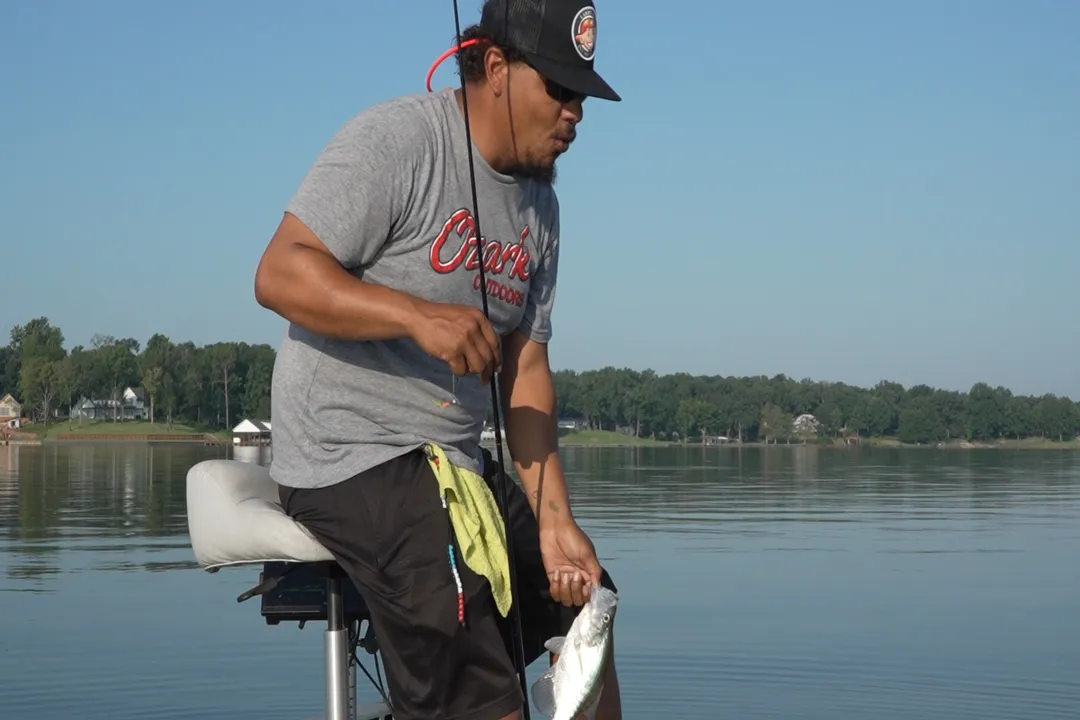
The familiar sight of farm-raised catfish filets in the refrigerated section of nearly any grocery store often leads anglers and food enthusiasts to wonder why their favorite freshwater catch, like bass or bluegill, is missing right next to them. [3] Crappie, a highly prized panfish known for its delicate white flesh, does not share that same widespread retail availability. If you are looking to purchase crappie for dinner, the immediate answer is that you are unlikely to find it next to the salmon or tilapia in a standard supermarket. [3]
# Retail Scarcity
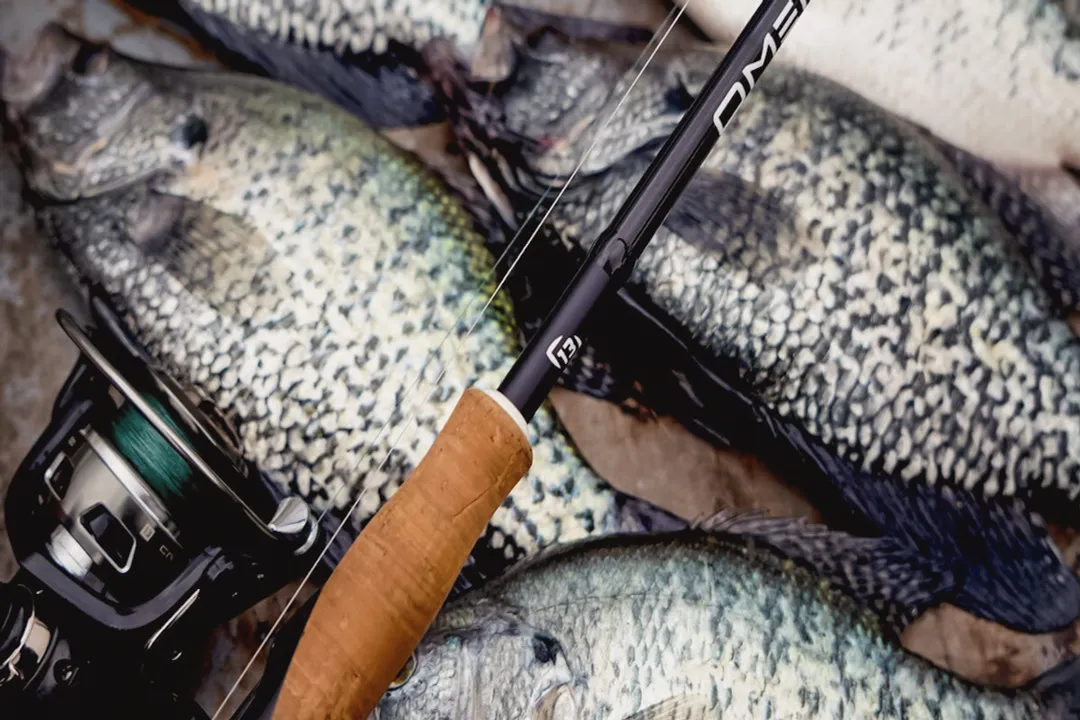
The primary reason crappie avoids the mainstream grocery aisle involves a mix of historical precedent, consumer demand structuring, and logistical challenges inherent to game fish versus aquaculture staples. [6] Catfish, for instance, has a well-established, scaled commercial aquaculture industry designed for consistent, high-volume production year-round, making it an ideal commodity for large retailers. [3] Crappie, on the other hand, has traditionally been caught and consumed through recreational fishing, meaning the supply chain built around it is entirely different. [6]
When people discuss buying crappie commercially, they are often running up against the complex world surrounding the sale of sport fish. [6] Many popular freshwater species, including bass and bluegill alongside crappie, have historically been viewed primarily as something to be caught, not purchased. [3]
# Farming Challenges
For any fish to become a grocery store staple, large-scale farming—aquaculture—must be viable and economical. [8] While some efforts are made, the commercial farming of crappie presents unique difficulties compared to species like catfish. [8] One major factor discussed in relation to crappie farming is growth stunting. [8] If a population of farmed fish doesn't grow quickly and uniformly to a desirable market size, the economics of processing and sales break down rapidly. A farm that cannot guarantee a consistent poundage of marketable fish at a competitive price point simply cannot secure contracts with major grocery chains. [8]
It appears that while the desire for crappie exists, the industry infrastructure to reliably provide it in the volume and consistency required by modern retail has not fully developed, or perhaps has been intentionally sidelined in favor of promoting the recreational harvest. [6]
When you compare the two, the difference in supply chain commitment is stark. Catfish operations are set up for predictable output, whereas scaling up crappie production to meet potential mass market demand introduces variables that large distributors shy away from. [3]
# Supply Chain Comparison
To better illustrate why one fish thrives in grocery stores while the other languishes, consider this generalized breakdown:
| Feature | Farm-Raised Catfish | Crappie (Commercial Potential) |
|---|---|---|
| Primary Source | Dedicated Aquaculture | Wild Harvest / Small-Scale Farming |
| Supply Consistency | High; year-round production | Low to Moderate; seasonal wild catch variability |
| Market Perception | Commodity Food Fish | Sport/Recreational Fish |
| Retail Placement | Standard Grocery Meat/Seafood Case | Rare; Specialty/Online Only |
| Growth Rate | Optimized for rapid commercial harvest | Prone to stunting in intensive farming [8] |
This comparison highlights that the issue isn't necessarily consumer taste—crappie is known to be excellent—but rather the commercial process of getting it to the shelf. [3]
# Niche Markets
Although the conventional supermarket route is mostly closed off, it does not mean you can never buy crappie meat. You just need to look in specialized locations or through dedicated channels. [5]
# Specialty Sellers
If you are determined to source crappie meat without casting a line yourself, your best bet is often specialty seafood providers or online retailers that focus on freshwater fish. [5] These businesses cater to a smaller, more dedicated clientele who know exactly what they are looking for and are generally willing to pay a premium for the scarcity or convenience. [5] For instance, some online stores that focus on northern freshwater species, like walleye, may also offer crappie, typically as a frozen product. [5]
It is important to note that when purchasing from these niche suppliers, you are often dealing with fish that were either caught in a commercial net operation targeting these species or, less commonly, sourced from specialized, smaller-scale farming operations. [6] The price point will almost certainly reflect this non-commodity status.
# The Recreational Focus
The strong cultural link between crappie and recreational angling heavily influences its commercial status. [6] A significant amount of industry infrastructure—from bait shops to tackle manufacturers—is dedicated to the sport of catching crappie, not eating it commercially. [7]
You can easily find specialized gear for crappie fishing, such as specific jigs, rods, and electronics, at large sporting goods retailers. [7] Walmart, for example, sells comprehensive "crappie kits," which contain the tackle needed to catch the fish, not the processed filets. [4] This illustrates where the market’s energy and investment are directed: providing the tools for the catch. [7] This market dynamic naturally deprioritizes the development of a large-scale, consistent food supply chain.
For someone seeking to eat crappie regularly, understanding this recreational emphasis offers an actionable insight: seek out local fish fries or community events sponsored by fishing clubs. Often, the best place to find locally caught crappie prepared for consumption is at church or community fundraisers, particularly in regions where crappie fishing is popular. These groups are utilizing the local, abundant supply that doesn't make it to commercial distributors. [3]
Another point of consideration for the consumer is seasonality and local regulations. Since much of the available supply remains tied to the recreational catch, your ability to find it fresh—even at a local fish market, let alone a chain store—will fluctuate wildly based on the time of year and local fishing seasons. [6] Unlike a farm-raised product where supply is managed against demand, wild-caught crappie supply is managed against nature.
For the home cook interested in consistency, recognizing that crappie is not treated like pork or chicken in terms of supply chain management is key. If you are passionate about the flavor, you might need to build relationships with local commercial netters (where legal) or commit to learning the craft of catching them yourself. This hands-on approach remains the most reliable way to secure a supply of fresh, local crappie. [6]
In summary, while crappie is celebrated for its taste, its presence in stores is an exception rather than the rule. [3] The barriers involve the economics of farming, the cultural dominance of recreational harvest, and the logistical preferences of large grocery chains, all favoring established aquaculture products like catfish. [3][6]
Related Questions
#Citations
Why Crappie Aren't Sold in Stores - YouTube
Why Is Crappie Usually Not Sold In Stores? - Pinterest
I can go to the grocery store any time and buy farm-raised catfish ...
Crappie Kits for Fishing Enthusiasts Shop Walmart for Great Deals
Crappie Fillets for Sale, Buy Crappie Fillets Online - Walleye Direct
Cash for Crappie: The Complex World of Recreational Fish Sales
Crappie Fishing Gear | DICK'S Sporting Goods
Have you ever wondered why you can't buy crappie in the store?