What is vegan vs vegetarian?
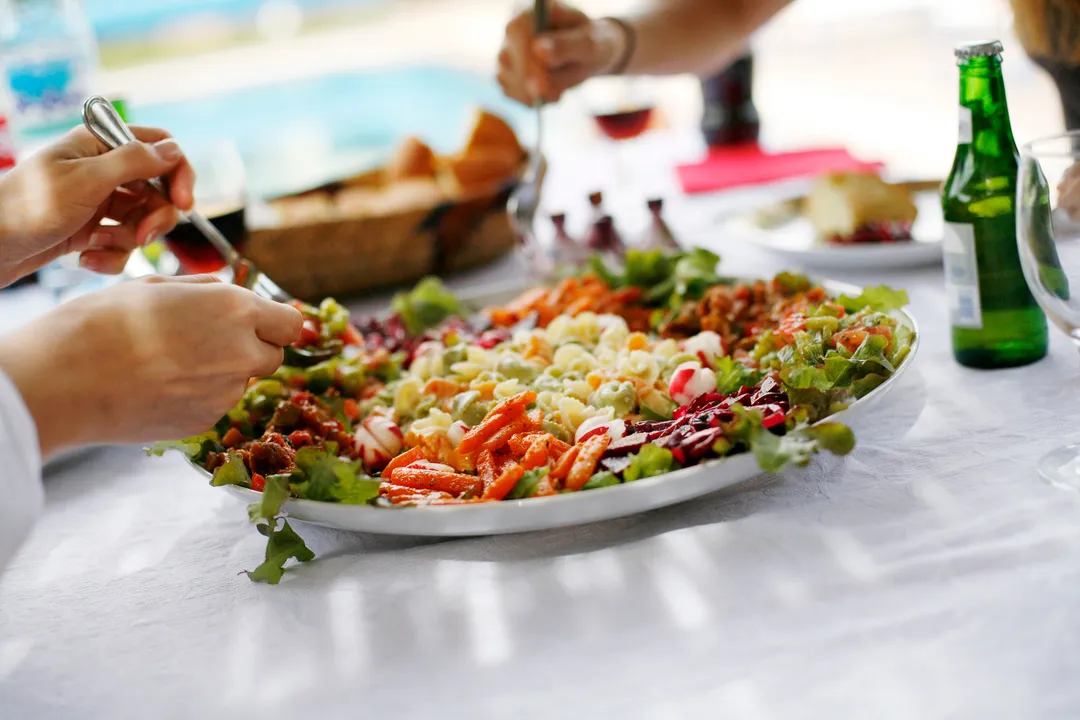
When trying to navigate plant-based eating, the terms "vegan" and "vegetarian" often come up, and while they both center on reducing or eliminating animal products from the diet, the line between them is very distinct. Fundamentally, the main divergence is that a vegetarian diet excludes meat, poultry, and fish, whereas a vegan diet excludes all products derived from animals, which includes dairy, eggs, and often honey. [1][2][6] This difference is significant, extending far beyond the plate into lifestyle choices regarding clothing and consumables. [2][4]
# Vegetarian Types
Vegetarianism is an umbrella term encompassing several sub-categories, defined by which animal-derived foods an individual chooses to include or exclude. [5][6] The most common form globally is often referred to as lacto-ovo vegetarianism. [1][4]
# Lacto-Ovo
A lacto-ovo vegetarian does not eat meat, poultry, or the flesh of any animal, but they typically include both dairy products (lacto) and eggs (ovo) in their diet. [1][2][4] This allows for a wider range of traditional food preparation and may make obtaining certain nutrients, like Vitamin , simpler than in a fully vegan diet. [1][7]
# Variations on the Theme
Beyond the primary lacto-ovo group, other common vegetarian classifications exist:
- Lacto-vegetarians: Exclude meat, poultry, fish, and eggs, but consume dairy products. [1][2]
- Ovo-vegetarians: Exclude meat, poultry, fish, and dairy, but consume eggs. [1][2]
- Pescatarians: While not always classified strictly as vegetarian by everyone, pescatarians avoid meat and poultry but do consume fish and seafood, along with dairy and eggs. [1][6] Some sources categorize this as a semi-vegetarian diet. [6]
It is worth noting that many individuals who follow a plant-forward diet may align more closely with flexitarianism, focusing on reducing meat consumption without strictly adhering to the above categories. [6] However, when comparing vegetarianism to veganism, the focus remains on the exclusion of flesh versus the exclusion of all animal inputs. [2]
# Strict Exclusion

Veganism represents the most restrictive of the plant-based dietary patterns because it excludes everything that comes from an animal, not just the flesh. [2][4] This exclusion covers eggs, milk, cheese, butter, and honey. [1][4]
# Dietary Boundaries
A strict vegan diet centers entirely on foods derived from plants: vegetables, fruits, grains, nuts, seeds, and legumes. [5] The commitment goes deeper than simply avoiding meat; it’s about abstaining from any product that required an animal for its production. [2] For example, gelatin, often derived from animal collagen, is avoided. [1] The reasons for adopting veganism are frequently rooted in ethical concerns about animal welfare and exploitation, which extends to commercial farming practices. [7]
# Beyond the Plate
The distinction between vegan and vegetarian often becomes clearest when examining lifestyle choices outside of the kitchen. [2][4] For many vegans, the philosophy is one of non-violence toward animals, meaning they also avoid:
- Clothing: Leather, wool, silk, and down. [2][4]
- Personal Care Products: Items tested on animals or containing animal ingredients like beeswax or lanolin. [2][4]
- Entertainment: Activities involving captive or exploited animals, such as circuses or certain zoos. [4]
A vegetarian might wear a leather belt or use an egg-based face mask, choices that a committed vegan would generally reject based on their comprehensive ethical stance against animal use. [2][6] While vegetarians focus primarily on dietary choices regarding flesh consumption, vegans apply this principle to their overall consumption habits. [6] This divergence in scope—dietary restriction versus total animal product avoidance—is the essential difference.

# Core Differences at a Glance
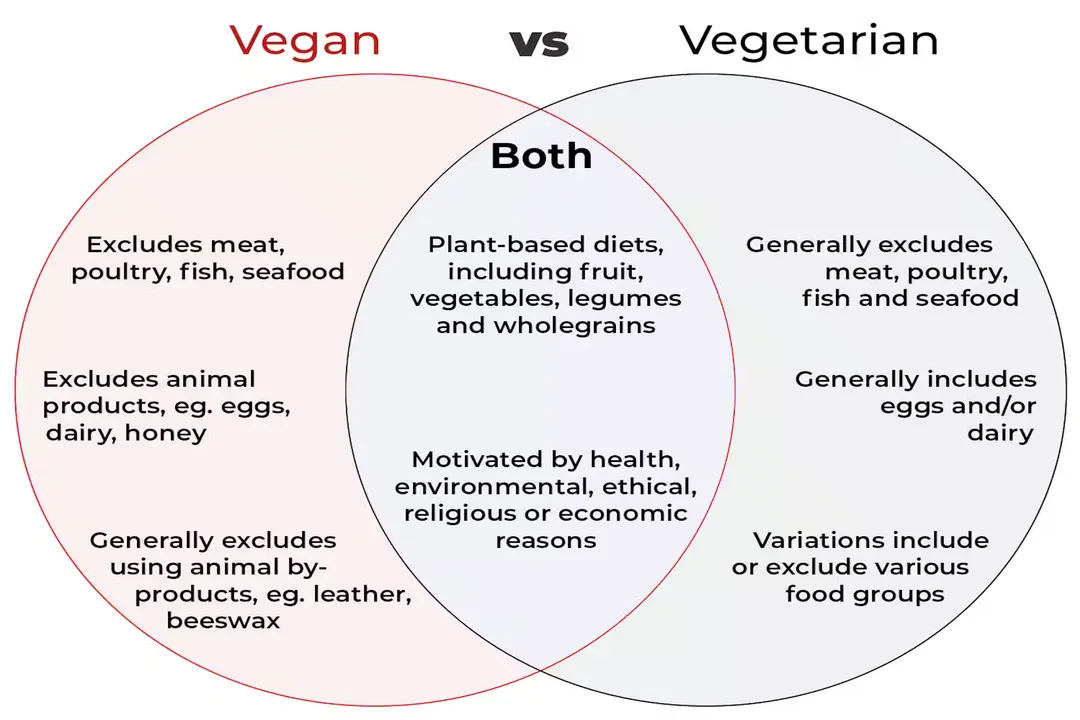
To clarify the comparison, it helps to see the primary exclusions side-by-side. The difference isn't just about what is eaten, but the source of the food item. [6]
| Product Category | Lacto-Ovo Vegetarian | Vegan |
|---|---|---|
| Meat, Poultry, Fish | No | No |
| Dairy (Milk, Cheese, Butter) | Yes | No |
| Eggs | Yes | No |
| Honey | Usually Yes | No (Often excluded due to ethical concerns over beekeeping practices) [1] |
| Leather, Wool, Silk | Permitted | No |
| Gelatin | No (usually avoided) | No |
This table illustrates how a vegetarian, even one following the most common lacto-ovo pattern, still consumes two major categories of animal input (dairy and eggs) that are entirely off-limits to vegans. [1][2] Interestingly, while most lacto-ovo vegetarians eat honey, many ethical vegans avoid it because commercial beekeeping is seen by some as exploitative of bees. [1]
# Health Focus and Nutritional Planning
Both dietary approaches, when well-planned, can provide significant health benefits, including lower risks for heart disease, type 2 diabetes, and certain cancers. [3][5] Plant-based diets are naturally lower in saturated fat and cholesterol and higher in fiber, vitamins, and minerals. [3][5] However, the exclusion of entire food groups necessitates careful attention to specific nutrients.
# Addressing Key Nutrients
For lacto-ovo vegetarians, obtaining nutrients like Vitamin , which is naturally found almost exclusively in animal products, is often manageable through the inclusion of dairy and eggs. [1][7] Calcium intake can be managed with dairy, and iron absorption is aided by consuming Vitamin -rich foods alongside iron sources. [7]
For vegans, the challenge is amplified because they lack the easy sources available to vegetarians. [1][7] Vitamin supplementation or consumption of fortified foods (like certain plant milks or nutritional yeast) becomes essential for preventing neurological damage and deficiency. [1][7] Similarly, vegans must proactively seek plant-based sources for calcium (e.g., fortified juices, tofu set with calcium sulfate, dark leafy greens) and Vitamin D (sunlight or fortified foods/supplements). [1][7] Omega-3 fatty acids (EPA and DHA) also require attention, often necessitating flaxseeds, walnuts, or algae-based supplements. [7]
A key difference in nutritional management lies in iron and Vitamin intake. While vegetarians often get Vitamin from eggs and calcium from dairy, vegans must rely solely on fortified sources or sunlight for both, making fortification a much more central component of the vegan diet than the vegetarian one. [1][7]
# Ethics and Environmental Concerns
The motivations behind adopting these diets frequently overlap but can differ in intensity or scope. [6]
# Environmental Impact
Both vegetarian and vegan diets generally result in a lower carbon footprint compared to omnivorous diets because raising livestock, particularly beef, is resource-intensive. [5] However, veganism, by eliminating the dairy and egg industries entirely, pushes further in reducing the demand for land use, water consumption, and greenhouse gas emissions associated with those specific sectors. [5]
# Personal Ethical Lines
For many, the decision is primarily ethical. A vegetarian may feel comfortable consuming eggs from small local farms where chickens are treated humanely, viewing this as an acceptable compromise on animal welfare. [6] They may draw a hard line at eating flesh but find dairy or eggs acceptable if the source is perceived as less harmful.
Vegans, conversely, tend to view any commodification of an animal as unethical. They maintain that the dairy and egg industries, regardless of scale, rely on systems that involve the eventual slaughter of the animals (e.g., male calves in the dairy industry or male chicks in the egg industry). [6] This is where an individual's philosophical boundary is drawn: for the vegetarian, the boundary is the killing of the animal for food; for the vegan, the boundary is the use of the animal for any product. [2]
# Understanding Motivation Spectrum
When discussing these diets, it's helpful to recognize that the commitment level exists on a spectrum, even within the terms themselves. [6] A person might adopt a vegetarian diet purely for heart health reasons (a dietary choice), perhaps only cutting out red meat initially. Another vegetarian might strictly avoid gelatin, fish, and poultry for strong ethical reasons but continue to drink milk (a lifestyle choice with dietary parameters).
The vegan path, by definition, is more absolute regarding animal products. If a person is motivated primarily by environmental sustainability, the vegan approach addresses the production chain of all animal products, offering a potentially larger reduction in their environmental impact compared to a lacto-ovo diet, which still supports the dairy sector. [5]
# Moving Forward with Plant-Based Eating
Whether one leans toward vegetarianism or veganism, the decision involves navigating food literacy and ingredient labels. [4] For newcomers, especially those considering the transition from an omnivorous diet, starting with simple swaps is often recommended. [4] For example, substituting meat with beans or lentils is an easy first step for vegetarians.
For those considering the stricter vegan path, learning to read labels for hidden animal products like whey (a milk derivative), casein, or shellac (a resin sometimes used in candies or glazes) is a crucial skill that vegetarians often do not need to master to the same degree. [1] This deeper dive into ingredient awareness is part of what distinguishes the practical daily life of a vegan from that of a vegetarian. [2] Transitioning healthily, regardless of the endpoint, requires a conscious effort to replace the nutrients lost from excluded food groups, ensuring the diet remains balanced and supportive of long-term health goals. [7]
Related Questions
#Citations
Vegan vs Vegetarian: Key Differences & Which Is Healthier
Vegan vs Vegetarian - What's The Difference? - Healthline
Plant-Based Diet or Vegetarian Diet – What is the Difference?
Vegetarian and vegan eating | Better Health Channel
Plant-based, Vegetarian & Vegan Diets - Heart Foundation NZ
What's the difference between vegan and vegetarian?
Vegetarian and vegan diets: benefits and drawbacks - PMC
Vegetarian vs. Vegan Diet: Differences, Benefits, Risks - Health