Is trout low in cholesterol?
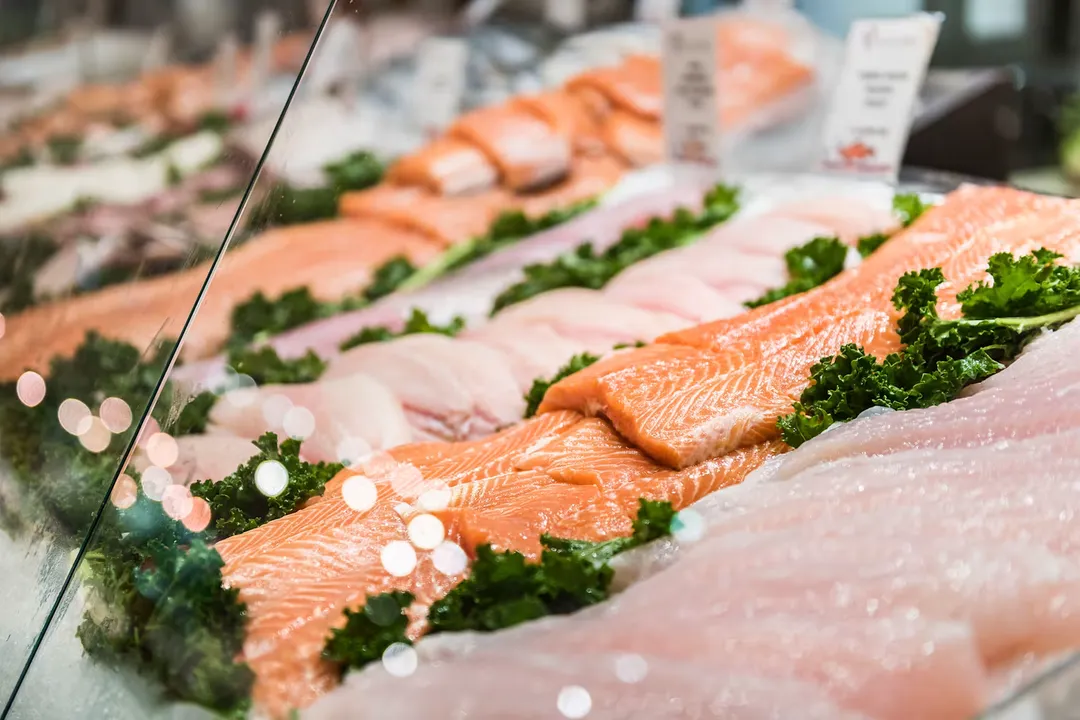
Trout generally occupies a favorable spot on the menu for those mindful of their cholesterol levels, but the direct answer isn't a simple yes or no; it depends on the specific type of trout and, more importantly, how it is prepared. The wider consensus among dietary guidelines is that fish, in general, is a heart-healthy protein that people managing high cholesterol should aim to include in their diet regularly, typically recommending at least two servings per week.
# Cholesterol Context

To properly assess fish like trout, it helps to remember what cholesterol is in the context of diet. Cholesterol is a necessary, waxy substance your body, primarily your liver, manufactures for vital functions like building healthy cells and making hormones and vitamins. Problems arise when there is too much of the low-density lipoprotein (LDL), often termed "bad" cholesterol, which can build up in artery walls and form plaques, raising the risk of heart attack and stroke. Conversely, high-density lipoprotein (HDL), or "good" cholesterol, helps carry excess cholesterol back to the liver for processing and removal.
When looking at dietary intake, current evidence suggests that for most healthy individuals, dietary cholesterol itself does not have as significant an impact on blood cholesterol as the amount of saturated and trans fats consumed. Saturated and trans fats prompt the body to produce more LDL cholesterol. This is why the American Heart Association (AHA) promotes a whole-foods diet emphasizing fish and poultry while limiting red meat and full-fat dairy—the latter groups are generally higher in those problematic fats.
# Trout's Nutritional Profile
Trout, as a category of fish, is generally viewed as a good choice for heart health due to its low saturated fat content. When comparing specific nutritional data, farmed rainbow trout provides a compelling profile. According to one comparison, a 100-gram serving of cooked farmed rainbow trout contains 168 calories and about 70 mg of cholesterol. In contrast, Atlantic salmon, a fish often grouped with trout, has slightly less cholesterol in the same weight—around 63 mg—but is significantly higher in total fats.
Looking closer at the fat composition in a 100g serving of cooked fish:
- Trout has about 1.65 grams of saturated fat.
- Salmon has about 2.4 grams of saturated fat.
This data shows that trout is lower in the saturated fat that directly influences LDL production compared to salmon, which supports its status as a heart-healthy option.
Rainbow trout, specifically, is noted for being low in saturated fat and cholesterol, while being rich in other beneficial elements like phosphorus, selenium, Vitamin B12, and Vitamin D. It is also slightly higher in monounsaturated fat, which health professionals suggest may help in reducing "bad" cholesterol and lowering the risk of heart disease and stroke.
It’s important to note a specific comparison shows that while trout is lower in saturated fat than salmon, trout is higher in cholesterol than salmon on a per-100g basis (70 mg vs. 63 mg). However, experts suggest that the overall low saturated fat content of fish means even those with higher cholesterol counts, like trout, are still recommended as part of a heart-healthy pattern. For context, shrimp, often flagged for its high cholesterol, has about 161 mg per 3.5 oz serving, but because it is low in saturated fat, its consumption may not negatively impact blood cholesterol levels significantly. Trout's 70 mg of cholesterol falls well below this level and is generally considered acceptable.

# Omega-3s The Key Benefit
Whether trout is "low in cholesterol" is secondary to the significant benefits derived from its omega-3 fatty acids. Fatty fish like trout are packed with these essential fats, particularly EPA (eicosapentaenoic acid) and DHA (docosahexaenoic acid). Your body cannot produce these fats, so they must come from diet.
The power of omega-3s lies in their anti-inflammatory properties and their positive impact on lipid profiles. They are linked to:
- Lowering triglycerides in the blood.
- Potentially lowering blood pressure.
- Reducing the risk of cardiovascular disease.
- Potentially slowing the growth of arterial plaques.
While omega-3s do not directly alter LDL cholesterol levels, they increase HDL ("good" cholesterol) and improve overall cardiovascular protection, making fish like trout a valuable asset in cholesterol management. Rainbow trout specifically is highlighted for providing over 900 mg of Omega-3 fatty acids (including EPA and DHA) in a cooked 3-ounce serving.
# Farmed Versus Wild
When considering trout, particularly rainbow trout, the source matters for nutritional consistency and potential contaminant concerns. Wild trout can sometimes carry higher levels of contaminants like mercury or PCBs, depending on its environment. For this reason, some experts suggest farmed rainbow trout is preferable, as it is often raised in controlled environments adhering to strict standards.
Responsibly farmed rainbow trout, especially those raised in recirculating aquaculture systems (RAS), can offer reliable nutritional benefits without the variable exposure to environmental toxins that wild-caught fish might carry. This consistency in nutrient delivery, particularly the omega-3 content, makes farmed options a dependable way to meet the recommended intake.
# Preparation dictates outcome
It’s crucial to understand that even the healthiest fish can become a less desirable choice if cooked improperly. The method you use to prepare your trout dictates how much unhealthy fat ends up on your plate, potentially negating the benefits of the fish itself.
Deep frying fish, for instance, wraps it in batter and oil, adding unhealthy fats that counteract the positive effects of the omega-3s. If you are choosing trout to support heart health, the best cooking approaches focus on minimizing added saturated fat:
- Baking or Roasting: Simple oven baking with herbs, lemon, or a small amount of olive oil is excellent.
- Grilling or Broiling: These dry-heat methods are highly recommended to keep saturated fat low.
- Poaching: Cooking the fillet in stock or liquid preserves moisture without adding fat.
For example, a recipe utilizing steelhead trout fillets suggests preheating the oven to 450°F and baking for 15-20 minutes with just honey and seasoning. Similarly, rainbow trout can be baked in parchment (en papillote) with aromatic vegetables. Using healthy fats like olive oil sparingly for searing or dressing is superior to using solid fats like butter.
# Actionable Choices for Heart Health
If your goal is to incorporate trout for its favorable cholesterol-management properties, focus on consistency and substitution. The AHA recommendation is to eat at least two servings of fish per week. Aiming for this frequency ensures you receive adequate omega-3s.
Here is a simple way to frame your weekly fish intake:
| Meal Slot | Protein Source | Goal Achieved |
|---|---|---|
| Dinner 1 (Week) | Trout or Salmon (Grilled/Baked) | Omega-3 boost, low saturated fat replacement for red meat. |
| Dinner 2 (Week) | Trout or another recommended fish (Poached/Broiled) | Meets AHA recommendation, supports positive lipid profile changes. |
Substituting fish for higher saturated fat proteins, such as swapping a weekly burger for a trout fillet, is a tangible step toward lowering your overall saturated fat intake, which is the primary dietary lever for reducing LDL. It is less about counting the milligrams of cholesterol in the trout and more about the overall shift away from fats that trigger high LDL production in the liver. By prioritizing trout for its lower saturated fat content compared to richer fish like salmon, you maximize heart benefits while keeping cholesterol contribution minimal within the recommended dietary allowance.
When planning your meals, remember that the health impact extends beyond just the fish. If you serve your trout with a side of roasted Brussels sprouts (high in soluble fiber) and an apple for dessert, you introduce soluble fiber, which actively binds to cholesterol in the intestine, preventing some of it from being absorbed into your bloodstream. This combination of low saturated fat (from the trout) and high soluble fiber creates a powerful synergistic effect for managing your numbers. This layering of benefits—low saturated fat protein coupled with high-fiber sides—is often the most effective dietary tactic, far surpassing the rigid avoidance of moderate-cholesterol foods like trout.
Related Questions
#Citations
Fish To Eat and Avoid with High Cholesterol - Health Central
Top 10 Foods to Lower Cholesterol | Brown University Health
Which fish to eat when watching cholesterol - Medical News Today
Rainbow Trout: Good for Your Body & Your Brain - Dr. Myra Reed
Cholesterol: Top foods to improve your numbers - Mayo Clinic
High Cholesterol Fish To Avoid - HealthMatch
Steelhead Trout: A Delicious and Nutritious Sustainable Choice
Trout vs. Salmon - What's the Difference?
The New Low-Cholesterol Diet: Fatty Fish - WebMD
Can rainbow trout help lower cholesterol levels? - LOHI