What is Indonesian basil?
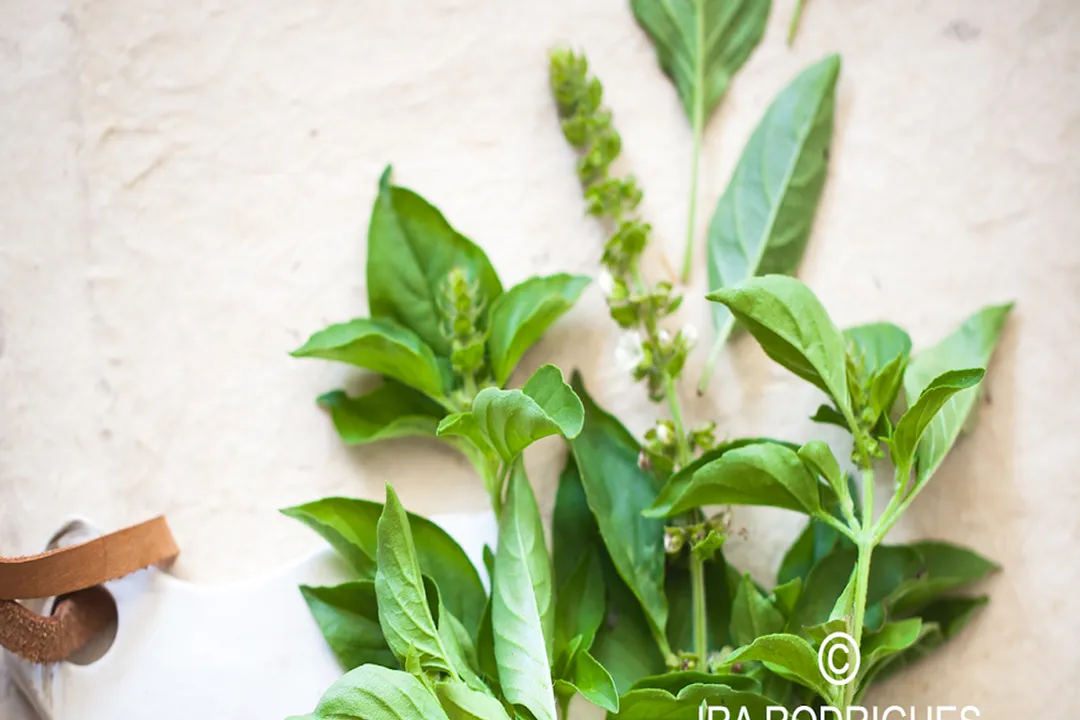
The fragrant herb commonly associated with Indonesian cooking, often simply referred to as Indonesian basil, is a fascinating variation within the Ocimum family, standing apart from the sweet basil more familiar in Italian traditions. This particular basil variety is widely known across the archipelago by its local name, Kemangi. While it shares the genus with other popular basils, Kemangi distinguishes itself through a pronounced, bright citrus note that flavors everything from salads to grilled fish, making it indispensable to the regional palate. Understanding Kemangi means looking past a simple substitute for sweet basil and recognizing it as a specific cultivar with its own culinary history and botanical makeup.
# Botanical Name
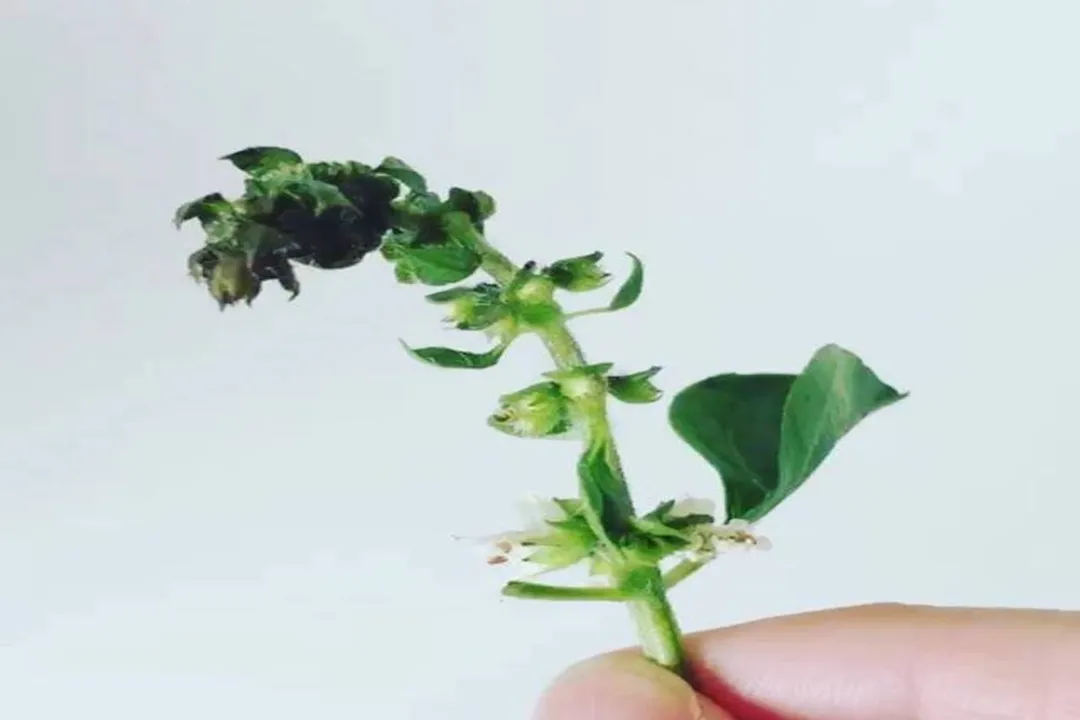
Scientifically, what many call Indonesian basil or Kemangi is frequently identified as Lemon Basil, which botanists classify as Ocimum × africanum or sometimes Ocimum citriodorum. This classification highlights its hybrid nature, often resulting from a cross between sweet basil (Ocimum basilicum) and African basil (Ocimum americanum). While the term "Indonesian basil" works as a geographic descriptor, Lemon Basil captures its defining characteristic—the strong lemon scent and flavor. In seed catalogs, you might see it listed under one of these scientific names, or simply as a variety of African basil. The specific genetics often determine the intensity of the lemon character; some specimens lean more toward clove notes while others are intensely citrusy.
# Distinctive Taste
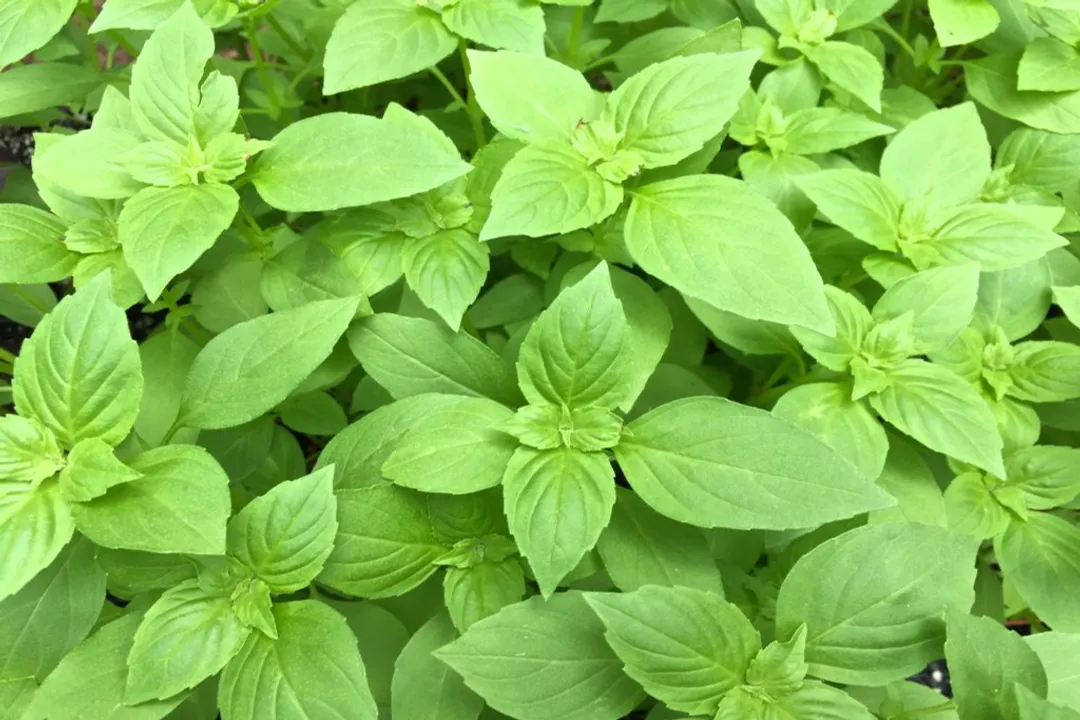
The primary draw of Kemangi is undeniably its flavor profile, which separates it clearly from the anise or clove notes sometimes found in Thai basil or the pure sweetness of Genovese basil. The aroma is immediately evocative of fresh lemon zest, a clean and sharp scent that mellows slightly when heated but remains distinctly bright. When eaten raw, which is a very common preparation method in Indonesia, the sensation is invigorating, cutting through the richness of coconut milk or the heat of chili pastes.
This flavor difference stems from the essential oil composition. While sweet basil is rich in linalool and estragole, Lemon Basil boasts a higher concentration of the compound citral, the same volatile organic compound that gives lemons their characteristic smell. This makes Kemangi a superb choice when a recipe calls for a hint of acidity and herbaceousness without actually adding liquid lemon juice. Considering the typical use of fresh herbs in Southeast Asian cooking, this intrinsic citrus quality offers an efficiency that other basils lack. A good rule of thumb for cooks experimenting with it is to treat it as a dual-purpose ingredient: part herb, part citrus element.
# Culinary Presence
In Indonesian cuisine, Kemangi is treated with a reverence that sometimes contrasts with how other basil types are handled globally. It is a cornerstone of lalapan, the traditional Indonesian assortment of raw or lightly steamed vegetables served as an accompaniment to sambal and main courses like grilled chicken (ayam bakar) or fried fish. Eating the leaves fresh, often whole or lightly torn, allows the full impact of the lemon fragrance to hit the palate, cleansing it between bites of intensely flavored food.
While it shines raw, Kemangi is also integrated into cooked preparations, though often added near the end of the cooking process to preserve its volatile oils. It features in certain stir-fries or mixed into curries, lending its sharp fragrance to the finished dish. Furthermore, if you encounter the flowering stalks, these are also usable; in some Indonesian contexts, the buds and flowers are enjoyed for their milder, sweet flavor profile.
One interesting observation from examining regional cooking styles is the near-invariability of Kemangi’s raw presentation. Unlike European herbs where fresh parsley or basil might be chopped fine and mixed into a sauce base, Kemangi is often presented as whole sprigs or large leaves meant to be picked up with the fingers alongside the main dish. This implies a textural contribution as well as a flavor one—the slightly crisp, yielding leaf holds up well against rich, oily foods. If you are substituting Kemangi into a Western recipe, such as a pesto, understand that the resulting sauce will taste far tangier and less sweet than one made with Genovese basil, potentially requiring a reduction in added lemon juice or acid.
Here is a simple comparison of how these basils are often traditionally employed, though modern cooking invites deviation:
| Basil Type | Primary Flavor Note | Common Preparation Style | Best Suited For |
|---|---|---|---|
| Kemangi (Lemon Basil) | Strong Lemon/Citrus | Raw (Lalapan), quick stir-fries | Grilled meats, sambal accompaniments |
| Sweet Basil (Genovese) | Sweet, Anise, Mild Clove | Cooked into sauces, pureed raw | Tomato sauces, pesto |
| Thai Basil | Strong Anise/Licorice | Added late to soups or curries | Pho, green curry |
# Growth and Care
Like most members of the basil family, Kemangi prefers warm conditions and plenty of sunshine to thrive, making it an excellent candidate for home gardening in temperate to tropical climates. It grows fairly quickly, which is necessary given how frequently it is harvested in Southeast Asia. Starting from seed is the most common propagation method for gardeners.
To maintain a steady supply of high-quality leaves, gardeners should focus on regular harvesting—pinching off the top sets of leaves frequently encourages bushier growth rather than leggy stems reaching for light. When the plant begins to send up a central flower stalk, it signals the end of its most vigorous leaf production period. While the flowers themselves can be used, cutting the stalk encourages the plant to divert energy back into producing more flavorful leaves for a longer season. For those in cooler zones, treating it as an annual is standard, ensuring it is protected from even light frost which it cannot tolerate. For a more prolonged harvest indoors during winter, consider placing a small potted plant near a sunny window and watering only when the top inch of soil is dry, mimicking its preference for well-draining conditions.
# Wellness Associations
Beyond the kitchen, basils, including the lemon-scented varieties, have long been subjects of interest in traditional medicine and modern phytochemistry. Research into Ocimum species often points toward the presence of various bioactive compounds that confer antimicrobial and antioxidant effects. While Kemangi is not typically regarded as a primary medicinal herb, its high consumption in the Indonesian diet suggests an integrated role in daily wellness, supported by the natural properties inherent in the plant’s oils. These compounds contribute to both the aroma and the perceived health benefits, though it is important to remember it is a culinary herb first and foremost.
When thinking about maximizing the benefit of these volatile oils, avoid aggressive chopping when preparing raw servings; instead, gently tear the leaves. A fine mince maximizes surface area for oxidation, causing the delicate lemon notes to dissipate quickly, whereas tearing releases the aroma more slowly as you eat. This subtle physical preparation enhances the experience of the fresh herb.
# Sourcing and Selection
For those outside of areas where Kemangi grows readily, finding the authentic herb can sometimes be a challenge, often leading to substitutions with other scented basils. When shopping, look specifically for labels indicating Lemon Basil or, if at an Asian market, seek out the Indonesian or Malaysian name, Kemangi. The visual identification is usually straightforward: the leaves tend to be slightly narrower and sometimes lighter green than standard sweet basil, and the stem might have a purplish tint depending on the specific cultivar.
If purchasing seeds, verify the botanical name to ensure you are getting the desired lemon profile rather than another scented variety like lime basil or lemon balm (which is a different genus entirely). A genuine packet of seeds, perhaps sourced from growers specializing in heirloom or ethnic varieties, will confirm the expected flavor. The intensity of the aroma upon crushing a fresh leaf is the best indicator of quality before you even plant or cook with it.
Related Questions
#Citations
Lemon basil - Wikipedia
Lemon BasiL, Kemangi - Cooking Tackle
Lemon Basil - Seeds of India
What is the difference between basil and lemon basil? - Facebook
Potential use of Indonesian basil (Ocimum basilicum) maceration to ...
Herb - Basil - Lemon - St. Clare Heirloom Seeds
Daun Kemangi – Indonesia's Fragrant Basil A tiny leaf with a big ...