Is proofing the same as rising?
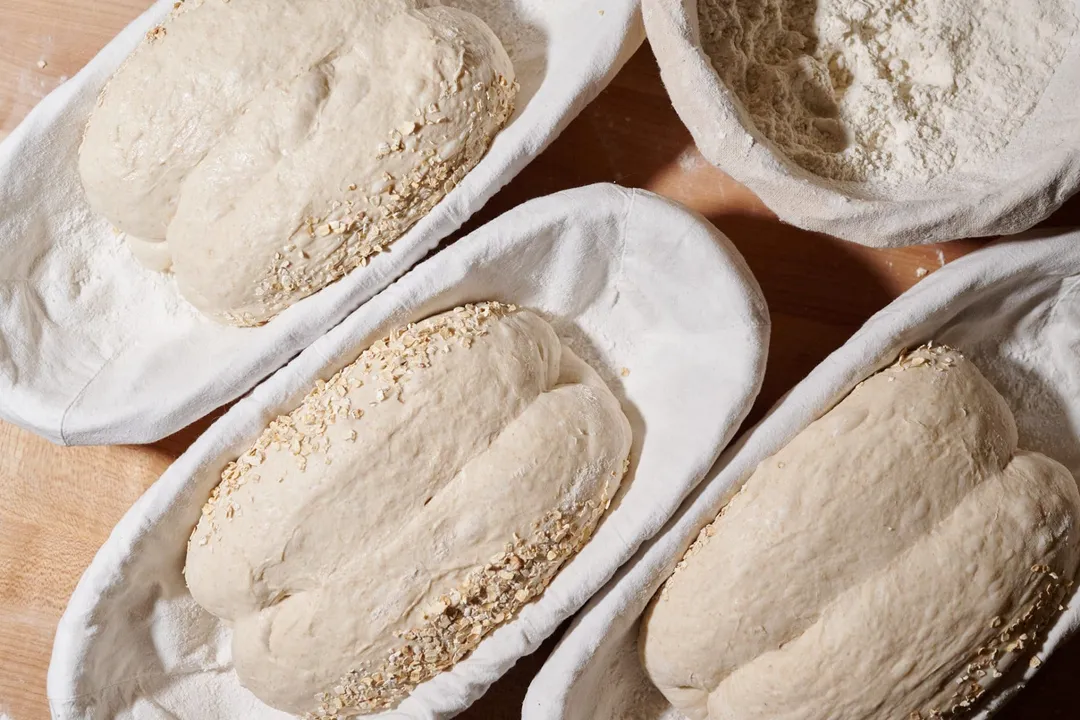
The distinction between dough rising and proofing is often blurred in home baking conversations, leading many to use the terms as perfect synonyms. While both describe the necessary expansion of dough due to yeast activity, the culinary world, particularly for those working with sourdough or artisan bread, often assigns slightly different meanings based on when in the process the action occurs. Essentially, rising is the general phenomenon, while proofing is a specific, defined stage of that rise. Think of it this way: all proofing is a form of rising, but not all rising is specifically called proofing.
# General Expansion
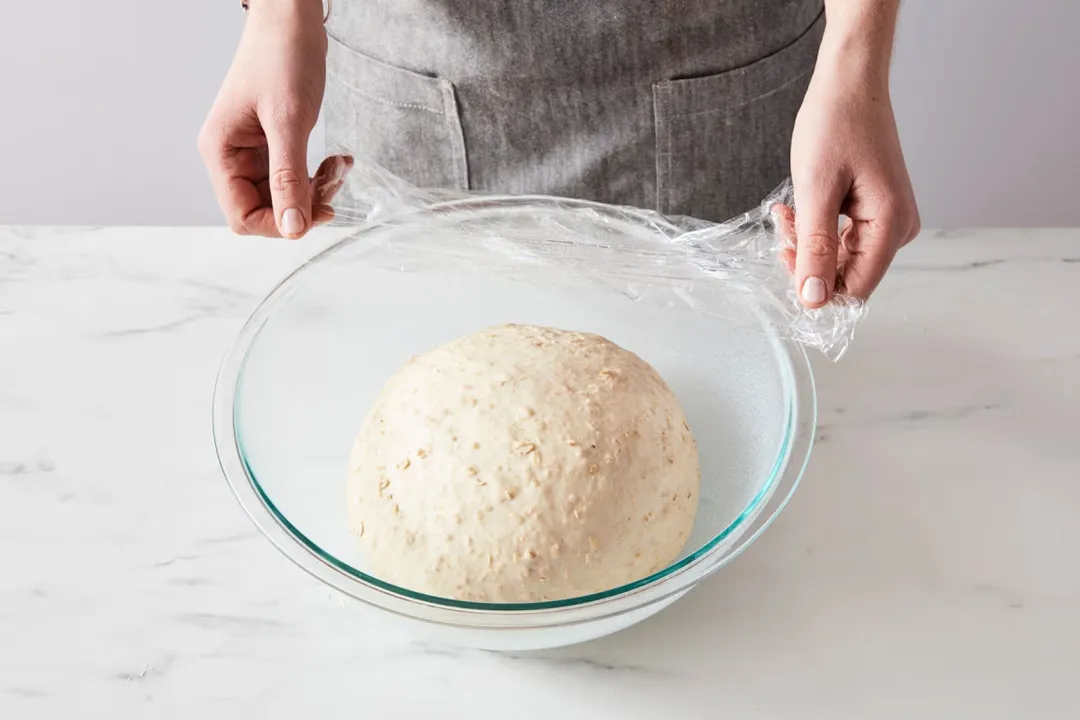
The overarching term for the process where dough increases in volume because the yeast consumes sugars and releases carbon dioxide gas is rising. This gas gets trapped within the gluten network that you developed during mixing and kneading, causing the dough mass to inflate. If you are simply talking about the dough getting bigger, you are talking about it rising. This general term applies to the entire fermentation cycle, from the moment yeast is introduced until the dough hits the oven.
# Defined Stages
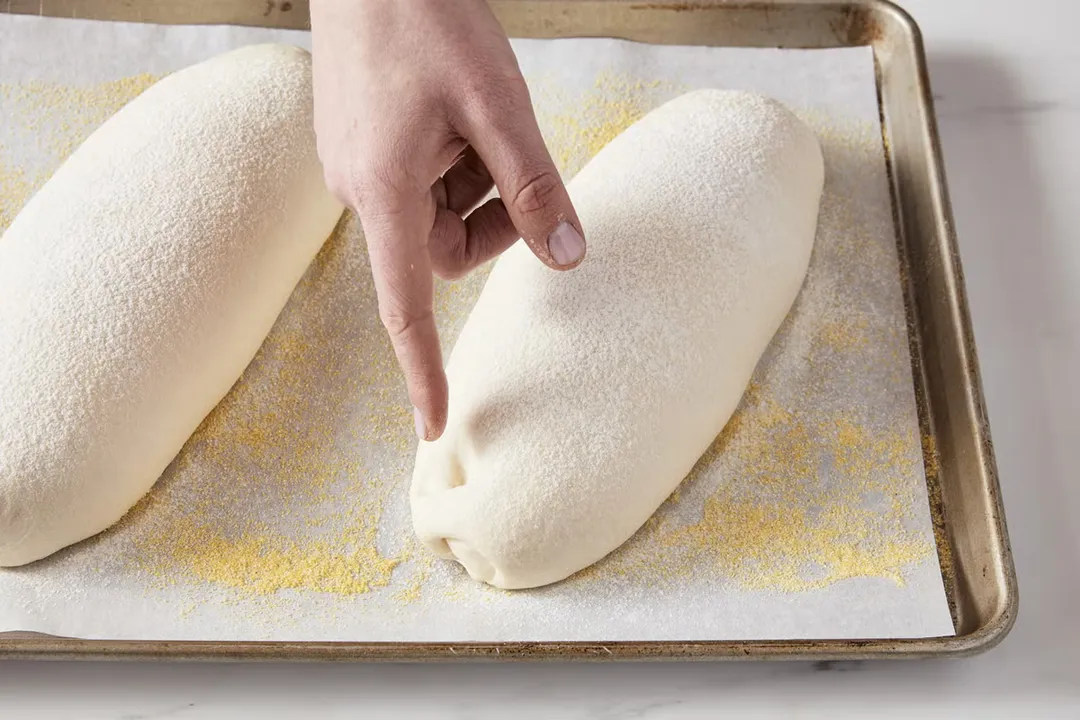
In technical baking contexts, the process is usually broken down into at least two distinct, critical phases, both of which involve rising, but only one of which is universally termed the final proof.
# Bulk Fermentation
The first major period of rise is typically referred to as bulk fermentation. This happens right after the initial mixing and kneading, before the dough has been shaped into its final loaf or roll form. During this stage, the dough is usually left in a single mass, often in a container, and the baker usually performs a few stretch-and-fold or coil fold maneuvers to build structure. The goal here is twofold: to allow significant gas production for initial volume and to develop complex flavors. The dough is generally not considered proofed yet, though some literature uses "proofing" loosely to cover this stage as well.
# Final Proof
The term proofing (or final proof) is most accurately reserved for the second rise—the period after the dough has been shaped but before it is baked. This is the last chance for the dough to relax, inflate to its final volume, and establish the necessary internal structure for a good oven spring. It is this final rise that determines the texture of the crumb and the ultimate look of the baked loaf.
To better visualize this separation, consider this breakdown of the common sequence in yeast-leavened baking:
| Stage Name | Typical Timing | Primary Goal | State of Dough |
|---|---|---|---|
| Bulk Fermentation | After mixing/kneading, before shaping | Flavor development and initial volume build-up | Unshaped mass |
| Shaping | Transition between the two rises | Creating tension and final form | Transition |
| Final Proofing | After shaping, before baking | Achieving final volume and setting structure | Shaped loaf or roll |
This differentiation is less about the physical process (gas production) and more about the baker's intent and the dough's state. For instance, when testing a pre-ferment like a levain or a poolish, you are often said to be proofing that starter, which is technically a rise, but it happens long before the main dough is even mixed.
# Purpose Beyond Volume
While the most obvious goal of either process is to get the dough to expand, the underlying chemical and biological activity during proofing is what truly dictates the quality of the final bread. It is less about the amount of rise and more about the quality of the fermentation occurring within that rise.
During proofing, the yeast continues to produce and alcohol, but perhaps more importantly for flavor, the bacteria in the dough (especially in sourdough) continue to produce organic acids. These acids contribute the characteristic tang and complexity of flavor that sets artisan breads apart from quickly made commercial loaves. If the bulk fermentation is too short, the flavor profile will be underdeveloped, regardless of how perfectly the final proof is executed.
The gluten structure is also finalized during proofing. The gas created needs to inflate the existing network, and if the dough is too tight (under-proofed), it won't expand well, resulting in a dense product. If the network weakens too much (over-proofed), it cannot hold the gas, leading to a flat or collapsed loaf. Knowing when to stop proofing means catching the dough at its peak structural integrity.
It’s interesting to observe how different flour types interact with this gaseous expansion. For example, whole grain flours contain more bran and germ, which act like tiny razor blades that can physically cut the gluten strands during the rising process. This means a high-percentage whole wheat dough often requires a slightly shorter proofing time, or needs to be managed at cooler temperatures, compared to an all-white-flour dough of the same hydration, simply because its structure is inherently less able to withstand prolonged gas pressure. Understanding the source of the gas production allows bakers to better manage the rate of proofing.
# Reading Dough Signals
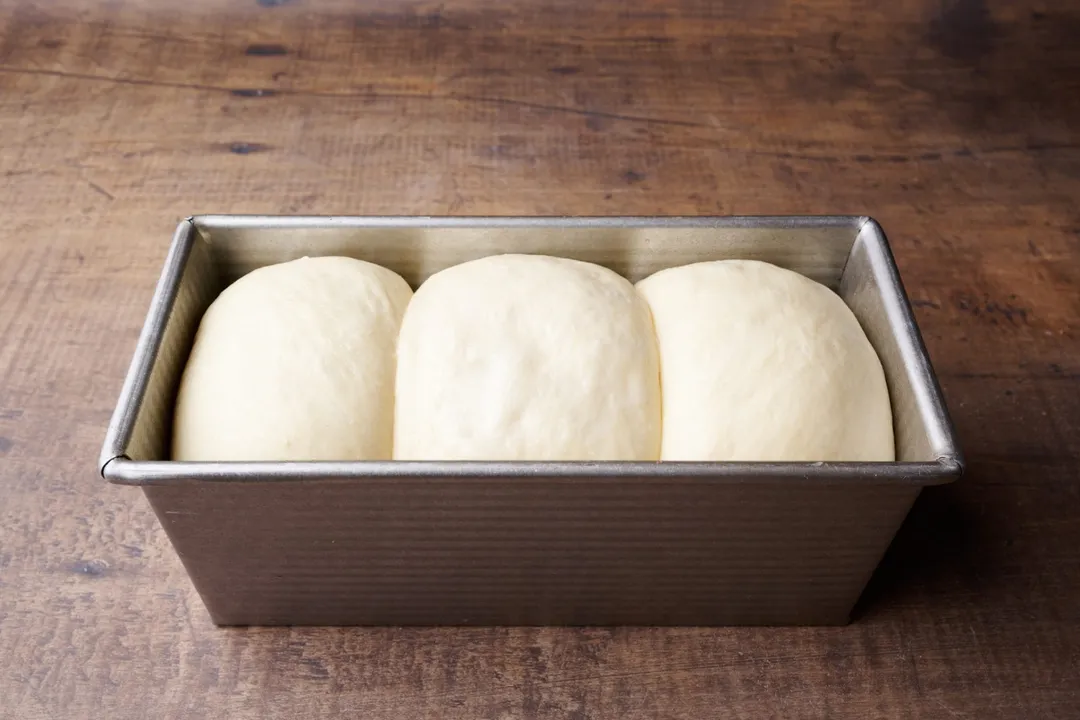
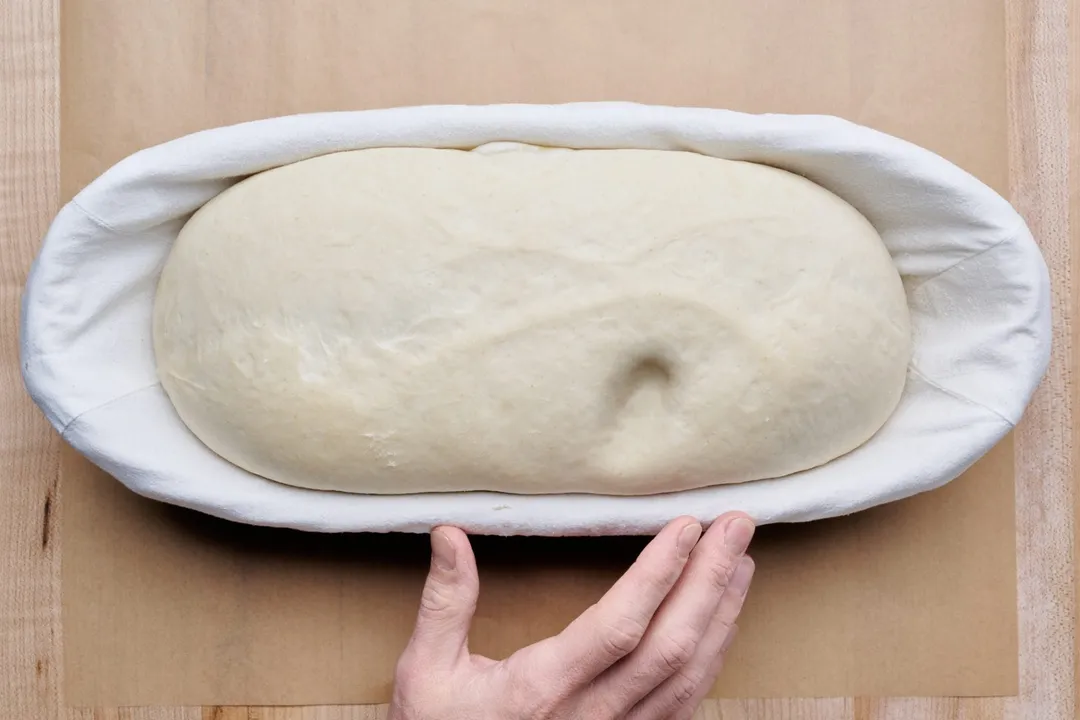
The most challenging aspect of proofing is knowing when to stop—the point where the dough is perfectly inflated but not yet collapsing. Bakers have developed several methods to gauge this, often summarized by the "poke test". The difference between rising (the general event) and proofing (the stage needing judgment) becomes most critical here.
When checking for the final proof, bakers look for specific tactile and visual clues:
- The Look: The dough should appear noticeably puffed up, often increasing in size by anywhere from 50% to 100% depending on the recipe and desired crumb. It should look aerated and somewhat delicate, rather than dense.
- The Feel: Gently touch the side of the dough with a lightly floured finger.
- Under-proofed: If the indentation springs back immediately and completely, the yeast is still very active and has a lot of structure left; it needs more time.
- Perfectly Proofed: If the indentation slowly springs back, leaving a slight, shallow dent, the balance is just right. This dough is ready to be baked for maximum oven spring.
- Over-proofed: If the indentation remains completely or sinks slowly without springing back at all, the gluten structure has weakened too much. The dough may collapse upon handling or in the oven.
When conducting this test, remember that the internal temperature of the dough significantly affects the time it takes to reach the "perfectly proofed" state. A dough that finished mixing at () will proof significantly faster than one finishing at (). This is why relying solely on the clock is unreliable; the dough temperature is the most expert indicator of yeast readiness.
# Temperature Control
The environment dramatically influences the speed of rising, which directly impacts how a baker manages the proofing stage. Yeast activity is highly dependent on temperature. Warmer conditions accelerate the rate at which the yeast consumes sugars and produces gas, speeding up both the bulk fermentation and the final proof.
For example, a recipe calling for a two-hour bulk fermentation at might only take one hour if the ambient temperature is . This is why experienced bakers often keep their dough in a slightly cooler area during bulk fermentation to allow for flavor development, and then move it to a warmer spot for the final proof, precisely controlling the final volume adjustment without over-acidifying the dough. Cold proofing, where the dough is placed in the refrigerator for 12 to 24 hours after shaping, is a technique used to slow down the rising process significantly, which greatly enhances flavor development without risking over-proofing in a warm kitchen.
When considering a cold proof, the distinction between the terms almost vanishes, as the entire objective is to slow the rise to maximize flavor, essentially treating the cold period as an extremely extended, slow-motion final proof stage. The only rising occurring will be minimal, ensuring the final oven spring is robust when the dough is finally baked cold.
# Stages in Variety
The process of rising isn't always a simple two-stage affair, especially in complex doughs like sourdough or high-hydration breads, which often benefit from multiple rest/rise intervals. Some bakers advocate for breaking the bulk fermentation into smaller increments separated by short rests or folds. Each time the dough rests, the yeast continues to work, leading to more structure and flavor build-up. When a baker talks about "proofing" in the context of a single fold, they might be referring to the short rest after the fold, allowing the gluten to relax enough to stretch again easily, which is a micro-rise within the larger bulk fermentation phase. In this complex scenario, the difference between the terms dissolves into the practical reality of managing dough structure throughout the entire timeline.
Ultimately, while the scientific concept of dough expansion is simply rising, the technical term proofing anchors itself to the final, most sensitive rise before baking, demanding close attention to visual and tactile cues to ensure a successful bake. Mastering this final stage is what transforms simply risen dough into perfectly structured bread.
Related Questions
#Citations
Dough proofing vs dough rising? : r/AskBaking - Reddit
The Ultimate Guide to Proofing Bread Dough | The Perfect Loaf
Is there a Difference Between Proofing and Rising Dough?
What is proofing bread? And how do I get it right? - King Arthur Baking
What is the difference between proofing, baking, and rising? - Quora
What is the difference between resting, proofing, rising, and letting ...
Identifying Proofing Levels in Dough - Challenger Breadware
The Best Way to Check if Bread Dough is Proofed | Food Network
What is the purpose of proofing dough in several stages
Breadmaking 101: All About Proofing and Fermentation - Serious Eats